Early Signs of Tooth Decay in Poodles: What to Look For
Poodles are intelligent, active, and affectionate dogs, but like many small and toy breeds, they can be prone to dental problems. Without proper dental care, plaque can build up on the teeth, leading to tartar, gum disease, tooth damage, and eventually tooth decay in Poodles.
Recognizing the early warning signs can help you address dental problems before they become painful or require more complicated treatment. In this guide, we will explain the common causes, early symptoms, prevention methods, and when you should take your Poodle to the veterinarian.
Why Dental Health Is Important for Poodles
Your Poodle’s teeth are essential for eating, chewing, and maintaining normal oral health. Dental problems can cause more than bad breath. Untreated plaque and tartar can irritate the gums and contribute to periodontal disease.
Small Poodles may be especially vulnerable to dental problems because their teeth can be crowded into a relatively small mouth. This can make it easier for food particles and plaque to accumulate around the teeth.
Regular dental care is therefore an important part of responsible Poodle care.
What Causes Tooth Decay in Poodles?
Several factors can contribute to dental problems in Poodles.
Plaque and Tartar Buildup
Plaque is a sticky layer of bacteria that forms naturally on the teeth. If it is not regularly removed, it can harden into tartar.
Tartar can irritate the gums and create an environment where dental disease develops.
Poor Dental Hygiene
Poodles that rarely have their teeth brushed may develop plaque and tartar more quickly. Dental care should be part of your dog’s regular grooming routine.
Crowded Teeth
Small Poodles can have crowded or tightly positioned teeth. Crowding can make some areas difficult to clean and may allow plaque to accumulate between teeth.
Diet and Chewing Habits
Food particles can remain around the teeth after meals. While diet alone does not cause tooth decay, appropriate chewing and dental products can form part of an overall oral-care routine.
Early Signs of Tooth Decay in Poodles
Knowing what to look for is one of the best ways to protect your dog’s dental health.
1. Persistent Bad Breath
Bad breath is one of the most noticeable signs of a possible dental problem.
A healthy dog’s breath should not consistently have a strong, unpleasant odor. Persistent bad breath can be associated with plaque, tartar, gum inflammation, infection, or other oral problems.
If your Poodle’s breath suddenly becomes much worse or remains unpleasant despite regular care, schedule a veterinary examination.
2. Yellow or Brown Plaque on the Teeth
Look closely at your Poodle’s teeth, particularly the back teeth.
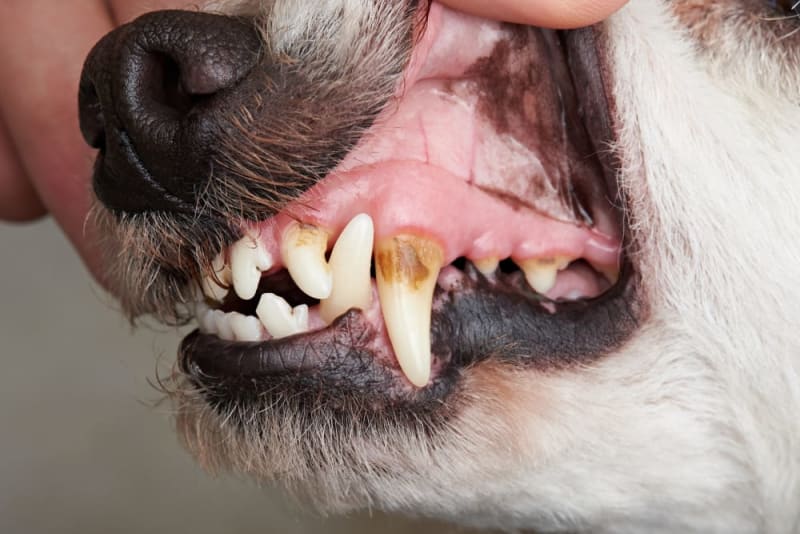
Yellow, brown, or dark deposits along the gumline may indicate plaque or tartar buildup. The longer tartar remains, the more difficult it can become to remove with routine brushing.
Regularly checking your dog’s mouth can help you notice changes early.
3. Red, Swollen, or Bleeding Gums
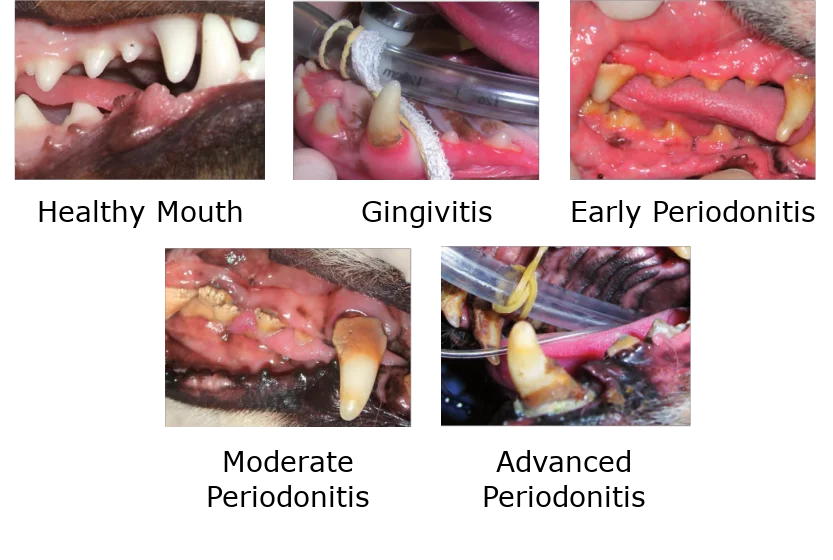
Healthy gums are generally pink and should not be significantly swollen or bleed easily.
Redness, swelling, tenderness, or bleeding around the teeth can indicate gum inflammation. These signs should not be ignored because dental disease can progress if the underlying cause is not addressed.
4. Difficulty Eating or Chewing
A Poodle with dental pain may suddenly change the way they eat.
You may notice your dog:
-
Chewing more slowly
-
Dropping food
-
Avoiding hard food
-
Chewing on one side of the mouth
-
Hesitating before eating
-
Losing interest in food
A change in eating behavior can be an important warning sign of dental discomfort.
5. Excessive Drooling
Some dogs naturally drool more than others, but a noticeable increase in drooling can indicate an oral problem.
If excessive drooling occurs together with bad breath, gum swelling, difficulty eating, or pawing at the mouth, your Poodle should be examined by a veterinarian.
6. Loose or Damaged Teeth
Adult Poodles should not normally have loose teeth.
A loose, broken, discolored, or damaged tooth may indicate significant dental disease or trauma. Do not attempt to pull the tooth yourself. A veterinarian can determine the cause and recommend appropriate treatment.
7. Pawing at the Mouth
If your Poodle repeatedly paws at their face or rubs their mouth against furniture or the floor, they may be experiencing oral discomfort.
This behavior can occur with dental pain, gum irritation, a damaged tooth, or something stuck in the mouth.
How to Check Your Poodle’s Teeth at Home
You can perform a simple visual check at home.
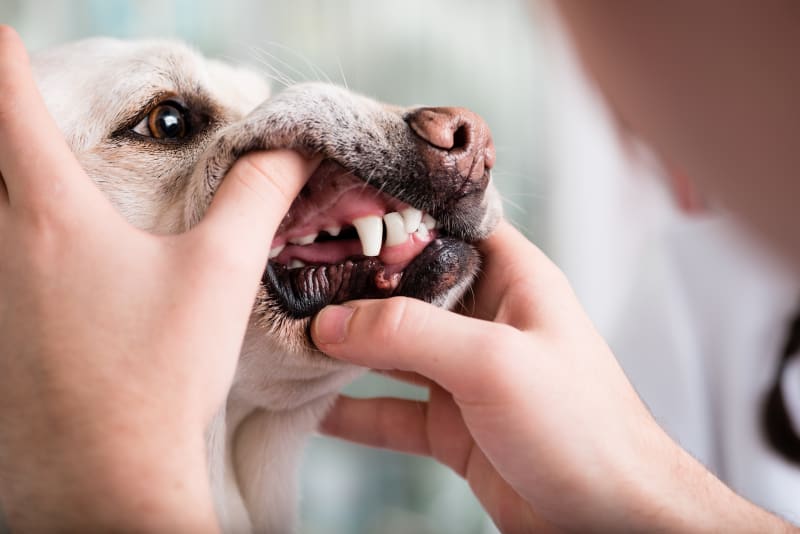
Choose a calm time when your Poodle is relaxed. Gently lift the lips and look at the teeth and gumline.
Check for:
-
Yellow or brown buildup
-
Red or swollen gums
-
Bleeding
-
Broken teeth
-
Loose teeth
-
Unusual swelling
-
Strong bad breath
-
Changes in the appearance of the mouth
Do not force your dog’s mouth open if they resist. A painful dog may react unexpectedly, even if they are normally gentle.
Home checks are useful for monitoring your dog’s mouth, but they do not replace professional veterinary examinations.
How to Prevent Tooth Decay in Poodles
Prevention is generally easier than treating advanced dental disease.
Brush Your Poodle’s Teeth Regularly
Regular brushing is one of the most useful habits for maintaining your dog’s oral hygiene.
Use a toothbrush designed for dogs and toothpaste specifically formulated for pets. Never use human toothpaste, as some ingredients can be unsafe for dogs.
Start slowly and allow your Poodle to become comfortable with having their mouth handled.
Use Appropriate Dental Products
Depending on your veterinarian’s recommendations, dental chews, dental diets, or other oral-care products may complement brushing.
Choose products appropriate for your dog’s size and chewing habits.
Schedule Veterinary Dental Checkups
Professional dental examinations allow a veterinarian to identify problems that may not be obvious during a quick home inspection.
Your veterinarian can assess the teeth and gums and recommend professional dental cleaning when necessary.
Establish a Consistent Routine
Dental care works best when it becomes part of your Poodle’s normal routine.
You can combine teeth brushing with other grooming activities such as brushing the coat, trimming nails, cleaning the ears, and checking the eyes.
When Should You Take Your Poodle to the Vet?
Contact your veterinarian if you notice persistent bad breath, bleeding gums, significant tartar, loose teeth, facial swelling, difficulty eating, mouth pain, or a sudden change in appetite.
Seek prompt veterinary attention if your Poodle appears to be in significant pain, has facial swelling, cannot eat or drink normally, or has a damaged tooth.
Early veterinary care can help identify the cause and prevent a relatively small dental problem from becoming more serious.
Final Thoughts
Tooth decay in Poodles is easier to manage when potential problems are recognized early. Bad breath, yellow or brown buildup, red gums, difficulty chewing, excessive drooling, loose teeth, and pawing at the mouth can all be signs that your Poodle needs closer dental attention.
Regular tooth brushing, appropriate dental products, routine mouth checks, and professional veterinary care can help support your Poodle’s oral health.
A few minutes of dental care each day can make a significant difference to your dog’s comfort and overall quality of life.
Frequently Asked Questions About Tooth Decay in Poodles
How can I tell if my Poodle has tooth decay?
Look for signs such as persistent bad breath, discolored teeth, plaque or tartar, red or bleeding gums, difficulty chewing, excessive drooling, or changes in eating behavior. A veterinarian should confirm the cause.
How often should I brush my Poodle’s teeth?
Regular brushing is recommended as part of a consistent dental-care routine. If your Poodle is not accustomed to brushing, introduce it gradually and use products made specifically for dogs.
Can I use human toothpaste on my Poodle?
No. Use toothpaste formulated for dogs. Human toothpaste may contain ingredients that are not safe for pets.
Are small Poodles more likely to have dental problems?
Small dogs can be prone to dental problems because their teeth may be crowded in a relatively small mouth. Consistent dental care is particularly important for small Poodles.
Can tooth decay in Poodles be prevented?
Good oral hygiene can help reduce plaque and support healthy teeth and gums. Regular brushing, veterinary checkups, and appropriate dental-care products are important parts of prevention.