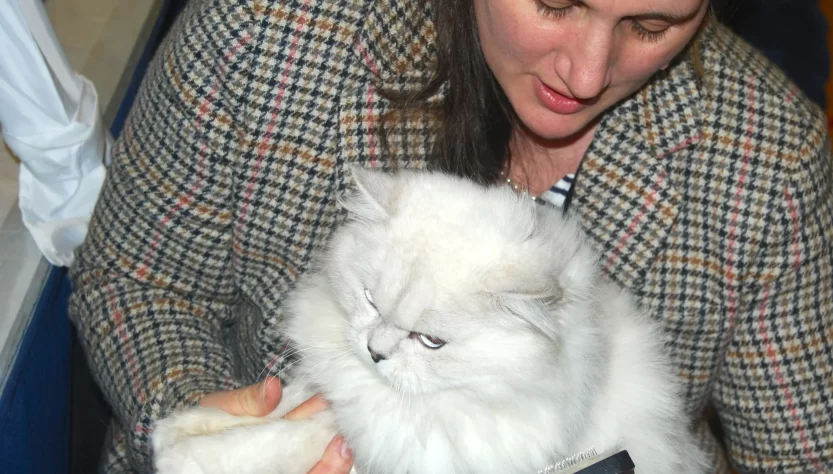
Raising British Longhair cats is becoming a popular trend among pet lovers thanks to their adorable appearance, luxurious thick coat, and gentle personality. However, to keep this breed healthy, disease-free, and beautiful, you need to understand the important principles of raising them. This article will help you fully understand how to properly raise a British Longhair cat.
1. Characteristics of British Longhair Cats
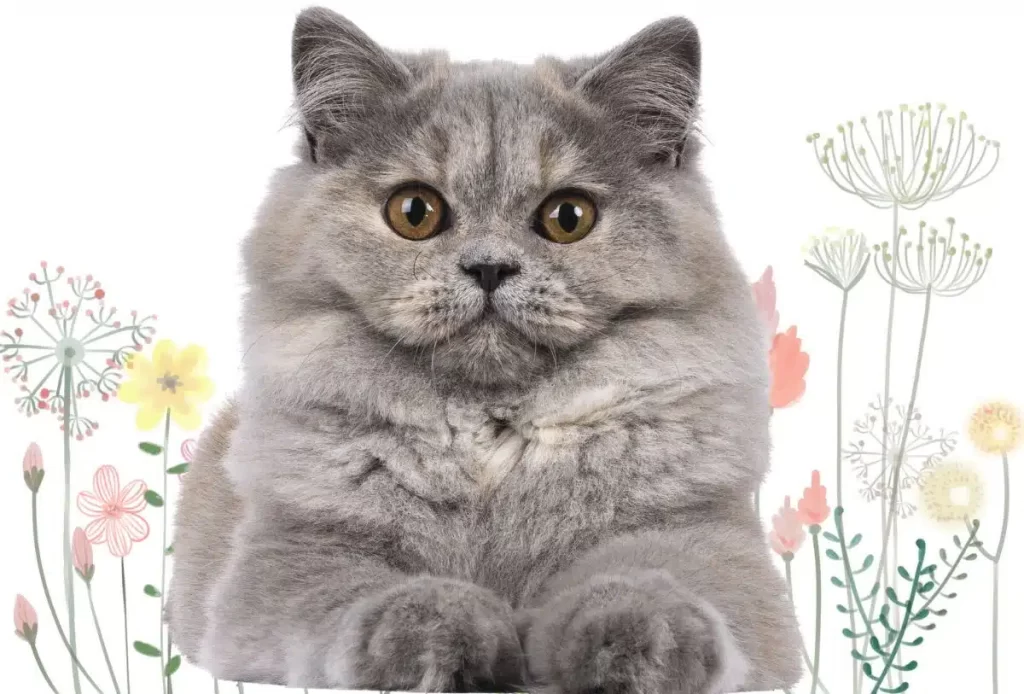
British Longhair cats originate from England and are the “long-haired” version of the British Shorthair cat. They have the following outstanding characteristics:
- A chubby, round body
- Long, thick, and extremely soft fur
- A round face with cute, chubby cheeks
- A gentle, less mischievous personality; they prefer quiet environments
👉 However, their thick fur and tendency to gain weight easily mean they require more careful grooming than usual.
2. How to care for a British Longhair cat’s fur
This is the most important factor when raising this breed.
Regular brushing
- Brush your fur 3–5 times/week, ideally daily
- Use a specialized comb for longhair cats
- Gently detangle, avoiding skin irritation
👉 If not brushed regularly, the fur will become matted, causing skin inflammation.
Proper Bathing
- Bathe 1–2 times/month
- Use cat-specific shampoo
- Dry completely after bathing
⚠️ Do not leave fur damp as this can easily cause fungal infections and skin diseases.
Minimize Hairballs in the Stomach
Cats that lick their fur frequently will swallow it.
Solution:
- Use hairball dissolving gel
- Supplement with fiber
- Feed catnip
3. Proper Nutrition
Nutrition accounts for 70% of a cat’s health.
Recommended food:
- Chicken, fish, beef (rich in protein)
- High-quality dry kibble
- Nutritious pate
Avoid:
- Overfeeding with fatty foods
- Spicy foods
- Regularly feeding offal
Important notes:
- Divide meals into 2–3 servings per day
- Do not allow free feeding all day
- Always provide clean water
👉 Vitamin supplements can help improve coat health and reduce shedding.
4. Weight management for cats
British longhair cats are prone to obesity due to:
- Lack of exercise
- A healthy appetite leading to weight gain
How to manage:
- Play with your cat for 15–20 minutes daily
- Use toys that encourage exercise
- Control portion sizes
⚠️ Obesity can cause heart disease, joint problems, and reduced lifespan.
5. Suitable Living Environment
British Longhair cats prefer a space that is:
- Clean and quiet
- Cool temperature
You need to prepare:
- Clean litter box
- A comfortable, well-ventilated sleeping area
- A quiet space
👉 Clean the litter box daily to prevent bacteria.
6. Regular Cleaning and Care
In addition to fur, you need to pay attention to:
- Teeth: Brush 2–3 times/week
- Ears: Clean weekly
- Eyes: Remove eye discharge
- Claws: Trim every 2–3 weeks
👉 This is essential to help your cat avoid illness and stay clean.
7. Vaccination and Healthcare
For long-term health of your cat:
- Full vaccination
- Deworming every 3–6 months
- Regular veterinary checkups
Common diseases:
- Obesity
- Heart disease
- Respiratory disease
- Fungal skin infections
👉 Early detection makes treatment easier.
8. Mistakes to Avoid When Raising British Longhair Cats
- Not brushing regularly
- Overfeeding leading to obesity
- Not playing with the cat
- Not drying after bathing
- Neglecting dental hygiene
9. Tips for New British Longhair Cat Owners
- It’s best to raise them from a young age for easier care
- Establish good hygiene and eating habits early
- Be patient as cats are quite “lazy”
- Monitor their weight regularly
10. Conclusion
Raising British Longhair cats isn’t too difficult, but it requires consistent care, especially regarding coat, nutrition, and exercise. When properly cared for, cats will:
- Have a beautiful, smooth coat
- Be less prone to illness and live longer
- Be well-behaved and easy to care for