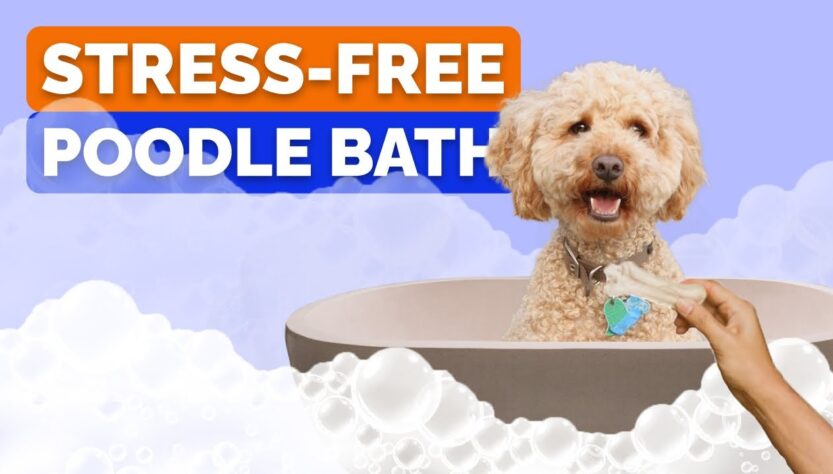
Bathing is an important part of Poodle grooming. Because Poodles have dense, curly coats, dirt, oil, and loose hair can become trapped close to the skin. Regular bathing helps keep your Poodle clean, comfortable, and fresh while supporting a healthy coat.
However, bathing a Poodle requires more than simply applying shampoo and rinsing. Using the right products, water temperature, brushing techniques, and drying methods can make the process safer and easier.
This guide explains how to bathe a Poodle step by step, how often to bathe your dog, and how to avoid common grooming mistakes.
How Often Should You Bathe a Poodle?
Most Poodles can be bathed every 3–6 weeks, depending on their coat, lifestyle, skin condition, and grooming routine.
You may need to bathe your Poodle more often if your dog:
- Plays outdoors frequently
- Gets dirty or muddy
- Has a strong odor
- Has a long or thick haircut
- Experiences excessive oiliness
- Has been advised to follow a special bathing routine by a veterinarian
Bathing too frequently with unsuitable shampoo may dry out the skin and damage the natural protective oils. Always choose a gentle shampoo designed specifically for dogs.
What You Need Before Bathing
Prepare everything before placing your Poodle in the bathtub. This helps reduce stress and prevents you from leaving your dog unattended.
Essential bathing supplies
- Dog-friendly shampoo
- Detangling conditioner, if suitable
- Lukewarm water
- Non-slip bath mat
- Soft towels
- Gentle brush or comb
- Cup or handheld shower
- Cotton balls for protecting the ears
- Hair dryer suitable for dogs
- Treats for positive reinforcement
Avoid using human shampoo because the pH balance may not be suitable for your dog’s skin.
Step 1: Brush Your Poodle Before the Bath
One of the most important rules of Poodle bathing is to brush the coat before getting it wet.
Water can tighten existing tangles and mats, making them more difficult to remove. Wet mats may also pull on the skin and cause discomfort during bathing or drying.
Use a slicker brush and comb to check areas that commonly tangle, including:
- Behind the ears
- Under the legs
- Around the neck
- The chest
- The belly
- The tail
- Around the feet
If you find severe mats close to the skin, it may be safer to ask a professional groomer for help.
Step 2: Prepare the Bathing Area
Use a quiet, comfortable location where your Poodle feels secure. Place a non-slip mat inside the bathtub or bathing area to prevent slipping.
The water should be lukewarm, not hot or cold. Test the temperature with your hand before wetting your dog.
Speak calmly to your Poodle and reward relaxed behavior with small treats. Puppies and nervous dogs may need extra time to become comfortable with the bathing process.
Step 3: Wet the Coat Thoroughly
Begin by gently wetting the body with lukewarm water. Avoid spraying water directly into the eyes, nose, or ears.
Because Poodle coats are dense and curly, water may take time to reach the skin. Separate the coat with your fingers and make sure the entire body is evenly wet.
Pay attention to the:
- Back
- Chest
- Legs
- Belly
- Tail
- Neck
Be gentle around sensitive areas and keep your dog’s head steady.
Step 4: Apply Dog Shampoo
Apply a small amount of dog shampoo and gently massage it into the coat. Start at the neck and work toward the back, chest, legs, and tail.
Use your fingertips rather than scratching with your nails. Massage gently to remove dirt and excess oil without irritating the skin.
Take extra care around:
- The paws
- Between the toes
- Under the belly
- Behind the ears
- Around the tail
Do not allow shampoo to enter your dog’s eyes or ears. For the face, use a damp cloth or a small amount of diluted, dog-safe cleanser recommended for facial use.
Step 5: Rinse Completely
Rinsing is one of the most important parts of bathing a Poodle. Shampoo left in the coat may cause:
- Itching
- Dry skin
- Redness
- Flaking
- Skin irritation
Rinse slowly and thoroughly until the water runs clear and no slippery product remains.
Separate the curls with your fingers while rinsing to ensure that water reaches the skin. Pay special attention to the belly, armpits, paws, and areas beneath thick hair.
Step 6: Use Conditioner if Necessary
A dog-safe conditioner may help improve coat softness and make brushing easier, especially for Poodles with long or fluffy hairstyles.
Apply the conditioner according to the product instructions. Avoid using too much, as excess product may make the coat heavy or greasy.
Rinse thoroughly unless the product is specifically designed as a leave-in conditioner.
Step 7: Dry Your Poodle Carefully
After rinsing, gently squeeze excess water from the coat. Avoid rubbing vigorously with a towel because strong rubbing can create tangles.
Wrap your Poodle in a soft towel and pat the coat dry.
Next, use a dog-safe dryer on a low or moderate setting. Keep the dryer moving and avoid directing hot air at one area for too long.
While drying, gently brush small sections of the coat. This technique helps separate the curls and creates a smoother, fluffier appearance.
Important drying tips
- Check the air temperature frequently.
- Keep the dryer away from the eyes and ears.
- Never leave your dog unattended with a running dryer.
- Stop if your Poodle shows signs of fear or discomfort.
- Make sure the coat and skin are completely dry.
A damp coat can encourage tangles and may contribute to skin problems, particularly in thick-coated dogs.
Step 8: Finish the Grooming Routine
Once your Poodle is clean and dry, complete a few additional grooming tasks:
- Brush and comb the entire coat.
- Check the ears for moisture or unusual odor.
- Trim the nails if necessary.
- Clean the face gently.
- Check the skin for redness, bumps, or irritation.
- Reward your dog with praise or a treat.
If your Poodle has a specific haircut, bathing and drying are often best completed before professional trimming.
Common Poodle Bathing Mistakes
Avoid these common mistakes during bath time:
Bathing too frequently
Frequent bathing with harsh products may dry the skin and cause irritation.
Skipping pre-bath brushing
Bathing a tangled coat can make mats tighter and harder to remove.
Using human shampoo
Human products may not be suitable for a dog’s skin and can cause dryness or irritation.
Leaving shampoo in the coat
Incomplete rinsing is a common cause of post-bath itching.
Using excessive heat
Hot air can burn the skin or make your Poodle uncomfortable.
Leaving the coat damp
Moisture trapped beneath dense curls may encourage tangles and skin problems.
How to Make Bathing Easier for Your Poodle
To create a positive bathing experience:
- Introduce your dog to the bathtub gradually.
- Reward calm behavior with treats.
- Keep the first baths short.
- Use a non-slip surface.
- Speak in a calm and reassuring voice.
- Avoid forcing your dog into uncomfortable positions.
- Maintain a consistent grooming routine.
With patience and positive reinforcement, many Poodles become more comfortable with bathing over time.
Final Thoughts
Learning how to bathe a Poodle correctly helps maintain a clean, healthy, and beautiful coat. The most important steps are brushing before bathing, using dog-safe products, rinsing thoroughly, and drying the coat completely.
For the best results, combine regular bathing with brushing, professional haircuts, nail care, ear checks, and dental hygiene. If your Poodle has sensitive skin, persistent itching, or unusual skin problems, consult a veterinarian before changing the bathing routine.
Related Articles
- [How to Brush a Poodle: Step-by-Step Grooming Guide]
- [Poodle Coat Care: Complete Guide to Healthy, Fluffy Fur]
- [How Often Should a Poodle Be Groomed? Complete Guide]
- [Teddy Bear Poodle Cut: Complete Grooming Guide]
- [Puppy Cut Poodle: Complete Grooming Guide]