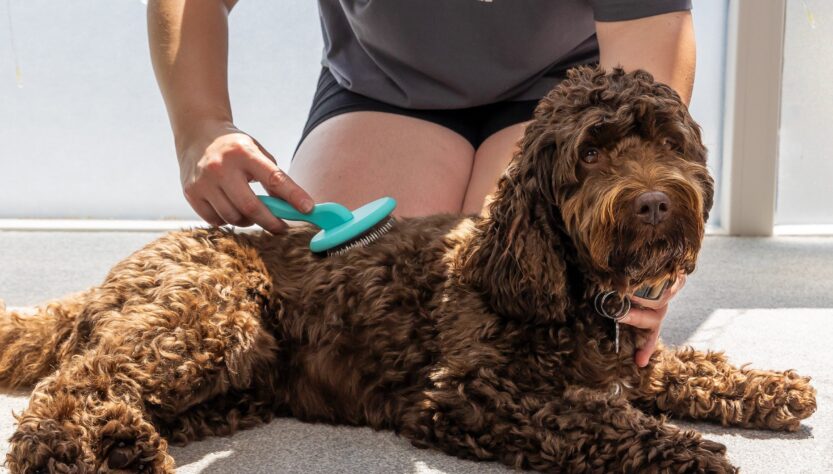
Choosing the best clippers for a Poodle can make home grooming easier, safer, and more comfortable for your dog. Poodles have dense, curly coats that require regular maintenance, and using unsuitable clippers can lead to uneven haircuts, pulling, or skin irritation.
Whether you own a Toy, Miniature, or Standard Poodle, the right grooming clippers depend on your dog’s coat type, haircut, temperament, and your grooming experience.
Some owners need a reliable clipper for maintaining a simple Puppy Cut, while others want professional-style equipment for detailed grooming. Understanding the differences between clipper types, blades, motors, and safety features will help you choose the right tool.
In this guide, you’ll learn what to look for in Poodle grooming clippers, how to use them safely, and how to maintain them for long-term performance.
Why Do Poodles Need Suitable Grooming Clippers?
Poodles have curly hair that can continue growing and easily become tangled or matted. Regular brushing is essential, but many Poodle haircuts also require clipping to maintain a manageable coat length.
Suitable grooming clippers can help you:
- Maintain short and medium-length haircuts.
- Keep the body coat neat and even.
- Trim hair around the legs and body.
- Maintain practical styles such as the Puppy Cut.
- Reduce the time needed for routine coat maintenance.
- Create a consistent appearance between professional grooming appointments.
Clippers are only one part of a complete grooming routine. Brushing, bathing, drying, nail care, and regular coat checks are equally important.
If you’re new to grooming, start with our guide to Poodle Grooming Tools.
What Are the Best Clippers for a Poodle?
The best clippers for a Poodle are grooming clippers designed for dogs, with enough power for a dense curly coat, suitable blade options, comfortable handling, and reliable safety features.
For most beginners, a quality dog clipper with a suitable blade or adjustable cutting-length system is a practical starting point.
Before purchasing, consider these factors:
- Motor performance: The clipper should handle your dog’s coat without repeatedly snagging or pulling.
- Blade compatibility: Make sure the device accepts the blade types or attachments you need.
- Noise and vibration: A quieter, lower-vibration model may be easier for a nervous dog to tolerate.
- Weight and ergonomics: Comfortable handling is important during longer grooming sessions.
- Corded or cordless design: Choose according to your workspace and grooming preferences.
- Cleaning and maintenance: Removable blades and straightforward cleaning can make routine care easier.
No single clipper is best for every Poodle. A dog with a short, regularly maintained coat has different grooming needs from one with a long, dense, or tangled coat.
1. Professional Clippers vs. Home Grooming Clippers
Understanding the main types of clippers can help you choose a tool that matches your experience and budget.
Professional Dog Grooming Clippers
Professional clippers are designed for frequent use and a wide range of coat types and haircut styles.
Potential advantages include:
- Consistent cutting performance.
- Compatibility with different blades.
- Greater suitability for extended grooming sessions.
- More options for detailed coat styling.
However, professional equipment can cost more and may require additional knowledge about blade selection, cleaning, and maintenance.
Clippers for Home Grooming
Home grooming clippers are often designed for occasional use and simpler haircuts.
They may be suitable for owners who want to maintain a short body coat or tidy up a familiar style between professional appointments.
Before buying, check whether the model is specifically suitable for dense, curly dog hair. Some basic kits are intended mainly for fine or lightly coated pets and may struggle with a thick Poodle coat.
Which Type Should You Choose?
Choose home grooming clippers if you want to maintain a simple haircut and are prepared to learn safe grooming techniques.
Consider professional-grade equipment if you groom frequently, maintain more complicated styles, or need interchangeable blades.
For intricate haircuts or severely matted coats, a professional groomer may be the safer choice.
2. Corded vs. Cordless Poodle Clippers
Both corded and cordless clippers can work well for Poodle grooming. The best option depends on where and how you groom your dog.
Corded Clippers
Corded clippers receive continuous power from an electrical outlet.
Advantages:
- No battery charging between sessions.
- Suitable for longer grooming sessions.
- No need to monitor battery capacity during use.
Potential disadvantages:
- The cord can restrict movement.
- You must manage the cable carefully around your dog.
- Access to a suitable power outlet is necessary.
Cordless Clippers
Cordless clippers operate on a rechargeable battery.
Advantages:
- Easier movement around the dog.
- Convenient for home grooming.
- No cable to manage while changing positions.
Potential disadvantages:
- Battery life varies by model.
- Charging is necessary.
- Performance and runtime can change as the battery ages.
Which Is Better for Poodles?
For occasional home grooming, cordless clippers can be convenient. For frequent or extended grooming, corded clippers may be preferable if you want uninterrupted operation.
Whichever type you choose, prioritize reliable cutting performance, comfortable handling, and safety rather than convenience alone.
3. Understanding Poodle Clipper Blades
Choosing the correct blade is just as important as choosing the clipper itself.
Different blades produce different coat lengths. However, the exact cutting length depends on the blade type, manufacturer, coat condition, and clipping technique.
Fixed-Length Blades
Professional grooming clippers often accept detachable blades designed to leave a particular coat length.
These blades can be useful when you want a consistent finish, but you need to understand the manufacturer’s blade numbering system before using them.
Important: Blade numbers are not intuitive. A higher blade number does not necessarily mean a longer cut. Check the manufacturer’s cutting-length chart every time you choose a blade.
Adjustable Blades
Some clippers allow you to adjust the cutting length using an integrated lever or compatible attachments.
These can be convenient for owners maintaining a simple haircut.
Always confirm the actual cutting lengths available on your specific model.
Guide Combs
Guide combs fit over compatible clipper blades to leave longer hair.
They can be useful for maintaining a longer Puppy Cut or a simple body trim.
However, guide combs may not glide smoothly through tangled or densely packed hair. The coat must be properly brushed and prepared before clipping.
How to Choose a Blade Length
Consider your Poodle’s:
- Current haircut.
- Coat condition.
- Desired finished length.
- Skin sensitivity.
- Grooming routine.
- Ability to remain calm during clipping.
If you are unsure, consult a professional groomer before selecting a very short blade or attempting a major change in haircut.
4. Best Clippers for Different Poodle Haircuts
The right clipper depends on the style you want to maintain.
Puppy Cut
The Puppy Cut generally features a relatively even, practical coat length, although the exact style varies between groomers.
A quality clipper with compatible guide combs or suitable blades may help maintain this style.
Regular brushing is still necessary, particularly around the ears, legs, collar area, and tail.
Learn more in our Puppy Cut Poodle guide.
Teddy Bear Cut
The Teddy Bear Cut usually features a rounded face and a soft, fluffy appearance.
Clippers may be used for parts of the body, while scissors and other tools help shape the face and finishing details.
This style requires regular brushing to preserve its shape and reduce matting.
Read our Teddy Bear Poodle Cut guide.
Short Poodle Haircuts
Shorter styles can be easier to maintain, but they still require careful clipping and regular skin checks.
Avoid choosing an extremely short cut simply because it appears easier. Your dog’s coat condition, skin health, and comfort should guide your decision.
Asian Fusion and Detailed Styles
Asian Fusion styles often include carefully shaped legs, rounded features, and longer decorative areas.
Clippers may be used for selected sections, but these styles usually require additional finishing work and more advanced grooming skills.
Beginners may find it easier to ask a professional groomer to establish the style before maintaining it at home.
5. How to Prepare Your Poodle Before Clipping
Preparation can make clipping smoother and help prevent discomfort.
Step 1: Check the Coat
Run your fingers gently through the coat and look for knots, mats, dirt, or moisture.
Do not assume the coat is ready simply because the surface looks smooth.
Step 2: Brush and Comb Thoroughly
Use a suitable slicker brush and metal grooming comb to remove loose hair and small tangles.
If you find tight mats close to the skin, do not force a comb through them.
Read our guide to Poodle Matting: How to Prevent and Remove Mats Safely.
Step 3: Bathe if Needed
If the coat is dirty, bathing may be appropriate before clipping.
Brush out tangles before bathing, because water can tighten existing mats.
Use a dog-appropriate shampoo and rinse thoroughly.
Step 4: Dry the Coat Completely
Poodles generally need to be dried thoroughly before routine clipping, unless the clipper manufacturer and your groomer’s instructions specify otherwise.
A clean, dry, properly brushed coat is easier to assess and clip evenly.
See our guide to How to Dry a Poodle After Bathing.
Step 5: Prepare Your Equipment
Check that the clipper, blade, guide comb, and power supply are in good condition.
Clean the blade and apply clipper oil if recommended by the manufacturer.
6. How to Use Poodle Clippers Safely at Home
Clipping a Poodle requires patience, a steady hand, and attention to the dog’s behavior.
Start Slowly
Let your Poodle see and smell the switched-off clipper.
If your dog is comfortable, introduce the sound and vibration gradually. Use praise and suitable treats to build positive associations.
Never force a frightened dog to continue.
Work in Small Sections
Use controlled, steady movements and follow the coat’s natural direction when appropriate for your chosen style and technique.
Avoid repeatedly passing over the same area, particularly if the blade is becoming warm.
Be Careful Around Sensitive Areas
Extra caution is needed around:
- Eyes and face.
- Ears and ear flaps.
- Armpits.
- Belly and groin.
- Skin folds.
- Paw pads and toes.
- Areas with loose or irritated skin.
These areas can be injured easily. If you are inexperienced, leave delicate areas to a professional groomer.
Monitor Blade Temperature
Clipper blades can become hot during use.
Stop regularly and check the temperature according to the manufacturer’s instructions. If the blade feels hot, stop clipping and allow it to cool or replace it with a properly maintained, cool blade.
Never press a hot blade against your dog’s skin.
Do Not Clip Through Tight Mats
Severe mats can pull the skin into the tangled hair, making it difficult to distinguish the skin from the mat.
Do not slide scissors under mats or attempt to cut them out close to the skin. If the coat is tightly matted, seek help from an experienced groomer or veterinarian when necessary.
Stop if Your Dog Shows Distress
Repeatedly pulling away, trembling, growling, struggling, or showing signs of pain means you should pause.
Do not restrain a distressed dog and continue clipping regardless. A professional groomer or veterinarian can advise on safer next steps.
7. How to Maintain Your Poodle Clippers
Proper maintenance helps your equipment work effectively and can reduce the risk of pulling or uneven cutting.
Clean the Blades
Remove trapped hair after each use according to the manufacturer’s cleaning instructions.
Oil the Blades
Apply clipper oil where and when recommended by the manufacturer. Too little lubrication can increase friction and heat.
Check for Damage
Inspect blades for rust, chips, loose parts, or other damage. Do not use damaged blades on your dog.
Store Equipment Properly
Keep clippers and blades clean, dry, and protected from dust.
Store them out of reach of children and pets.
Service the Clippers When Needed
If the clipper becomes unusually noisy, overheats, pulls hair, or performs inconsistently, stop using it and check the manufacturer’s troubleshooting guidance.
A damaged or poorly maintained clipper can make grooming more difficult and uncomfortable.
8. Common Mistakes When Buying Poodle Clippers
Avoid these mistakes when choosing your equipment.
Buying Only Based on Price
The cheapest clipper may not be suitable for a dense, curly coat.
Look for evidence that the model is designed for the type of coat you need to groom.
Ignoring Blade Compatibility
Not all blades and guide combs fit every clipper.
Check compatibility before buying replacement parts or accessories.
Choosing a Blade Without Understanding Its Length
Blade numbering varies by product type and manufacturer.
Always confirm the actual cutting length before clipping.
Ignoring Noise and Vibration
A dog that is uncomfortable with loud noises may struggle during grooming.
Consider your dog’s temperament and introduce equipment gradually.
Clipping a Dirty or Tangled Coat
Dirt and tangles can make clipping less effective and may contribute to pulling.
Prepare the coat appropriately before starting.
Attempting an Advanced Haircut Too Soon
Complex styles require practice and precise handling.
Start with basic maintenance and seek professional guidance for more advanced work.
9. What Else Do You Need for Poodle Grooming?
Clippers alone are not enough for a complete grooming routine.
A practical grooming kit may include:
- Slicker brush.
- Metal grooming comb.
- Dog shampoo.
- Towels and a suitable dog dryer.
- Compatible clipper blades or guide combs.
- Grooming scissors for trained, careful use.
- Nail clippers or a nail grinder.
- Grooming table or stable, nonslip surface.
Choose tools according to your dog’s needs and your own experience.
Our Poodle Grooming Tools guide explains the purpose of essential equipment.
Frequently Asked Questions
What are the best clippers for a Poodle?
The best clippers are designed for dog grooming, can handle a dense curly coat, offer compatible blade options, and have reliable safety features. Your choice should reflect your Poodle’s coat condition, haircut, and your grooming experience.
Can I use human hair clippers on a Poodle?
Human hair clippers are generally not the best choice for a Poodle’s dense curly coat. They may lack the cutting performance and blade options needed for comfortable, effective dog grooming. Choose equipment specifically designed for dogs.
Are cordless clippers good for Poodles?
Yes. Cordless clippers can be convenient for home grooming and allow greater freedom of movement. Check battery runtime, cutting performance, blade compatibility, and the manufacturer’s recommendations for coat type.
What clipper blade should I use on a Poodle?
The correct blade depends on the desired coat length, the haircut, and the clipper system. Always check the manufacturer’s cutting-length chart rather than choosing a blade number based on assumptions.
Can beginners clip a Poodle at home?
Beginners can learn basic coat maintenance, but safe clipping requires preparation, suitable tools, and patience. Start with a simple style and avoid delicate areas or severe mats until you have the necessary experience.
Should I shave my Poodle’s coat very short in summer?
A very short haircut is not automatically better in hot weather. Discuss suitable coat length with a professional groomer, considering your dog’s coat condition, skin health, and lifestyle.
How often should I clip my Poodle?
The timing depends on the haircut and how quickly the coat grows. Many Poodles need professional grooming approximately every four to eight weeks, but individual needs vary. Regular brushing and coat checks are important between appointments.
Why do my clippers pull my Poodle’s hair?
Possible reasons include a dull or dirty blade, poor lubrication, an unsuitable clipper, a tangled coat, or an incorrect technique. Stop if the clipper pulls hair, check the equipment and coat condition, and seek professional help if the problem continues.
Final Thoughts
Choosing the best clippers for a Poodle means finding equipment that suits your dog’s curly coat, your preferred haircut, and your grooming experience.
For beginners, a reliable dog clipper with compatible cutting attachments, comfortable handling, and clear maintenance instructions is a sensible starting point.
Remember that safe clipping begins before you switch the clippers on. Brush out tangles, prepare the coat correctly, monitor blade temperature, and stop if your dog shows signs of discomfort.
For complicated styles or severely matted coats, professional grooming is often the safer option.
Explore more grooming advice at PetLoves.top to learn about Poodle haircuts, brushing, coat care, and maintaining a healthy-looking coat between grooming appointments.