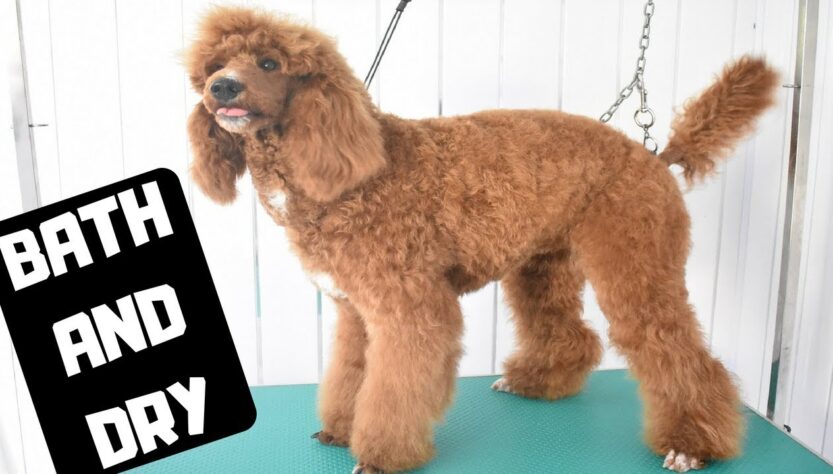
Drying a Poodle after bathing is just as important as washing the coat. Because Poodles have dense, curly hair, moisture can easily become trapped close to the skin. If the coat is not dried properly, it may become tangled, flat, or uncomfortable.
Learning how to dry a Poodle after bathing can help keep the coat clean, fluffy, and easier to maintain. The right drying technique can also make professional grooming results look better and reduce the risk of creating new mats.
In this guide, you will learn how to dry a Poodle step by step, which tools to use, how to brush while drying, and common mistakes to avoid.
Why Is Proper Drying Important for a Poodle?
Poodle coats are different from many other dog coats. Their curly hair can hold a significant amount of water after a bath.
Leaving the coat damp for too long can make it:
- More difficult to brush
- More prone to tangling
- Flat instead of fluffy
- Uncomfortable for your dog
- More likely to develop an unpleasant odor
Proper drying also prepares the coat for trimming and styling.
A completely dry, brushed coat is much easier to groom than a wet or tangled one.
What You Need to Dry a Poodle
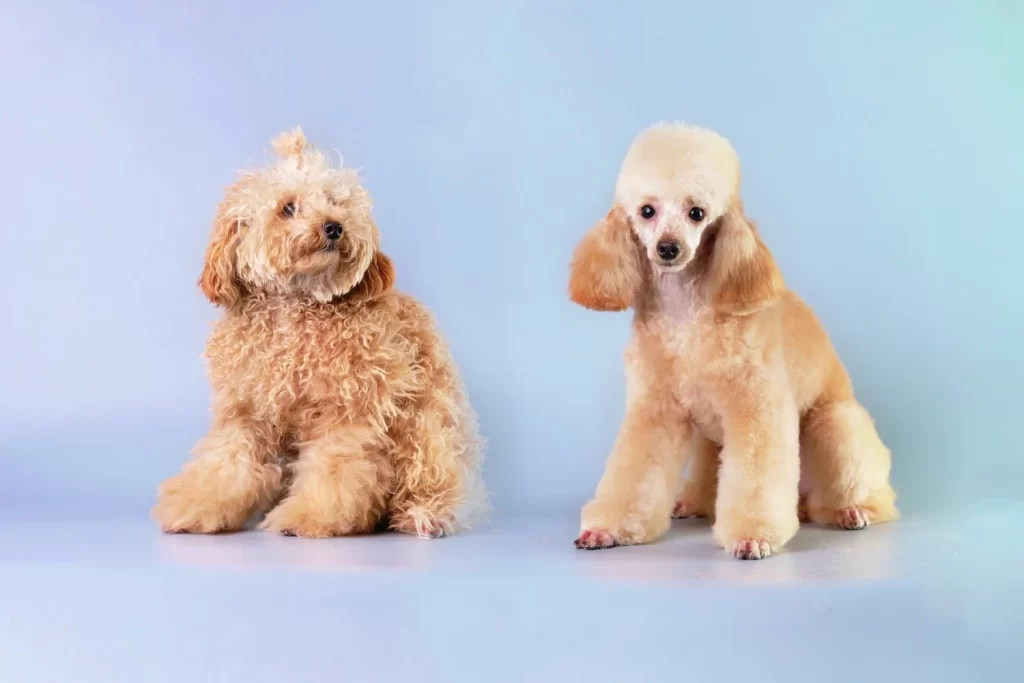
Before bathing your Poodle, prepare all the drying equipment you need.
Essential grooming tools
- Soft absorbent towels
- Dog-safe hair dryer or high-velocity dryer
- Slicker brush
- Metal comb
- Grooming table or secure non-slip surface
- Treats for positive reinforcement
For Poodles with thick or long coats, a professional grooming dryer can make the process much easier.
Step 1: Remove Excess Water
Immediately after rinsing, gently squeeze excess water from the coat.
Start with the body and work toward the legs and tail. Do not twist or pull the hair aggressively.
You can use your hands to gently press the coat and remove excess water.
Avoid vigorous towel rubbing. Rubbing curly Poodle hair aggressively can create unnecessary tangles.
Step 2: Wrap Your Poodle in a Towel
Place a clean, absorbent towel around your Poodle and gently pat the coat.
Allow the towel to absorb as much moisture as possible.
For a thick-coated Poodle, you may need to use a second dry towel.
Focus on areas that hold a lot of water, including:
- Chest
- Belly
- Legs
- Paws
- Tail
- Around the neck
Do not leave your Poodle wrapped in a towel for a long period if the coat remains very wet underneath.
Step 3: Choose the Right Dryer
A dryer can make a major difference when grooming a Poodle.
For home grooming, a dog-safe dryer with adjustable temperature and airflow is useful. Professional groomers may use high-velocity dryers designed specifically for dogs.
Important safety rules
Always:
- Start with a low or moderate setting.
- Test the airflow before directing it at your dog.
- Keep the dryer moving.
- Avoid excessive heat.
- Keep air away from the eyes and directly inside the ears.
- Watch your dog’s body language.
Never use very hot air simply to speed up the drying process.
Step 4: Introduce the Dryer Slowly
Some Poodles are nervous around the sound and airflow of a dryer.
If your dog is uncomfortable, start slowly.
Turn the dryer on at a distance and allow your Poodle to hear the sound. Reward calm behavior with praise or a small treat.
Gradually bring the dryer closer as your dog becomes comfortable.
For puppies, early positive experiences can help make future grooming sessions easier.
Step 5: Start Drying the Body
Begin with the larger areas of the body.
Move the dryer continuously through the coat rather than concentrating the airflow on one spot.
Use your free hand to separate sections of hair so air can reach the coat more effectively.
Pay attention to the skin underneath the curls. The outer layer may feel dry while the coat underneath is still damp.
Step 6: Brush While Drying
One of the most useful techniques for Poodle grooming is brushing while blow-drying.
Use a slicker brush and work through small sections of the coat.
A simple method is:
- Separate a small section of hair.
- Direct gentle airflow through the section.
- Brush the hair with a slicker brush.
- Continue until the section is dry and fluffy.
- Move to the next section.
This technique can help separate curls, prevent tangles, and create a fuller appearance.
Do not pull aggressively when brushing. If you encounter a mat, stop and gently work on the tangled area rather than forcing the brush through it.
Step 7: Dry the Legs and Paws
Poodle legs can hold a surprising amount of water.
Lift each leg carefully and dry the hair from the roots toward the ends.
Pay particular attention to the paws and spaces between the toes.
Make sure the hair around the feet is completely dry before finishing the grooming session.
Step 8: Dry the Tail
The tail often has a thicker coat and may take longer to dry.
Separate the hair into sections and use gentle airflow while brushing.
Avoid pulling hard on the tail because the skin can be sensitive.
Once completely dry, comb through the tail to check for remaining tangles.
Step 9: Dry the Face Carefully
The face requires extra care.
Never direct strong airflow directly into your Poodle’s eyes or nose.
Use a lower airflow setting around the face and keep the dryer at a safe distance.
For sensitive areas around the eyes, a soft towel can help remove remaining moisture.
Be particularly gentle around the ears and facial hair.
How Do You Know When a Poodle Is Completely Dry?
Do not judge dryness only by looking at the outside of the coat.
Use your fingers to check the hair close to the skin.
A Poodle is properly dry when:
- The roots are no longer damp.
- The coat feels evenly dry.
- There are no wet patches underneath the curls.
- The coat can be brushed smoothly.
- The skin is not noticeably moist.
If the coat still feels cool or damp near the skin, continue drying gently.
Common Mistakes When Drying a Poodle
1. Using too much heat
High heat can make your dog uncomfortable and may irritate the skin.
2. Rubbing the coat aggressively
Hard towel rubbing can create tangles in curly hair.
3. Drying only the outside
The surface may feel dry while the roots remain wet.
4. Skipping brushing
A wet Poodle coat can easily develop tangles as it dries.
5. Using a human hair dryer incorrectly
If you use a human dryer, choose a cool or low setting and monitor the temperature carefully. A dog-specific dryer is generally more suitable for regular grooming.
6. Forcing a nervous dog
If your Poodle is frightened by the dryer, forcing the process can create a negative association with grooming.
Take breaks and introduce the dryer gradually.
How to Make Your Poodle Fluffy After Bathing
If you want a soft, fluffy finish, drying technique matters.
Try this routine:
Bath → Towel Dry → Blow Dry → Slicker Brush → Comb → Final Check
Brush small sections while drying rather than waiting until the entire coat is completely dry.
For professional-style fluffing, groomers often use controlled airflow combined with brushing to straighten and separate the curly coat temporarily.
How Long Does It Take to Dry a Poodle?
Drying time depends on the size of your Poodle, coat length, coat density, and equipment.
A Toy Poodle with a short haircut may dry relatively quickly, while a Standard Poodle with a long, dense coat can take considerably longer.
Do not rush the process simply to save time. The goal is to dry the coat thoroughly while keeping your dog comfortable.
How Often Should You Dry Your Poodle?
Your Poodle should be dried thoroughly every time the coat becomes wet enough to remain damp, particularly after bathing.
If your Poodle gets wet from rain or swimming, gently towel dry the coat and check the roots.
For regular bathing, always include complete drying as part of the grooming routine.
Drying Tips for Poodle Puppies
Puppies may need additional patience.
Keep the first grooming sessions short and positive.
Start by introducing:
- Towels
- Gentle brushing
- The sound of the dryer
- Light airflow
- Short drying sessions
Reward calm behavior throughout the process.
The goal is not only to dry the coat but also to teach your puppy that grooming is a normal part of life.
Drying Tips for Senior Poodles
Older Poodles may become uncomfortable standing for long periods.
Provide a secure, non-slip surface and take regular breaks.
Use a comfortable airflow setting and monitor your dog’s behavior throughout the session.
If your senior Poodle has sensitive skin or health concerns, discuss appropriate grooming practices with your veterinarian.
Final Thoughts
Learning how to dry a Poodle after bathing is an important part of maintaining a healthy and beautiful coat.
The key is to remove excess water gently, use a suitable dryer, brush small sections while drying, and make sure the coat is completely dry all the way to the roots.
A good drying routine can help prevent tangles, improve coat volume, and prepare your Poodle for a clean, professional-looking haircut.
For the best overall grooming routine, combine proper drying with regular brushing, bathing, nail care, ear care, dental hygiene, and professional grooming when needed.
Frequently Asked Questions
Can I let my Poodle air dry?
It is better to dry the coat thoroughly rather than leaving a dense Poodle coat wet for an extended period. Towel drying followed by careful blow-drying is usually more effective.
Can I use a hair dryer on my Poodle?
A dog-safe dryer is preferable. If using a human hair dryer, use a low or cool setting, keep it moving, and avoid excessive heat.
Should I brush my Poodle while drying?
Yes. Gentle brushing while blow-drying can help separate the curls, reduce tangles, and create a fluffier finish.
Why is my Poodle still damp after blow-drying?
The outer coat may dry faster than the hair close to the skin. Separate the coat into smaller sections and check the roots carefully.
How do I keep my Poodle fluffy after bathing?
Use a gentle blow-drying technique combined with a slicker brush. Dry small sections while brushing instead of simply blowing air over the entire coat.