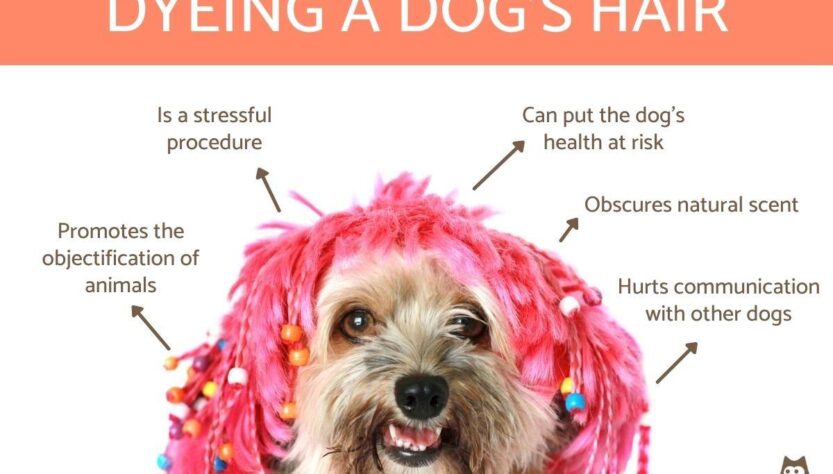
Dyeing a dog’s coat can create a fun, colorful look and is sometimes used for special occasions, creative grooming, or professional grooming competitions. However, dog fur dyeing is not simply a beauty treatment. The product, application method, and condition of the dog’s skin and coat all matter.
Using an unsuitable product or applying dye incorrectly can cause skin irritation, eye problems, discomfort, or other health concerns. For this reason, dog owners should always prioritize safety over appearance.
In this guide, we explain the most important things to know before dyeing your dog’s fur, including how to choose appropriate products, prepare the coat, avoid sensitive areas, and recognize situations when coloring should be avoided.
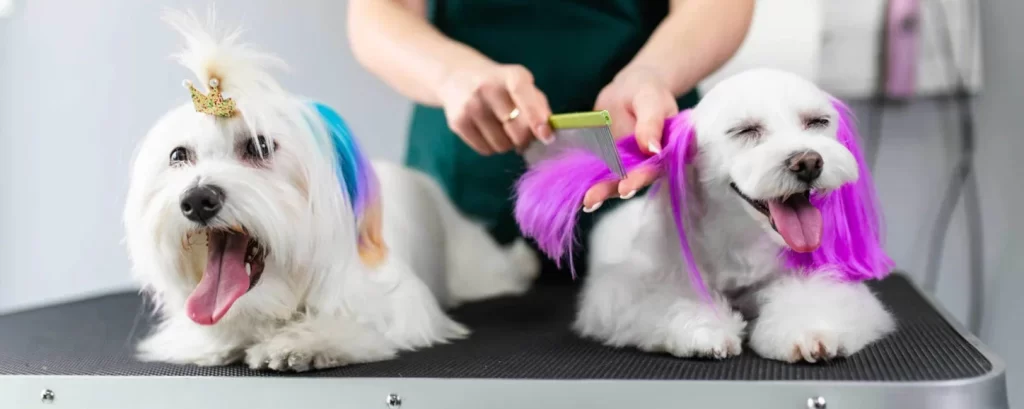
Is Dog Fur Dyeing Safe?
Dog fur dyeing can be safer when products specifically made for dogs are used correctly. However, no coloring product should automatically be considered risk-free.
Dogs have different skin characteristics and grooming needs, and some may be more sensitive than others. The biggest concerns include:
-
Skin irritation
-
Allergic reactions
-
Eye irritation
-
Accidental ingestion from licking
-
Contact with wounds or damaged skin
-
Stress during the grooming process
Before applying any product, read the label carefully and follow the manufacturer’s instructions.
If you are unsure whether a product is appropriate for your dog, consult a veterinarian or experienced professional groomer.
Choose a Pet-Safe Dog Hair Dye
Choosing the right product is the most important step in dog fur dyeing.
Only use coloring products specifically formulated and labeled for dogs. Products designed for pets are developed with their intended use in mind and should include instructions for safe application.
Avoid Human Hair Dye
Human hair dye should not be used on dogs.
Human coloring products may contain ingredients that can irritate a dog’s skin or cause problems if the dog licks and swallows the product.
Avoid experimenting with household dyes, fabric dyes, permanent hair colors, or other products that are not specifically intended for dogs.
When it comes to pet grooming, “natural” or homemade does not automatically mean safe.
Check Your Dog’s Skin and Coat Before Dyeing
Before any dog fur coloring, carefully inspect the skin and coat.
Do not dye areas with:
-
Open wounds
-
Scratches
-
Redness
-
Skin infections
-
Severe irritation
-
Excessive itching
-
Hair loss
-
Moist or damaged skin
If your dog already has a skin problem, coloring the coat may make irritation worse or make it harder to monitor the condition.
Treat the underlying skin problem first and ask your veterinarian when it is appropriate to resume grooming.
Perform a Small Patch Test
A small patch test can help identify whether a particular product causes an obvious reaction.
Apply a small amount of the product to a limited area according to the manufacturer’s directions and monitor your dog for signs of irritation.
Look for:
-
Redness
-
Swelling
-
Excessive scratching
-
Licking
-
Rash
-
Discomfort
If an unusual reaction occurs, stop using the product.
A patch test cannot guarantee that a dog will not react to a product later, so continue monitoring the skin during and after the coloring process.
Avoid Sensitive Areas
Extra care is needed around delicate parts of your dog’s body.
Keep dye away from:
-
Eyes
-
Nose
-
Mouth
-
Inside of the ears
-
Genitals
-
Open wounds
-
Broken or irritated skin
Facial coloring should be performed with particular caution because dogs can easily lick their faces and accidentally ingest products.
For complicated facial designs, professional grooming is often a better option than attempting the procedure yourself.
Prepare Your Dog Before Dyeing
Proper preparation can make the grooming process safer and more comfortable.
Brush the Coat
Brush your dog’s fur thoroughly to remove tangles and mats.
Dye should be applied to a clean, manageable coat rather than heavily matted hair.
Bathe When Appropriate
Depending on the product instructions, the coat may need to be clean before coloring.
Use a gentle dog shampoo and rinse thoroughly. Avoid aggressively scrubbing the skin immediately before applying a coloring product.
Dry the Coat Properly
Make sure the coat is prepared according to the product instructions. Avoid using excessively hot air, which can irritate the skin.
Most importantly, keep your dog calm throughout the process.
How to Dye Dog Fur Safely
If you decide to perform dog fur dyeing, follow the product instructions carefully.
A basic process may include:
-
Brush and prepare the coat.
-
Protect the grooming area from accidental stains.
-
Wear appropriate gloves if recommended.
-
Separate the coat into manageable sections.
-
Apply the pet-safe color according to the instructions.
-
Keep the product away from the eyes, nose, mouth, and sensitive skin.
-
Follow the recommended processing time.
-
Rinse thoroughly if the product requires rinsing.
-
Dry the coat appropriately.
-
Monitor your dog for any unusual reaction.
Never leave your dog unattended during the coloring process.
If your dog becomes highly stressed, attempts to escape, or shows signs of discomfort, stop the procedure.
How Long Does Dog Fur Dye Last?
The durability of dog fur coloring depends on several factors.
These can include:
-
Type of coloring product
-
Coat texture
-
Hair length
-
Bathing frequency
-
Color intensity
-
Rate of hair growth
Temporary colors generally fade with bathing and normal coat growth.
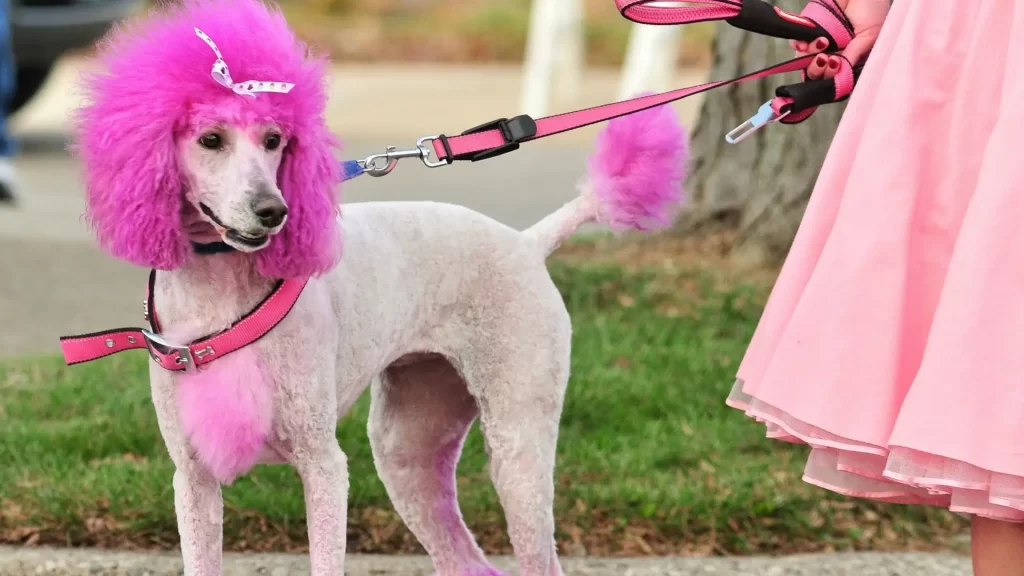
Because Poodle and other curly-coated breeds often have longer-lasting grooming styles, color may remain visible for a period of time depending on the product and haircut.
Always follow the manufacturer’s instructions rather than assuming a color will last for a specific number of days or weeks.
Common Risks of Dyeing Dog Fur
Although coloring can be visually appealing, there are potential risks.
Skin Irritation
Some dogs may develop redness, itching, or irritation after exposure to a coloring product.
Allergic Reaction
A dog may react to an ingredient even if the product has been used safely on another dog.
Signs such as facial swelling, widespread hives, breathing difficulty, or severe weakness require urgent veterinary attention.
Licking and Ingestion
Dogs naturally groom themselves by licking their fur. This creates a risk of swallowing coloring products.
Use only products intended for dogs and follow all safety instructions.
Prevent your dog from licking freshly treated areas if the product instructions require this.
Eye Irritation
Products accidentally getting into the eyes can cause significant discomfort.
Never apply coloring directly around the eyes or use products that are not intended for that area.
Stress
Some dogs dislike prolonged grooming sessions.
If your dog becomes frightened or distressed, forcing the procedure can create a negative association with grooming.
Your dog’s comfort should always come first.
When Should You Avoid Dyeing Your Dog’s Fur?
Not every dog is a suitable candidate for fur coloring.
Avoid or postpone dog fur dyeing if your dog:
-
Has irritated or damaged skin
-
Has an active skin infection
-
Is experiencing severe itching
-
Has unexplained hair loss
-
Has recently undergone a medical procedure
-
Is extremely anxious during grooming
-
Has a known sensitivity to grooming products
-
Is too young for the product’s recommended use
If your dog has an underlying medical condition, ask your veterinarian before introducing a new grooming product.
Professional Dog Fur Dyeing
For complex coloring, professional grooming can be a safer choice.
An experienced groomer can help with:
-
Coat preparation
-
Product selection
-
Controlled application
-
Color placement
-
Avoiding sensitive areas
-
Safe rinsing and drying
-
Creative grooming designs
Professional grooming is particularly useful when working with long, thick, or curly coats.
If you want a colorful design for a special event, choose a groomer who has experience with pet-safe coloring rather than someone who primarily works with human hair.
What to Do If Your Dog Reacts to Hair Dye
If your dog develops mild irritation after using a coloring product, stop the procedure and follow the product’s recommended removal instructions.
Contact your veterinarian if symptoms persist or worsen.
Seek urgent veterinary care if your dog experiences:
-
Facial swelling
-
Difficulty breathing
-
Severe weakness
-
Repeated vomiting
-
Collapse
-
Severe skin reaction
-
Significant eye irritation
Do not apply additional chemicals or home remedies to try to neutralize the reaction unless instructed by a veterinary professional.
How to Keep a Dyed Dog’s Coat Healthy
After coloring, continue normal coat care.
Regularly:
-
Brush the coat gently
-
Check the skin for irritation
-
Keep the coat clean
-
Dry the fur thoroughly
-
Prevent severe matting
-
Monitor for excessive licking or scratching
Remember that healthy skin and coat condition are more important than maintaining a particular color.
Final Thoughts
Dog fur dyeing can be an enjoyable part of creative grooming, but safety should always come before appearance.
Use only products specifically formulated for dogs, avoid human hair dye, check the condition of your dog’s skin before coloring, and keep products away from sensitive areas. Never ignore signs of irritation or an allergic reaction.
If you are inexperienced with pet coloring or want to create a complicated design, consider working with a professional groomer.
A beautiful coat is great, but a comfortable, healthy, and stress-free dog should always be the top priority.
Frequently Asked Questions
Can I use human hair dye on my dog?
No. Human hair dye is not designed for dogs and may contain ingredients that can irritate their skin or cause problems if swallowed.
What type of dye is safe for dogs?
Use only a coloring product specifically formulated and labeled for dogs. Follow the manufacturer’s instructions carefully.
Can I dye my dog’s fur at home?
Some simple coloring procedures may be possible at home when using an appropriate pet-safe product. However, professional grooming is recommended for complex designs or difficult-to-handle dogs.
How long does dog fur dye last?
It depends on the type of product, coat characteristics, bathing routine, and hair growth. Temporary products generally fade over time.
Can I dye a dog’s face?
Extra caution is required around the face. Dye should never get into the eyes, nose, or mouth. For facial designs, professional grooming is recommended.
Should I dye my dog if they have sensitive skin?
It is generally better to avoid coloring irritated or damaged skin. If your dog has a history of skin sensitivity, discuss the plan with your veterinarian first.
What should I do if my dog develops a reaction to dye?
Stop using the product and seek veterinary advice if irritation persists or significant symptoms develop. Facial swelling, breathing difficulty, collapse, or severe reactions require urgent veterinary attention.