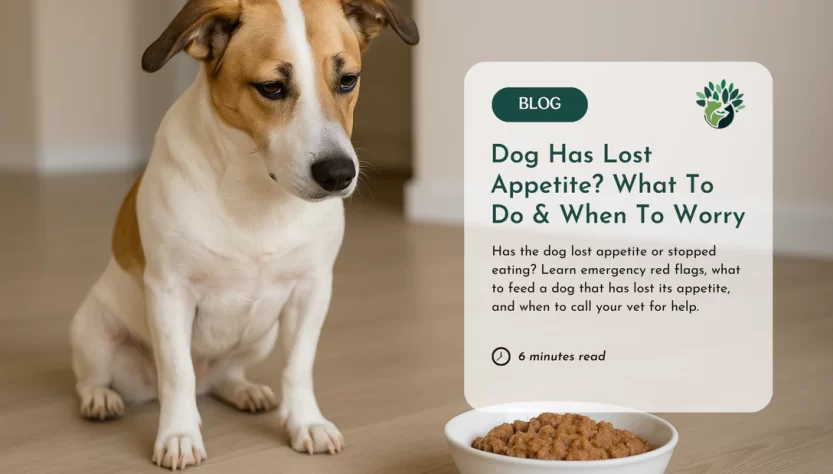
Loss of appetite in dogs is a fairly common problem that many pet owners encounter. This isn’t just a simple sign of picky eating; it can also reflect the dog’s health, psychological state, or living environment. To help you understand, this article is divided into clear sections.
- What is Loss of Appetite in Dogs?
Loss of appetite is a condition where a dog has a reduced or complete loss of appetite compared to normal. Symptoms may include eating less, skipping meals, only eating favorite foods, or even not eating for days at a time. If this condition persists, it can seriously affect the dog’s health.
2. Signs of Loss of Appetite in Dogs
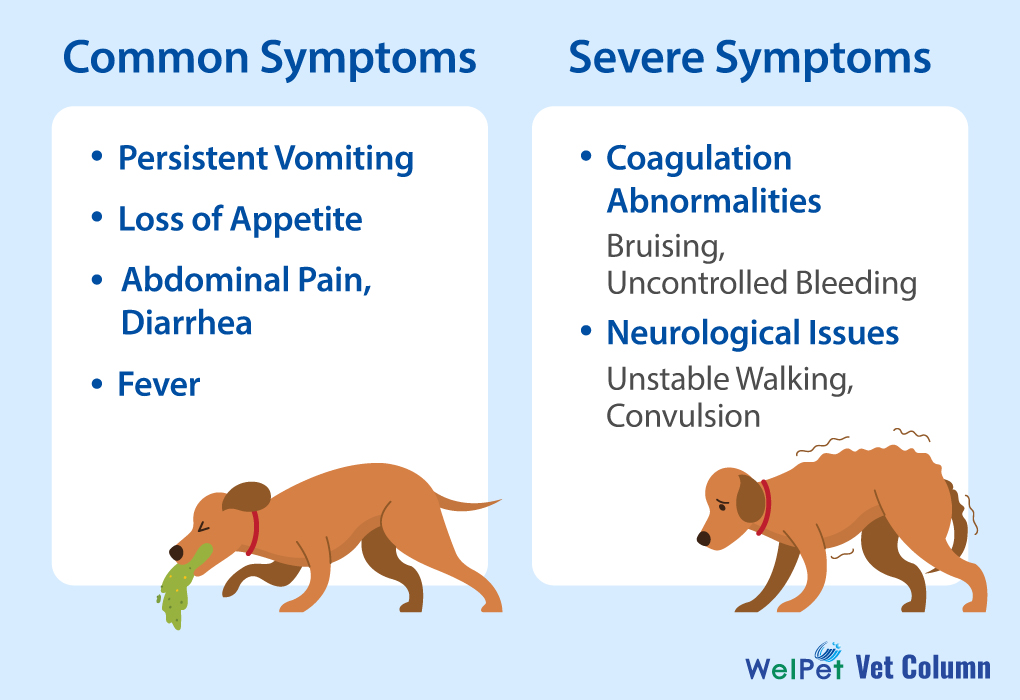
Pet owners can recognize this condition through several signs such as:
Dogs eating little or not eating for 1-2 days
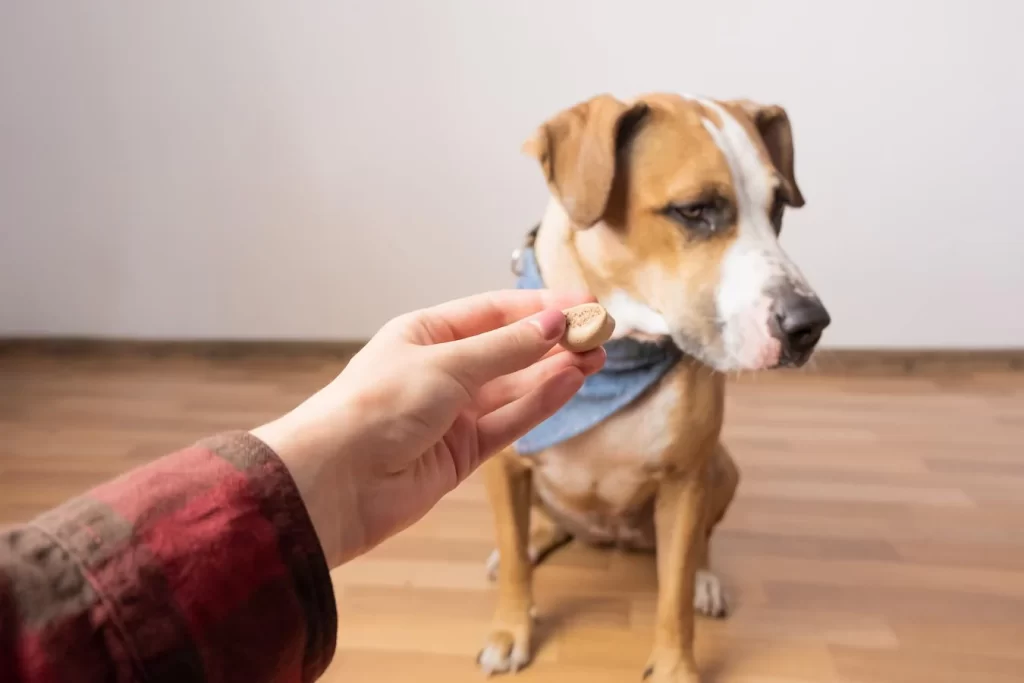
Sniffing food but not eating
Significant weight loss
Fatigue, reduced activity
May be accompanied by vomiting or diarrhea
Early recognition helps you take timely action, preventing the situation from prolonging.

- Causes of Loss of Appetite in Dogs
3.1. Illness-related causes
This is the most common and dangerous cause. Some diseases that can cause loss of appetite in dogs include:
Digestive diseases (enteritis, digestive disorders)
Parasitic infections such as worms and flukes
Dental diseases (gingivitis, toothache)
Liver disease, kidney disease, or infections
When sick, dogs often exhibit other unusual signs.
3.2. Due to environmental changes
Dogs are sensitive and easily stressed when:
Moving house, changing owners
Having new pets in the house
Noisy, uncomfortable environment
Stress can cause dogs to lose their appetite for a period of time.
3.3. Due to diet
Some common mistakes made by owners:
Feeding too many treats
Frequently changing food
Feeding human food (high in spices, oil, and fat)
This can easily lead to picky eating or digestive problems.
3.4. Due to age
Puppies may lose their appetite when teething
Older dogs have a reduced sense of taste and poor digestion, so they eat less.
- When should you worry?
Not all cases of loss of appetite are dangerous. However, you need to pay special attention if:
The dog completely stops eating for more than 2 days
There are signs of fever, vomiting, or diarrhea
Rapid weight loss
Lethargy, reduced responsiveness
In these cases, you should take your dog to the veterinarian for examination.
- How to handle a dog’s loss of appetite
5.1. Adjusting the diet
Feed at regular times, don’t leave food out all day
Limit snacks
Don’t change the food too often
5.2. Increasing the appeal of the food
Mix dry food with wet food
Gently heat to enhance the aroma
Add unseasoned meat broth
5.3. Reducing stress for the dog
Create a quiet, clean environment
Spend time playing and interacting with the dog
Avoid sudden changes in the environment
5.4. Regular health check-ups
Regular deworming
Complete vaccinations
Veterinary examination when there are unusual signs - How to prevent loss of appetite
To limit this situation, owners should:
Establish a nutritionally balanced diet
Maintain regular eating habits
Avoid over-spoiling your dog, which can lead to picky eating
Monitor weight and health regularly
- Conclusion
Loss of appetite in dogs should not be taken lightly. It can stem from simple causes such as environmental changes, but it can also be a sign of a dangerous disease. Careful observation, understanding the cause, and appropriate treatment will help your pet recover quickly. A proper and scientific care regimen is the key to keeping your dog healthy and eating well.