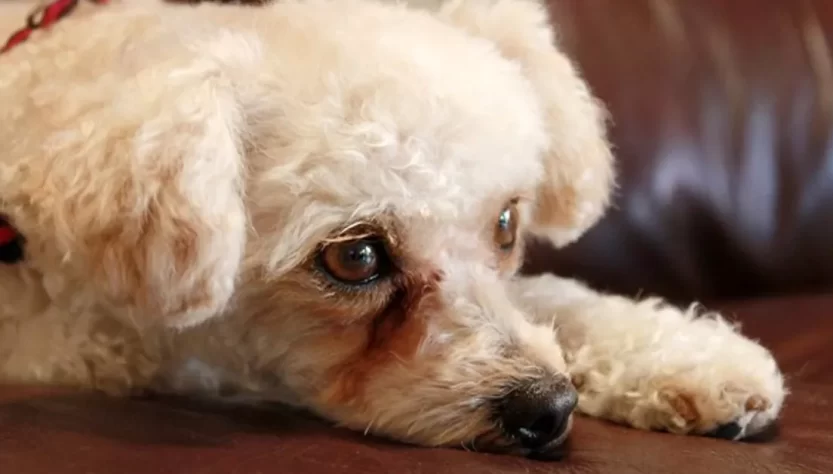
Tear stains are a common grooming concern for many Poodle owners. Those reddish-brown or rust-colored marks around the eyes can make an otherwise clean and beautifully groomed Poodle look messy.
Because Poodles have curly facial hair, moisture from the eyes can easily remain around the inner eye area. Over time, the damp hair may develop visible discoloration.
But tear stains are not always just a cosmetic issue. Excessive tearing can sometimes be associated with eye irritation, allergies, blocked tear drainage, or other underlying problems.
In this guide, we will explain what Poodle tear stains are, why they happen, how to keep the eye area clean, how grooming can help, and when you should ask a veterinarian for advice.
What Are Poodle Tear Stains?
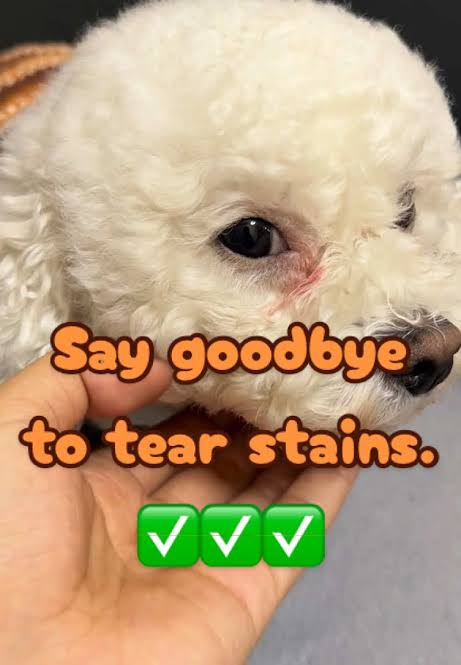
Poodle tear stains are reddish-brown or rust-colored discolorations that appear on the hair beneath or around the eyes.
They are caused by repeated moisture from tears contacting the facial hair.
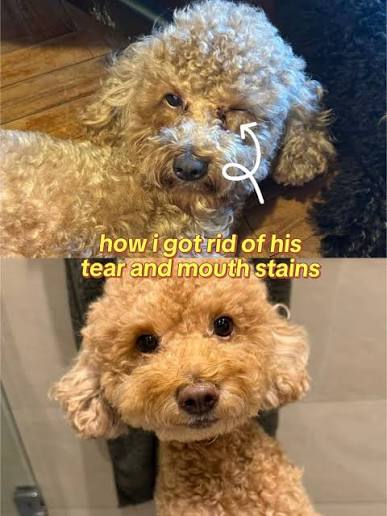
The discoloration can become more noticeable on light-colored Poodles, especially white, cream, or apricot coats.
Some Poodles have only a small amount of staining, while others may develop more visible discoloration.
It is important to distinguish between ordinary tear staining and excessive tearing caused by a medical problem.
Why Do Poodles Get Tear Stains?
There is no single cause of tear staining.
Several factors may contribute to the appearance of stained facial hair.
1. Natural Tear Production
All healthy dogs produce tears to keep the eyes lubricated.
Some Poodles naturally have more visible moisture around the eyes than others.
2. Facial Hair
Poodle facial hair can retain moisture close to the skin.
Curly hair may stay damp longer, making staining more noticeable.
3. Eye Irritation
Dust, hair, foreign particles, or other irritants may cause increased tearing.
If your Poodle suddenly starts tearing much more than usual, investigate the cause rather than treating the staining as purely cosmetic.
4. Tear Drainage
Tears normally drain through small channels near the eyes.
If tear drainage is not functioning normally, excess tears may overflow onto the facial hair.
5. Allergies or Environmental Factors
Some dogs may experience increased tearing associated with environmental or other sensitivities.
The cause can vary from dog to dog.
6. Facial Grooming
Long hair around the eyes may come into contact with the eye and contribute to irritation.
Keeping facial hair neatly groomed can help, but trimming around the eyes requires extra care.
Are Tear Stains Normal in Poodles?
A small amount of staining can occur in otherwise healthy dogs.
However, persistent excessive tearing should not automatically be considered normal.
If your Poodle develops sudden or significant tearing, redness, swelling, discharge, squinting, or obvious discomfort, veterinary evaluation is appropriate.
The goal should not simply be to make the hair look cleaner. It is also important to understand why the eyes are producing excessive moisture.
How to Clean Poodle Tear Stains Safely
Regular gentle cleaning can help keep the area around the eyes cleaner.
Step 1: Prepare a Clean Cloth
Use a soft, clean cloth or a pet-safe eye-area cleaning product.
Avoid harsh household cleaners.
Step 2: Moisten the Cloth
Use appropriate clean water or a product specifically designed for cleaning around a dog’s eyes.
Do not use products containing ingredients that are not intended for pets.
Step 3: Wipe Gently
Gently wipe the damp hair beneath the eye.
Avoid rubbing directly across the eyeball.
Use a clean section of the cloth for each eye.
Step 4: Dry the Area
After cleaning, gently pat the hair dry.
Keeping the surrounding facial hair reasonably clean and dry can help reduce the accumulation of moisture.
How Often Should You Clean a Poodle’s Face?
The ideal frequency depends on how much tearing your Poodle has.
For a dog with mild staining, a quick daily check may be enough.
For a Poodle with more noticeable moisture, the area may need gentle cleaning more frequently.
The important point is to avoid aggressive or excessive rubbing.
A simple routine can include:
Check → Clean gently → Dry → Monitor
If tearing remains excessive despite routine cleaning, speak with your veterinarian.
How Grooming Can Help With Tear Stains
Good grooming can make the eye area easier to maintain.
Keep Facial Hair Manageable
Long facial hair can trap moisture.
A professional groomer can help maintain an appropriate length while keeping the area around the eyes safe.
Brush the Face Carefully
Use a suitable grooming brush or comb to keep nearby facial hair free from tangles.
Do not pull tangled hair close to the eye.
Keep the Face Dry
After drinking, bathing, or outdoor activities, check whether moisture has collected around the muzzle and eyes.
Clean Grooming Tools
Dirty grooming tools can transfer dirt and debris back onto a freshly cleaned face.
Wash and maintain grooming tools regularly.
Can You Cut the Hair Around a Poodle’s Eyes?
Facial trimming requires extra caution.
The skin and eyes around this area are delicate, and a sudden movement can cause an accident.
If you have professional grooming experience, appropriate tools and safe handling are essential.
For beginners, it is safer to have a professional groomer maintain hair close to the eyes.
Do not use sharp household scissors near your dog’s eyes.
Common Poodle Tear Stain Mistakes
Rubbing Too Hard
Aggressive rubbing can irritate the skin and make the area more uncomfortable.
Using Human Products
Human cosmetics, facial cleansers, makeup removers, and other products may not be suitable for dogs.
Use products specifically intended for pets when necessary.
Cutting Hair Too Close to the Eye
Trying to remove every stained hair with scissors can create an unnecessary safety risk.
Ignoring Excessive Tearing
Tear stains are visible, but the underlying cause may not be.
If tearing suddenly increases, investigate the reason.
Trying Random Home Remedies
Online advice may recommend various household ingredients for tear stains.
Avoid applying unverified substances around your dog’s eyes.
The eye area is sensitive, and inappropriate products can cause irritation.
Can Diet Cause Poodle Tear Stains?
Diet is sometimes discussed as a possible factor in tear staining.
However, tear staining can have many possible causes, and it is not appropriate to assume that a particular food is responsible without considering the individual dog.
If you suspect a food-related issue or your dog has other symptoms, discuss the situation with a veterinarian before making major dietary changes.
Avoid unnecessary restrictive diets simply because of cosmetic staining.
Poodle Tear Stains and White Coats
Tear staining is especially noticeable on white Poodles.
Even a small amount of moisture can create a visible contrast against a white coat.
This does not necessarily mean that white Poodles produce more tears.
The difference is often simply more visible.
For white-coated Poodles, consistent facial hygiene and regular grooming can help maintain a cleaner appearance.
How to Prevent Poodle Tear Stains
You cannot always prevent tear staining completely, but you can maintain good facial hygiene.
Try the following:
- Check the eyes every day.
- Keep facial hair neatly maintained.
- Clean visible moisture gently.
- Dry the area after cleaning.
- Keep grooming tools clean.
- Keep food and water bowls clean.
- Maintain regular grooming.
- Monitor changes in tearing.
- Seek veterinary advice when symptoms are unusual or persistent.
Prevention is more about consistent care than finding a single miracle product.
Poodle Puppy Tear Stains
Puppies may also develop moisture around the eyes.
This is a good time to introduce gentle facial handling.
Teach your puppy to accept:
- Having the face touched
- Gentle wiping
- Looking at the eyes
- Brushing facial hair
- Short grooming sessions
Reward calm behavior.
Early grooming practice can make future facial care much easier.
When Should You See a Veterinarian?
Tear staining itself may be cosmetic, but certain signs should not be ignored.
Contact a veterinarian if you notice:
- Excessive or sudden tearing
- Red eyes
- Swelling
- Squinting
- Frequent pawing at the eyes
- Thick or unusual discharge
- Cloudiness of the eye
- Signs of pain
- A sudden change in eye appearance
- Persistent irritation
These symptoms can have different causes and may require professional examination.
Do not attempt to diagnose an eye condition based only on the appearance of tear stains.
Poodle Tear Stains: Grooming Routine
A simple routine can help you stay on top of facial care.
Morning
Check the eyes and remove visible moisture gently if necessary.
During the Day
Check the face after outdoor activities or when your Poodle has been drinking.
Evening
Inspect the facial hair and gently clean any accumulated moisture.
Weekly
Brush the facial hair carefully and check for tangles.
During Professional Grooming
Ask your groomer to maintain an appropriate facial shape and manageable hair length.
Poodle Tear Stain Checklist
Use this simple checklist:
- Check the eyes regularly
- Remove visible moisture gently
- Keep facial hair manageable
- Brush carefully
- Keep the face reasonably dry
- Clean grooming tools
- Avoid human cleaning products
- Avoid unverified home remedies
- Monitor excessive tearing
- Contact a veterinarian when concerning symptoms appear
Final Thoughts
Poodle tear stains can be frustrating, especially when they appear on a light-colored coat. However, the best approach is not simply to focus on removing the discoloration.
Regular facial grooming, gentle cleaning, keeping the area dry, and maintaining manageable facial hair can help improve everyday hygiene.
At the same time, excessive or sudden tearing should not be treated as merely a cosmetic problem.
If your Poodle shows redness, swelling, unusual discharge, squinting, pain, or persistent excessive tearing, consult a veterinarian.
A clean face is nice to see, but healthy eyes are always more important than a perfectly white coat.
Frequently Asked Questions
How do I clean tear stains on my Poodle?
Gently clean the hair around the eyes with a soft, clean cloth or a pet-safe product intended for the eye area. Avoid rubbing the eyeball and dry the surrounding hair afterward.
Why does my Poodle have brown stains under the eyes?
Repeated moisture from tears can discolor light-colored facial hair, creating reddish-brown or rust-colored staining. Excessive tearing may have several possible causes.
Can tear stains be completely removed?
Existing discoloration may take time to grow out as new hair replaces stained hair. The more important goal is to keep the area clean and investigate excessive tearing when present.
Can I use human products to remove Poodle tear stains?
It is safer to avoid human cosmetics and cleaning products around your dog’s eyes. Use products specifically formulated for dogs when needed.
Should I trim the hair around my Poodle’s eyes?
Keeping facial hair manageable can help with grooming, but trimming close to the eyes requires care. Beginners should consider professional grooming for this area.
Are Poodle tear stains a health problem?
Tear staining can be cosmetic, but excessive tearing may be associated with an underlying issue. If you notice sudden or persistent tearing or other eye symptoms, consult a veterinarian.
How often should I clean my Poodle’s tear stains?
Check the eye area daily and gently clean visible moisture as needed. Avoid excessive rubbing or cleaning.
Can Poodle puppies get tear stains?
Yes. Puppies can develop moisture and staining around the eyes. Early, gentle grooming training can help them become comfortable with facial care.