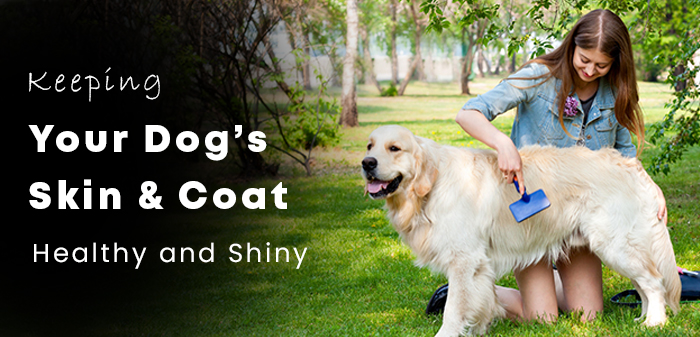
A coat is not just about “outward beauty” but also reflects a dog’s overall health. A dog with a long, soft, and shiny coat is usually properly cared for in terms of nutrition, hygiene, and living environment. If you want to improve the condition of your pet’s dry, slow-growing, or easily shedding coat, the article below will help you understand how to care for it effectively.
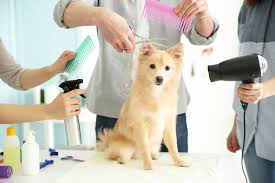
- Why is my dog’s coat slow to grow and not shiny?
Before looking for ways to improve it, you need to understand the reasons why your dog’s coat grows poorly:
Nutritional deficiencies, especially protein and vitamins
Improper or too frequent bathing
Infrequent brushing
Parasites such as ticks and fleas
Environmental or weather influences
Once you identify the correct cause, you will easily choose the appropriate solution.
- Nutrition to help coat grow faster and shinier
2.1. 1. Supplementing with High-Quality Protein
Protein is the main component of fur. You should feed your dog:
Chicken, beef, and fish
Eggs (boiled)
Organs (in moderation)
Protein helps strengthen fur, reduce breakage, and stimulate faster growth.
2.2. Supplementing with Good Fats (Omega 3, 6)
Omega 3 and 6 play an important role in softening and adding shine to the coat. Sources include:
Fish oil
Salmon
Olive oil (in small amounts)
These nutrients significantly improve the shine and smoothness of the coat.
2.3. Vitamins and Minerals
Vitamins such as A, E, and B-complex help nourish healthy skin and fur. You can supplement them through:
Vegetables (carrots, pumpkin)
Dog supplements
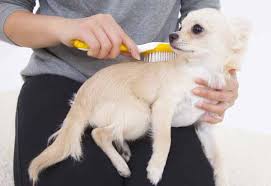
- Proper Grooming
3.1. Regular Brushing
Brushing not only removes dead hair but also stimulates blood circulation under the skin. You should:
Brush 1–2 times a day for long-haired dogs
Use a comb suitable for each coat type
This helps the fur grow evenly, reducing tangles and frizz.
3.2. Proper Bathing
Bathing too often can strip the skin of its natural oils. Note:
Bathe 1–2 times/week
Use a specialized dog shampoo
Do not use human shampoo
After bathing, dry your dog completely to prevent fungal infections.
3.3. Conditioning
You can use:
Specialized hair conditioner
Moisturizer spray
This helps keep the fur soft and reduces dryness and frizz.
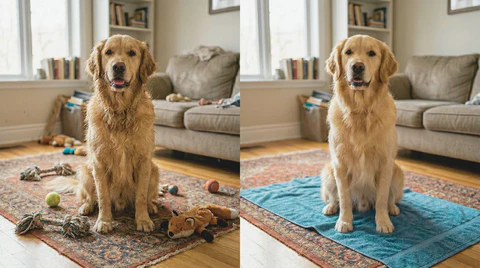
- Maintain a Clean Living Environment
The living environment directly affects coat quality:
Clean the living area regularly
Keep the sleeping area dry and well-ventilated
Avoid letting your dog sleep in damp places
In addition, check for and remove ticks and fleas regularly to prevent damage to the skin and coat.
- Regular Grooming
Many people think that you shouldn’t trim your dog’s fur if you want it to grow faster, but in reality:
Trimming helps remove damaged fur
Stimulates healthier new hair growth
You should trim your dog’s fur every 1-2 months depending on the breed.
- Exercise and Sunbathing
Physical activity and gentle morning sunlight help:
Improve blood circulation
Support vitamin D absorption
Help maintain healthy skin and better coat growth
You should give your dog 20-30 minutes of exercise every day.
- When to See a Veterinarian?
If, despite proper care, your dog’s fur still:
sheds excessively and unusually
has bald patches
the skin is red, inflamed, or has an unusual odor
You should take your dog to the vet for a check-up for skin or endocrine problems.
- Conclusion
To help your dog’s fur grow longer and healthier, a combination of factors is needed, from nutrition and care to the living environment. There’s no way to achieve beautiful fur instantly, but with consistent and effective methods, you’ll see noticeable improvement over time. A healthy and beautiful coat not only makes your pet look more adorable but is also a sign of a healthy and well-cared-for body.