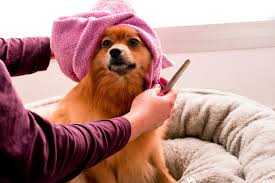
A beautiful coat not only makes your pet look adorable and attractive, but also directly reflects their internal health. To ensure your dog has a soft, thick, and healthy coat, owners need to pay attention to many factors such as nutrition, hygiene, living environment, and daily grooming habits. Below are some important ways to help you care for your dog’s coat to keep it in the best condition.
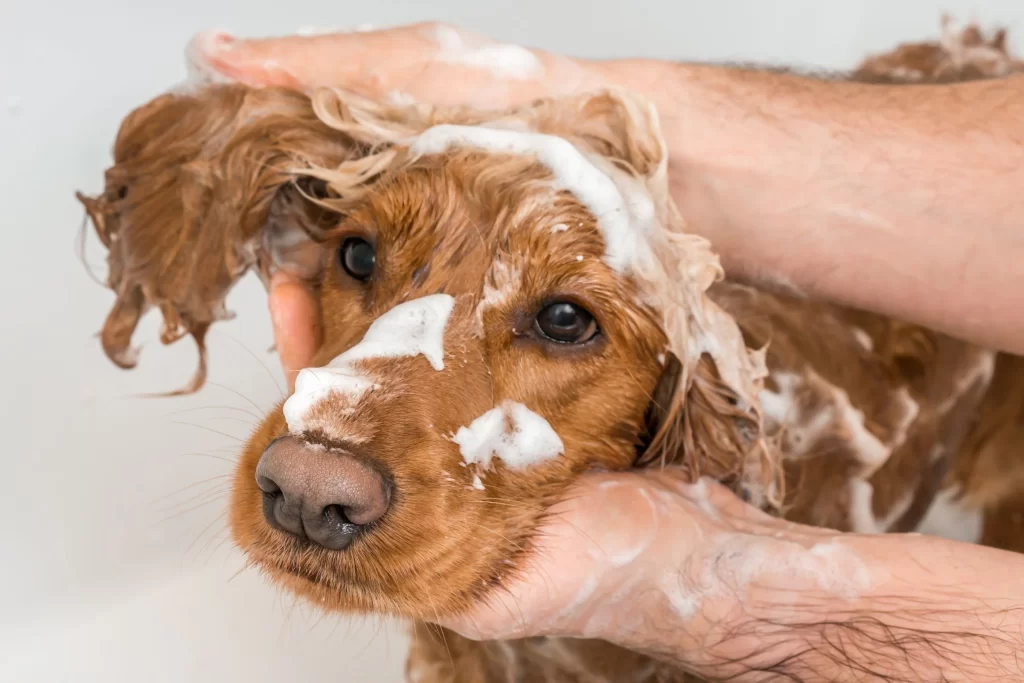
First, nutrition is the core factor determining coat quality. A diet rich in protein, vitamins, and minerals will help the coat grow strong from the root. Protein is the main component of fur, so you should supplement with quality protein sources such as chicken, beef, fish, or eggs. In addition, fatty acids like Omega-3 and Omega-6 play a role in keeping the coat soft, smooth, and healthy. These nutrients are often found in salmon, fish oil, or some types of nuts. If your dog eats commercial dog food, choose a premium type that is fortified with nutrients for skin and coat health.
In addition, providing vitamins is also very important. Vitamins such as A, E, and B vitamins help nourish healthy skin, which in turn helps the coat grow evenly and reduces shedding. You can supplement these through fruits and vegetables like carrots and pumpkins, or through pet-specific supplements. However, it’s crucial to use the correct dosage to avoid adverse effects.
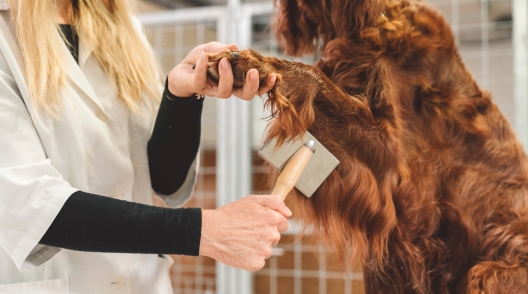
Regular brushing is an essential habit. This not only removes loose hair and dirt but also stimulates blood circulation under the skin, helping the coat grow faster and thicker. Depending on the breed, you can brush daily or several times a week. For long-haired breeds like Poodles, daily brushing is essential to prevent tangling and frizz.
Proper bathing also plays a vital role in maintaining a beautiful coat. You shouldn’t bathe your dog too often as this can strip away the natural oils that protect the skin. On average, you should bathe your dog about 1–2 times a month, or when the dog is really dirty. Use a pet-specific shampoo to avoid skin irritation. After bathing, thoroughly dry and blow-dry your dog’s fur to prevent mold, odor, and skin diseases.
Another often overlooked factor is the living environment. A dog’s living space needs to be clean, dry, and well-ventilated. If a dog frequently lies in a damp or dirty place, its fur will become matted, smelly, and prone to skin diseases such as fungal infections and fleas. Therefore, you should clean your dog’s living space regularly and check its skin and fur periodically.
In addition, exercise and sunbathing help improve coat quality. Gentle morning sunlight helps the body synthesize vitamin D, supports calcium absorption, and improves overall health. When the body is healthy, the fur will also grow better. Regular exercise also helps improve blood circulation, effectively nourishing hair follicles.
An important note is to control parasitic problems such as fleas, ticks, or fungal skin infections. These factors not only cause itching but also lead to excessive shedding, dry and unsightly fur. You should use preventative products regularly and take your dog to the veterinarian if you notice any unusual signs.
Regular grooming also helps keep the coat neat and healthy. Removing damaged fur allows new, healthier fur to grow. For breeds that need styling, like Poodles, grooming helps maintain their characteristic appearance and prevents tangling.
Finally, monitor your dog’s coat regularly. If you notice unusual shedding, redness, peeling, or a strange odor, it could be a sign of illness or nutritional deficiencies. In that case, you should adjust the diet or take your dog to the veterinarian for advice.
In short, to have a beautiful coat for your dog, you need to combine many factors from nutrition and hygiene to daily care. A dog with a shiny coat is not only aesthetically pleasing but also a sign of good health and proper care.