Yellow Teeth in Belgian Malinois: Effective and Safe Treatment
Belgian Malinois dogs are active, intelligent, and energetic companions. While owners often focus on exercise, training, nutrition, and coat care, dental health is equally important. Yellow teeth are a common concern among dog owners and may indicate plaque or tartar buildup that should not be ignored.
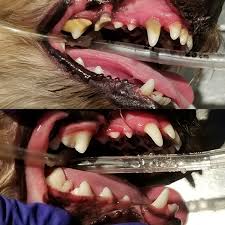
If your Belgian Malinois has yellow teeth, there are several safe ways to improve oral hygiene and prevent dental problems from becoming more serious. However, the right approach depends on whether the discoloration is simple plaque, hardened tartar, or a sign of an underlying dental condition.
This guide explains the common causes of yellow teeth in Belgian Malinois dogs, safe treatment options, and practical ways to maintain healthy teeth and gums.
Why Do Belgian Malinois Dogs Have Yellow Teeth?
The most common reason for yellow teeth is the accumulation of plaque and tartar.
Plaque is a sticky film containing bacteria that develops naturally on the surface of teeth. If it is not removed regularly, it can harden into tartar. Tartar is more difficult to remove and may contribute to gum irritation and periodontal disease.
Other possible reasons for yellow or discolored teeth include:
-
Tartar buildup
-
Poor dental hygiene
-
Food residue
-
Gum disease
-
Damaged teeth
-
Natural tooth discoloration
-
Certain medical conditions
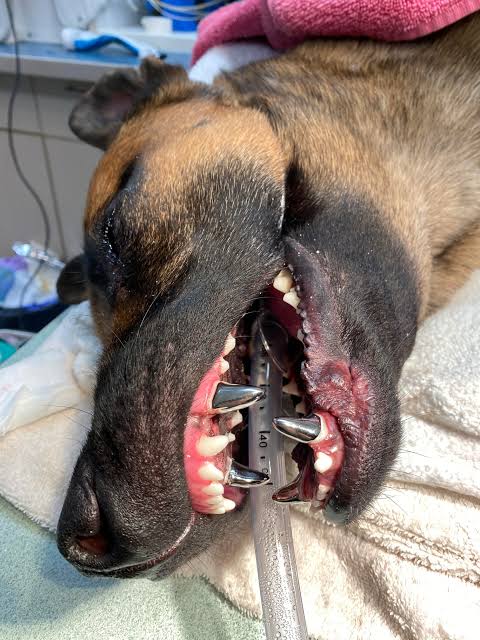
A small amount of yellowing near the gumline may be associated with plaque or tartar, but significant discoloration should be evaluated by a veterinarian.
Is Yellow Teeth in Belgian Malinois a Sign of a Problem?
Yellow teeth do not always mean that your Belgian Malinois has a serious disease. Mild staining may simply indicate that dental cleaning is needed.
However, yellow or brown buildup accompanied by other symptoms can indicate a more significant oral health problem.
Watch for:
-
Bad breath
-
Red or swollen gums
-
Bleeding gums
-
Excessive drooling
-
Difficulty chewing
-
Dropping food
-
Loose teeth
-
Swelling around the mouth
-
Reduced appetite
-
Pain when the mouth is touched
If you notice these symptoms, professional veterinary evaluation is recommended.
Plaque and Tartar: The Most Common Causes
Understanding the difference between plaque and tartar is important for effective dental care.
Plaque
Plaque develops continuously on a dog’s teeth. Regular brushing can help remove plaque before it becomes hardened.
Tartar
When plaque remains on the teeth, minerals in saliva can cause it to harden into tartar. Once tartar has firmly accumulated, brushing alone may not remove it completely.
This is why prevention is generally easier than trying to remove heavy tartar later.
How to Treat Yellow Teeth in Belgian Malinois Dogs
The best treatment depends on the condition of your dog’s teeth.
For mild plaque or early staining, a consistent home dental-care routine may help. For significant tartar, gum disease, or painful teeth, professional veterinary care may be necessary.
Here are some of the safest approaches.
1. Brush Your Belgian Malinois’s Teeth Regularly
Regular tooth brushing is one of the most useful ways to control plaque.
Use a toothbrush specifically designed for dogs and toothpaste formulated for canine use.
Never use ordinary human toothpaste unless specifically directed by a veterinary professional, because some human toothpaste ingredients may be unsafe for dogs.
How to Introduce Tooth Brushing
If your Belgian Malinois is not accustomed to having its teeth brushed, start slowly.
First, allow your dog to become comfortable with having its mouth and gums gently touched. Then introduce a small amount of dog-safe toothpaste.
Once your dog accepts this routine, gently brush the outer surfaces of the teeth using small, controlled movements.
Keep sessions short at first and gradually increase the duration.
2. Choose the Right Dog-Safe Dental Products
There are many dental products available for dogs, including:
-
Dog toothbrushes
-
Canine toothpaste
-
Dental wipes
-
Dental chews
-
Veterinary-recommended oral-care products
The most important consideration is choosing products that are appropriate for dogs and using them according to their instructions.
Dental products can support oral hygiene, but they should not be considered a replacement for professional veterinary care when significant tartar or gum disease is present.
3. Provide Appropriate Dental Chews
Some dental chews are designed to help mechanically reduce plaque through chewing.
However, not every chew is suitable for every dog.
Choose products appropriate for your Belgian Malinois’s size and chewing habits. Avoid extremely hard objects that could potentially damage teeth.
Dental chews should be viewed as an additional part of an oral-care routine rather than the only method of cleaning your dog’s teeth.
4. Consider Professional Dental Cleaning
If your Belgian Malinois already has significant tartar buildup, home brushing may not be enough.
A veterinarian can examine the mouth and determine whether professional dental cleaning is appropriate.
Professional dental care may be recommended when there is:
-
Heavy tartar
-
Significant gum inflammation
-
Persistent bad breath
-
Loose or damaged teeth
-
Oral pain
-
Suspected periodontal disease
Your veterinarian can also assess areas of the mouth that may not be visible during normal home care.
What Not to Use on Your Dog’s Teeth
When trying to remove yellow teeth, avoid unsafe home methods.
Do not use:
-
Human toothpaste
-
Household cleaning products
-
Strong chemicals
-
Abrasive substances
-
Sharp tools to scrape tartar
-
Unverified whitening products
Trying to scrape tartar from your dog’s teeth with sharp instruments can injure the gums or damage the tooth surface.
If tartar is firmly attached, professional dental cleaning is a safer option.
How to Prevent Yellow Teeth in Belgian Malinois
Prevention is one of the best ways to maintain good dental health.
Start Dental Care Early
Introduce your Belgian Malinois to tooth brushing when it is young. Early training can make dental care easier throughout its life.
Brush Consistently
Daily brushing is ideal for controlling plaque. If daily brushing is not possible, establishing a regular routine is still better than brushing occasionally.
Monitor Your Dog’s Mouth
Check your dog’s teeth and gums regularly. Look for changes in color, swelling, bleeding, unusual odor, or damaged teeth.
Schedule Veterinary Checkups
Routine veterinary examinations provide an opportunity to identify dental problems before they become more serious.
How Often Should You Clean Your Belgian Malinois’s Teeth?
Ideally, your Belgian Malinois’s teeth should be brushed every day.
Daily brushing helps remove plaque before it has an opportunity to harden into tartar.
If your dog strongly resists brushing, introduce the process gradually. Start with a few seconds and reward calm behavior. Over time, many dogs can become comfortable with the routine.
Consistency is more important than trying to complete a long brushing session once in a while.
Signs of Dental Problems to Watch For
Dental problems can develop gradually, so owners should pay attention to subtle changes.
Some warning signs include:
-
Persistent bad breath
-
Yellow or brown tartar
-
Red gums
-
Bleeding when chewing
-
Difficulty eating
-
Chewing on one side of the mouth
-
Excessive drooling
-
Loose teeth
-
Swollen face
-
Changes in appetite
If your Belgian Malinois suddenly stops eating, appears to be in pain, or develops facial swelling, contact a veterinarian promptly.
A Simple Dental Care Routine for Belgian Malinois
A simple routine can make oral care easier.
Daily:
Brush your dog’s teeth with a dog-safe toothbrush and toothpaste.
Several times a week:
Check the teeth, gums, and mouth for unusual changes.
Regularly:
Provide appropriate dental products if they are suitable for your dog.
During veterinary visits:
Ask your veterinarian to examine your dog’s teeth and gums.
This consistent approach can help reduce plaque buildup and support better long-term oral health.
Final Thoughts
Yellow teeth in Belgian Malinois dogs are often associated with plaque and tartar buildup, but discoloration can have different causes. The safest approach is to identify the reason for the yellowing rather than trying to whiten the teeth with unproven home remedies.
Regular brushing with dog-safe dental products is one of the best ways to control plaque. Appropriate dental chews and routine veterinary examinations can provide additional support.
If your Belgian Malinois has heavy tartar, painful gums, loose teeth, persistent bad breath, or difficulty eating, professional veterinary evaluation is important.
Good dental care is not only about keeping your dog’s teeth looking clean. It is an essential part of helping your Belgian Malinois maintain good overall health and quality of life.