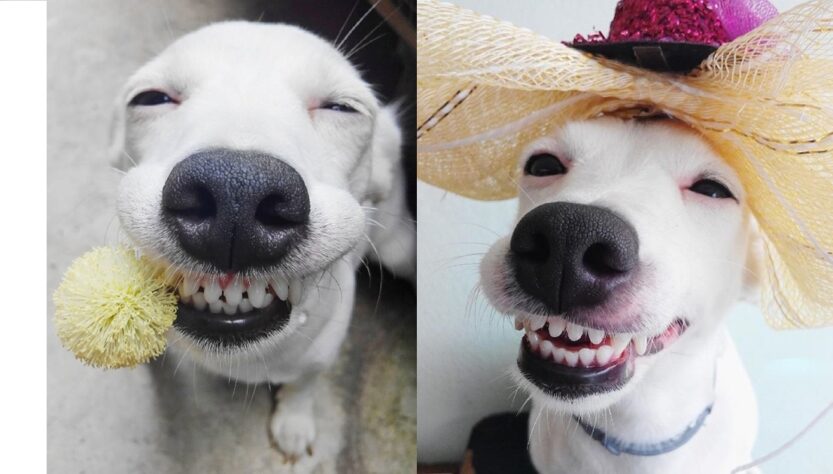
Effective Ways to Clean and Whiten Dog Teeth
A dog’s smile can tell you a lot about their health. Clean teeth, healthy gums, and fresh breath are important parts of good pet care. However, many dogs develop plaque, tartar, yellow teeth, and bad breath when dental hygiene is overlooked.
If your dog’s teeth have started to look yellow or brown, you may be wondering how to clean and whiten dog teeth safely. The good news is that a consistent dental-care routine can help reduce plaque, improve oral hygiene, and keep your dog’s teeth looking cleaner.
This guide explains effective and safe ways to clean your dog’s teeth, prevent tartar buildup, and maintain better dental health.
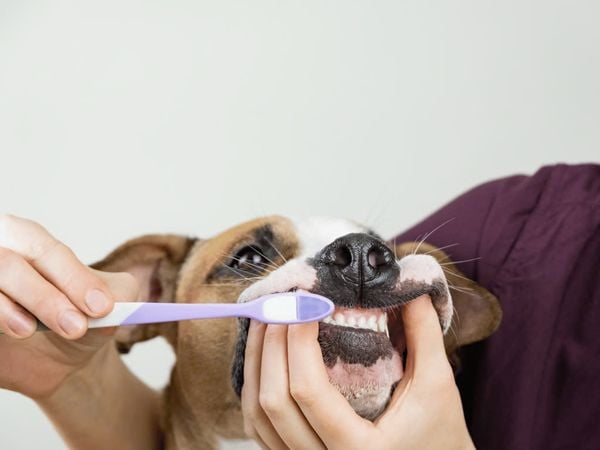
Why Is Dog Dental Care Important?
Dental care is an essential part of a dog’s overall health. Every day, bacteria and food particles can accumulate on the surface of the teeth, forming plaque.
If plaque is not regularly removed, it can harden into tartar. Tartar is much more difficult to remove and can contribute to gum inflammation and periodontal disease.
Common signs of poor dental health include:
-
Yellow or brown teeth
-
Plaque or tartar buildup
-
Bad breath
-
Red or swollen gums
-
Bleeding gums
-
Difficulty chewing
-
Dropping food
-
Excessive drooling
-
Loose or damaged teeth
Regular dental care can help identify these problems early and support your dog’s comfort and oral health.
What Causes Yellow Teeth in Dogs?
Yellow teeth do not always mean that a dog has severe dental disease.
Several factors can make a dog’s teeth appear yellow, including:
Plaque Buildup
Plaque is a thin layer of bacteria that forms naturally on teeth. Without regular cleaning, it can make the teeth look dull or yellow.
Tartar
When plaque becomes hardened, it forms tartar. Tartar can appear yellow, brown, or even dark near the gumline.
Age
Older dogs may naturally develop more tooth discoloration over time, especially if they have not had a consistent dental-care routine.
Poor Oral Hygiene
Dogs that rarely have their teeth brushed are more likely to develop plaque and tartar buildup.
If your dog’s teeth are significantly discolored or the gums appear unhealthy, a veterinary dental examination is recommended.
1. Brush Your Dog’s Teeth Regularly
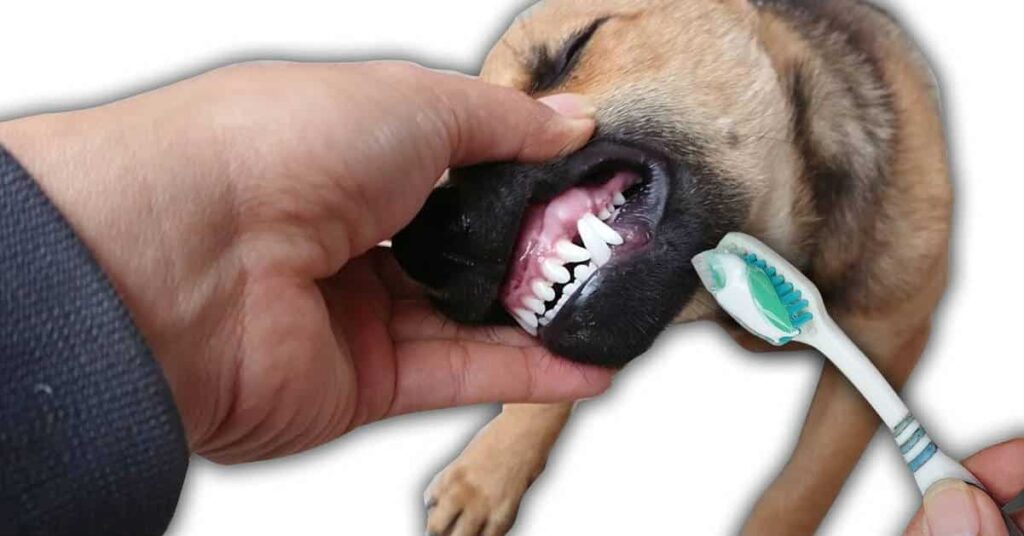
The most important step to clean dog teeth is regular brushing.
Brushing helps physically remove plaque before it hardens into tartar.
Start slowly if your dog is not accustomed to having their mouth handled.
How to Brush Your Dog’s Teeth
Follow these basic steps:
-
Let your dog smell and taste the dog toothpaste.
-
Gently touch the teeth and gums with your finger.
-
Introduce a soft dog toothbrush.
-
Lift the lips gently.
-
Brush the outer surfaces of the teeth using small, gentle movements.
-
Pay particular attention to the gumline.
-
Keep the first sessions short.
-
Gradually increase the brushing time as your dog becomes comfortable.
Daily brushing is ideal when possible. The most important thing is to establish a routine that you and your dog can maintain consistently.
2. Use Toothpaste Made for Dogs
Never use ordinary human toothpaste to clean your dog’s teeth.
Dogs may swallow toothpaste, and some human toothpaste ingredients are not appropriate for pets.
Choose a toothpaste specifically formulated for dogs. Many dog toothpastes come in flavors designed to make brushing easier and more enjoyable.
A dog-safe toothpaste combined with regular brushing can make dental care much more manageable.
3. Choose the Right Toothbrush
The right toothbrush can make brushing easier and more comfortable.
Options include:
-
Soft-bristled dog toothbrushes
-
Small toothbrushes designed for small breeds
-
Finger brushes
-
Long-handled pet toothbrushes
Choose a size that fits your dog’s mouth and allows you to reach the teeth comfortably.
For small breeds such as Poodles, a smaller brush may make it easier to reach the back teeth.
4. Use Dental Chews as a Supplement
Dental chews can be useful as part of a broader oral-care routine.
Depending on the product, chewing may help mechanically reduce some plaque buildup. However, dental chews should not be considered a replacement for regular brushing.
Choose products appropriate for your dog’s size and chewing habits, and always supervise your dog when introducing a new chew.
5. Consider Dental Diets and Oral-Care Products
Some specially formulated dental diets and veterinary-recommended oral-care products may help support dental hygiene.
These products can complement brushing, especially for dogs that are difficult to brush.
However, no single product can replace proper dental care. If your dog already has significant tartar, bad breath, or gum problems, consult a veterinarian rather than relying only on dental treats or food.
6. Clean Your Dog’s Teeth Consistently
Consistency is more important than occasionally brushing your dog’s teeth.
A simple routine could include:
Daily:
Brush your dog’s teeth and check for unusual changes.
Several times a week:
Inspect the gums, teeth, and mouth for plaque, tartar, redness, or swelling.
Regularly:
Replace worn toothbrushes and review dental products as needed.
During veterinary visits:
Ask your veterinarian to examine your dog’s teeth and gums.
Creating a routine early can make dental care much easier as your dog gets older.
7. How to Whiten Yellow Dog Teeth Safely
If your dog’s teeth are slightly yellow because of surface plaque, improving dental hygiene may help them look cleaner over time.
However, it is important to understand that whitening dog teeth is not simply a cosmetic process.
If yellow or brown areas are actually hardened tartar, brushing alone may not remove them completely. Professional veterinary dental cleaning may be necessary.
The safest approach is to focus on removing plaque, preventing new buildup, and maintaining healthy gums rather than trying to bleach the teeth.
Can You Remove Dog Tartar at Home?
You should not attempt to scrape hardened tartar from your dog’s teeth with sharp or metal tools at home.
Improper scraping can:
-
Damage tooth enamel
-
Injure the gums
-
Cause bleeding
-
Create discomfort
-
Miss dental disease below the gumline
If your dog has substantial tartar, your veterinarian can determine whether professional dental cleaning is appropriate.
What Not to Use to Whiten Dog Teeth
When searching for ways to clean and whiten dog teeth, avoid unsafe DIY methods.
Do not use:
-
Household bleach
-
Strong whitening chemicals
-
Human whitening products
-
Abrasive household cleaners
-
Unapproved acids or chemicals
-
Human toothpaste
-
Sharp objects to scrape tartar
These methods can cause oral irritation or other injuries.
Safe dog dental products and professional veterinary care are much better choices.
Signs Your Dog May Have a Dental Problem
Sometimes dental disease is not obvious at first.
Watch for changes such as:
Bad Breath
Persistent strong breath odor can be a sign of plaque, tartar, gum disease, or another oral problem.
Red or Bleeding Gums
Healthy gums should not regularly bleed during normal handling or eating.
Difficulty Eating
A dog with dental pain may chew slowly, drop food, avoid certain foods, or lose interest in eating.
Loose Teeth
Loose adult teeth can indicate significant dental disease or injury and should be examined by a veterinarian.
Facial Swelling
Swelling around the mouth or face can indicate a serious dental or other health problem and requires prompt veterinary attention.
Professional Dental Cleaning
Home dental care is excellent for prevention, but some dental problems require professional treatment.
A veterinarian can examine your dog’s mouth and determine whether professional dental cleaning is needed.
Professional care may be recommended when there is substantial tartar, gum disease, damaged teeth, or other oral problems that cannot be adequately addressed at home.
Regular professional examinations are especially important for older dogs and breeds that are prone to dental problems.
How to Prevent Yellow Teeth in Dogs
Prevention is easier than trying to remove advanced tartar later.
A good prevention routine includes:
-
Brush your dog’s teeth regularly.
-
Use dog-specific toothpaste.
-
Provide appropriate dental products.
-
Schedule routine veterinary examinations.
-
Monitor your dog’s breath and gums.
-
Avoid unsafe DIY whitening treatments.
-
Address dental problems as soon as you notice them.
Starting dental care when your dog is young can also make brushing much easier in adulthood.
Final Thoughts
Learning how to clean and whiten dog teeth safely starts with understanding the difference between surface staining and dental disease.
Regular brushing is one of the best ways to control plaque and maintain healthy teeth and gums. Dental chews, dental diets, and other appropriate products can complement brushing, but they should not replace a consistent oral-care routine.
If your dog’s teeth have significant yellow or brown tartar, the gums are red or bleeding, or your dog shows signs of pain when eating, professional veterinary care may be necessary.
Instead of trying harsh whitening methods, focus on long-term dental health. Clean teeth, healthy gums, and regular veterinary care can help your dog maintain a healthier and more comfortable smile.
Frequently Asked Questions
How can I clean my dog’s teeth at home?
Regular brushing with a soft dog toothbrush and dog-safe toothpaste is one of the most effective ways to clean your dog’s teeth at home.
How can I whiten my dog’s yellow teeth?
If discoloration is caused by plaque, improving regular dental hygiene may help. Hardened tartar usually requires professional veterinary cleaning rather than home whitening.
Can I use human toothpaste on my dog?
No. Human toothpaste is not designed for dogs. Use toothpaste specifically formulated for pets.
Can I scrape tartar off my dog’s teeth myself?
It is not recommended. Scraping tartar at home can injure the gums or damage the teeth. A veterinarian can safely assess and treat significant tartar buildup.
How often should I brush my dog’s teeth?
Daily brushing is ideal, but establishing a consistent routine is more important than occasional brushing. If your dog is new to dental care, introduce brushing gradually.
Are dental chews enough to keep my dog’s teeth clean?
Dental chews can complement a dental-care routine, but they should not be considered a complete replacement for brushing and veterinary dental examinations.