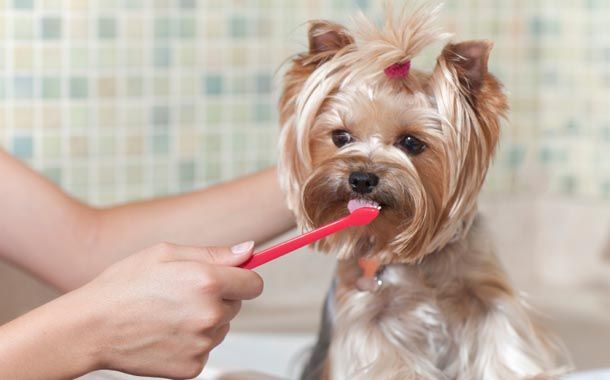
What Is Pet Dental Care?
Pet dental care is an important part of keeping dogs and cats healthy and comfortable. Just like people, pets can develop plaque, tartar, gum inflammation, bad breath, tooth damage, and other oral health problems.
Many pet owners focus on feeding, bathing, grooming, and vaccinations but overlook their pet’s teeth. Unfortunately, dental problems can develop gradually and may not be obvious until they become painful.
A consistent pet dental care routine can help reduce plaque buildup, maintain healthier gums, and allow you to notice potential problems earlier.
Whether you have a puppy, adult dog, kitten, adult cat, or senior pet, good oral hygiene should be part of their regular care routine.
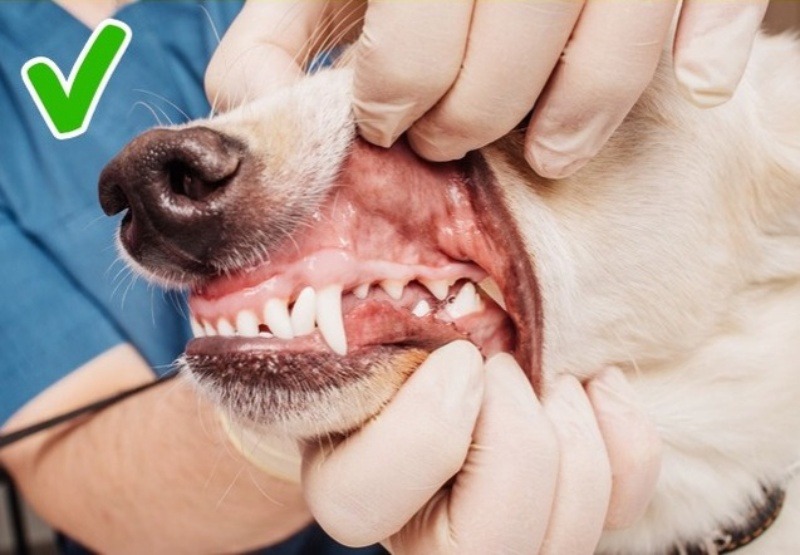
Why Is Pet Dental Care Important?
Healthy teeth are important for eating, comfort, and overall well-being.
When plaque accumulates on the teeth, it can harden into tartar. Tartar can irritate the gums and contribute to periodontal disease. As dental disease progresses, pets may experience pain, difficulty eating, loose teeth, or other complications.
Regular dental care helps:
-
Reduce plaque buildup
-
Control tartar formation
-
Support healthier gums
-
Reduce unpleasant breath
-
Protect teeth from damage
-
Make eating more comfortable
-
Help detect dental problems early
-
Maintain better overall oral hygiene
Dental care is particularly important for small dog breeds, including Poodles, because dental crowding can make cleaning more difficult.
Common Dental Problems in Dogs and Cats
Understanding common problems makes it easier to recognize when your pet needs attention.
1. Plaque
Plaque is a sticky film containing bacteria that forms on the surface of teeth.
Without regular cleaning, plaque can accumulate around the gumline and eventually harden into tartar.
2. Tartar
Tartar is hardened dental buildup that cannot usually be removed effectively with ordinary brushing once it has become firmly attached.
Significant tartar may require professional veterinary dental cleaning.
3. Gingivitis
Gingivitis refers to inflammation of the gums. Signs may include red, swollen, or bleeding gums.
Early attention is important because untreated gum inflammation can progress to more serious periodontal disease.
4. Periodontal Disease
Periodontal disease affects the tissues supporting the teeth. Advanced dental disease can result in pain, tooth loss, and difficulty eating.
5. Broken or Damaged Teeth
Pets can damage their teeth by chewing on excessively hard objects, suffering trauma, or developing dental disease.
A broken tooth may be painful even when the problem is difficult for an owner to see.
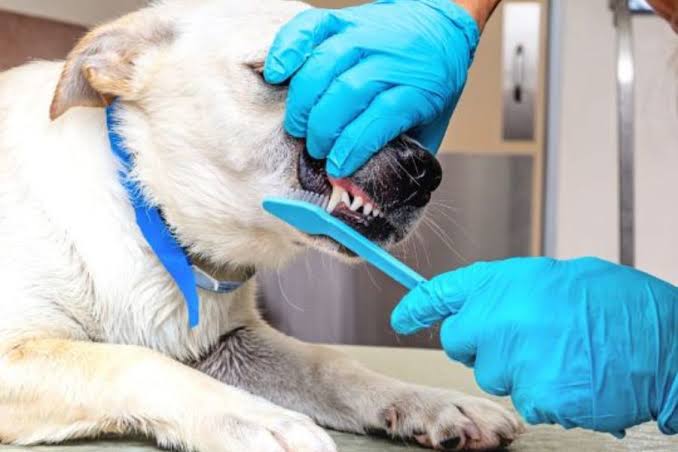
Signs Your Pet May Have Dental Problems
Pets often hide signs of pain, so changes in behavior can be important clues.
Watch for:
-
Persistent bad breath
-
Yellow or brown buildup on teeth
-
Red or swollen gums
-
Bleeding from the gums
-
Excessive drooling
-
Difficulty chewing
-
Dropping food while eating
-
Reduced appetite
-
Chewing on one side of the mouth
-
Pawing at the mouth
-
Facial swelling
-
Loose or missing teeth
-
Irritability when the mouth is touched
Bad breath should not simply be considered a normal part of owning a dog or cat. Persistent unpleasant breath can be a sign that your pet needs a dental examination.
How to Clean Your Pet’s Teeth at Home
One of the most effective home-care habits is regular tooth brushing.
Step 1: Introduce Tooth Brushing Slowly
Do not immediately force a toothbrush into your pet’s mouth.
Start by allowing your pet to become comfortable with having their face and mouth touched. You can gently lift the lips and briefly touch the teeth and gums.
Reward calm behavior.
Step 2: Use Pet-Safe Toothpaste
Always choose toothpaste specifically formulated for dogs or cats.
Never use human toothpaste for pets. Some human toothpaste products contain ingredients that are inappropriate or potentially harmful when swallowed by animals.
Step 3: Choose an Appropriate Toothbrush
A pet toothbrush or appropriately sized soft-bristled brush can make the process easier.
For small dogs and cats, a smaller brush head may provide better control.
Step 4: Focus on the Gumline
Plaque commonly accumulates near the gumline.
Gently brush the outer surfaces of the teeth, paying particular attention to areas where buildup is visible.
You do not need to scrub aggressively. Gentle, consistent brushing is more important than force.
Step 5: Make It a Routine
Try to establish a regular schedule.
Daily brushing is ideal when your pet tolerates it, but the most important thing is developing a consistent dental-care routine.
Dental Care for Puppies and Kittens
Starting dental care when your pet is young can make future tooth brushing much easier.
Puppies and kittens can gradually learn that having their mouths handled is a normal part of grooming.
Begin with short sessions:
-
Touch the lips gently.
-
Let your pet smell the toothbrush.
-
Introduce pet-safe toothpaste.
-
Touch a few teeth.
-
Gradually increase brushing time.
-
Reward calm cooperation.
Avoid turning tooth brushing into a stressful experience. Positive reinforcement can help pets become more comfortable with the routine.
Dental Care for Senior Pets
Older dogs and cats may be more likely to have accumulated dental problems.
Senior pets should receive regular veterinary examinations, particularly if they have:
-
Significant tartar
-
Bad breath
-
Loose teeth
-
Difficulty eating
-
Gum bleeding
-
Weight loss
-
Changes in eating habits
If your senior pet suddenly struggles to eat, do not assume it is simply a normal part of aging.
Dental Chews and Dental Products
Dental chews, dental diets, water additives, and other oral-care products may complement tooth brushing.
However, they should not automatically be considered a replacement for professional veterinary dental care.
When choosing a dental product, consider:
-
Your pet’s size
-
Age
-
Chewing habits
-
Existing dental problems
-
Product ingredients
-
Appropriate feeding instructions
Avoid extremely hard objects that may damage or fracture teeth.
Can You Remove Tartar at Home?
If tartar has already hardened onto the teeth, ordinary brushing may not remove it effectively.
Trying to scrape tartar off your pet’s teeth with sharp tools can cause injury to the gums or damage the tooth surface.
Instead, consult a veterinarian if your pet has substantial tartar, gum inflammation, or other dental problems.
Professional dental cleaning allows the veterinary team to properly assess and clean areas that are difficult to reach at home.
How Often Should You Brush Your Pet’s Teeth?
Ideally, pet teeth should be brushed regularly, with daily brushing providing the best routine for many pets.
However, every pet is different.
If your pet is not accustomed to brushing, begin with short sessions and gradually increase the frequency.
A practical routine could look like:
Daily:
Tooth brushing and quick mouth check.
Weekly:
Look for unusual tartar, gum redness, swelling, or damaged teeth.
Regular veterinary visits:
Have your pet’s oral health assessed as part of routine care.
Pets with existing dental disease may need more frequent professional evaluation.
How to Prevent Dental Problems in Pets
Good prevention begins with consistency.
Build a Dental Routine Early
Do not wait until your pet develops severe tartar or bad breath before starting dental care.
Brush Regularly
Regular brushing helps remove plaque before it becomes more difficult to manage.
Provide Appropriate Dental Products
Use products designed for pets and appropriate for their size and chewing behavior.
Avoid Extremely Hard Chews
Very hard objects can potentially fracture teeth.
Monitor Your Pet’s Mouth
Check your pet’s teeth and gums regularly so you can recognize changes early.
Schedule Veterinary Dental Examinations
Home care is important, but it does not replace professional veterinary assessment when dental disease is suspected.
Pet Dental Care for Poodles
Poodles deserve special attention to dental hygiene.
Small and toy-sized Poodles can be prone to dental crowding, which may make plaque accumulation more difficult to control.
Owners should pay attention to:
-
Yellow or brown teeth
-
Persistent bad breath
-
Red gums
-
Difficulty eating
-
Plaque around the gumline
-
Loose teeth
-
Changes in chewing behavior
Regular brushing and professional veterinary dental care can help maintain better oral health.
For Poodle owners, dental care should be considered just as important as coat grooming, bathing, and nail trimming.
When Should You See a Veterinarian?
Contact your veterinarian if you notice significant dental changes or signs of discomfort.
Professional evaluation is especially important when your pet has:
-
Severe bad breath
-
Bleeding gums
-
Facial swelling
-
A broken tooth
-
Loose teeth
-
Difficulty eating
-
Refusal to eat
-
Significant tartar
-
Pain when the mouth is touched
Do not wait for severe symptoms before seeking help. Early veterinary attention can make dental problems easier to manage.
Frequently Asked Questions About Pet Dental Care
How often should I brush my dog’s teeth?
Daily brushing is an excellent goal. If your dog is not accustomed to brushing, start gradually and build a consistent routine.
Can I use human toothpaste on my dog or cat?
No. Use toothpaste specifically formulated for pets. Human toothpaste is not designed to be swallowed by dogs or cats.
Is bad breath normal in pets?
Persistent bad breath should not be ignored. It can be associated with plaque, tartar, gum disease, dental infection, or other health problems.
Can dental chews replace tooth brushing?
Dental chews can complement a dental-care routine, but they should not automatically be considered a complete replacement for brushing or veterinary dental care.
Can I scrape tartar off my pet’s teeth?
It is safer not to scrape tartar yourself with sharp instruments. Professional veterinary dental cleaning is recommended when significant tartar has accumulated.
When should I start dental care?
Dental care can be introduced when your pet is young. Starting early helps establish tooth brushing as a normal part of daily care.
Final Thoughts
Good pet dental care is not just about keeping your dog’s or cat’s teeth looking clean. It is an important part of maintaining comfortable eating, healthy gums, and better oral hygiene throughout your pet’s life.
Regular brushing, appropriate dental products, routine mouth checks, and veterinary examinations can all play a role in preventing and managing dental problems.
Start with small steps, make dental care a positive routine, and pay attention to changes in your pet’s mouth. A few minutes of regular care can make a meaningful difference to your pet’s long-term dental health.