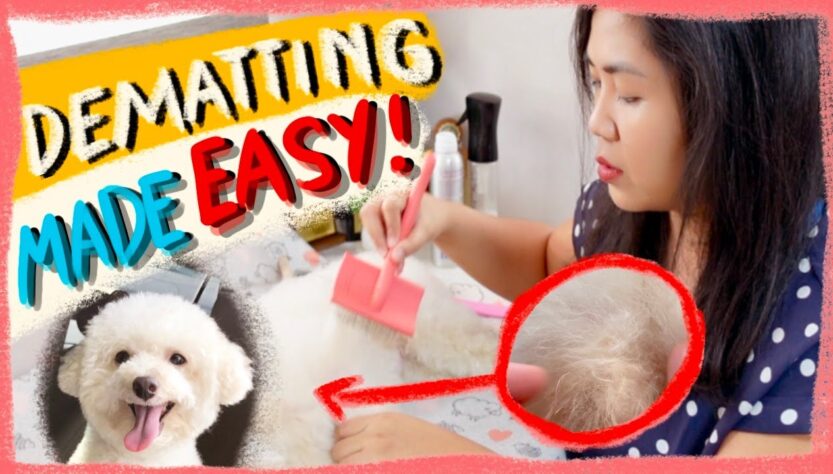
Poodles are loved for their soft, curly coats, but those beautiful curls can easily become tangled without regular grooming. Knots often develop behind the ears, under the legs, around the collar, and near the tail. If left untreated, small tangles can turn into tight mats that pull on the skin and make brushing uncomfortable.
Learning how to detangle Poodle hair safely helps maintain a healthy-looking coat and makes grooming more pleasant for your dog. The most important rule is simple: work gently, use the right tools, and never force a comb through a tight knot.
In this guide, you will learn how to identify tangles, remove manageable knots, prevent future matting, and recognize when professional grooming is the safest option.
1. Why Does Poodle Hair Get Tangled So Easily?
Poodles have curly hair that can trap loose hairs instead of allowing them to fall away naturally. As the coat grows, loose hair can become caught within the curls and combine with friction, moisture, and everyday debris.
Several factors can contribute to tangled Poodle hair.
Infrequent Brushing
Skipping brushing sessions allows small knots to accumulate. These knots can become harder to remove as the coat grows and more loose hair collects.
Moisture and Incomplete Drying
Bathing a tangled coat can make existing knots tighter and more difficult to manage. If a Poodle’s coat remains damp, curls may clump together and become harder to brush.
Always check the coat for tangles before bathing, and dry it thoroughly afterward.
Friction in High-Movement Areas
Some parts of the body are especially prone to matting, including:
- Behind and beneath the ears
- Under the front legs and around the armpits
- Around the collar or harness
- Between the back legs
- Around the tail and rump
- Along the beard and other longer facial hair
These areas deserve extra attention during routine brushing.
Long or Dense Coats
Longer coats can look fluffy and attractive, but they generally require more maintenance. A practical haircut that suits your available grooming time may make coat care easier.
2. Essential Tools for Detangling Poodle Hair
Using appropriate tools makes it easier to identify knots and work through the coat without unnecessary pulling.
Slicker Brush
A dog-specific slicker brush helps separate curly hair and loosen small tangles. Choose one appropriate for your Poodle’s size and coat, and use gentle pressure.
Stainless-Steel Grooming Comb
A metal comb helps you check whether the hair is free of knots. It is especially useful around the ears, legs, and other areas where tangles may hide beneath the top layer.
Dog-Safe Detangling Product
A detangling spray formulated for dogs may help with manageable knots. Follow the product label and avoid getting it into your dog’s eyes, nose, or mouth.
Never use human hair products unless your veterinarian specifically advises that a product is appropriate for your dog.
Towels and a Dog-Safe Dryer
If you are grooming after a bath, use towels to remove excess water and a suitable dryer according to its instructions. Avoid excessive heat and stop if your dog becomes uncomfortable.
For a complete equipment checklist, read our guide to Poodle grooming tools.
3. How to Detangle Poodle Hair Step by Step
The right method depends on whether you are dealing with a loose knot or a tight mat. The following steps are intended for manageable tangles, not severe matting.
Step 1: Inspect the Coat
Start by looking and feeling gently through your Poodle’s coat. Separate the hair into small sections so you can identify knots close to the skin.
Pay particular attention to the ears, armpits, legs, collar area, and tail.
If you find a tight mat attached to the skin, do not pull it apart. Mats can hide irritated skin and may require professional clipping.
Step 2: Work in Small Sections
Avoid brushing the entire coat randomly. Divide the hair into manageable sections and focus on one knot at a time.
Hold the hair gently near the base, between the knot and your dog’s skin, to reduce pulling. Do not grip or squeeze the skin.
Step 3: Apply a Suitable Detangling Spray if Needed
For a loose tangle, apply a dog-safe detangling product according to its label. Allow it to work as directed.
Use only enough product to help manage the knot. Avoid soaking the coat or using products near the eyes and mouth.
Step 4: Loosen the Knot Gently
Use your fingers to separate loose strands around the edge of the tangle. Then work with a slicker brush using short, gentle strokes.
Start at the outer part of the knot and gradually work through the hair. Never yank the brush or force it through resistance.
If your dog flinches, pulls away, growls, or appears painful, stop and reassess. Do not continue if detangling causes distress.
Step 5: Check with a Metal Comb
Once the tangle appears loose, gently pass a metal comb through the section. If the comb catches, return to the small section you were working on rather than pulling it through.
A section is sufficiently detangled when the comb can pass through without catching or pulling.
Step 6: Repeat Carefully
Continue one section at a time, taking breaks when needed. Short, calm sessions are often more comfortable than trying to complete the entire coat at once.
If the coat contains many tight knots, stop and contact a professional groomer. Removing extensive matting at home can hurt your dog and injure the skin.
4. How to Detangle Poodle Hair After a Bath
Post-bath tangles can be frustrating, especially when the coat is long and curly. Prevention before bathing is usually easier than trying to remove tight knots afterward.
Follow these tips:
- Inspect and brush first. Remove manageable tangles before getting the coat wet.
- Use dog-safe shampoo. Apply it according to the label and avoid vigorous rubbing that tangles the hair.
- Rinse thoroughly. Residue can affect the feel and manageability of the coat.
- Blot with a towel. Avoid rough rubbing that encourages curls to knot together.
- Dry carefully. Use a suitable dog dryer on a comfortable setting, keeping airflow moving and checking the coat as you work.
- Brush and comb gently. Work through small sections during drying when appropriate for your equipment and technique, then check that the coat is fully dry.
Never use a hot dryer close to the skin. If your Poodle is frightened by the noise or airflow, take breaks or ask a professional groomer for help.
For more details, see our guide on how to dry a Poodle after bathing.
5. What Should You Do About Severe Poodle Mats?
Not every tangle can be safely brushed out. Severe mats may become dense, tight, and close to the skin.
Signs that a mat needs professional attention include:
- The comb cannot enter the mat without pulling.
- The mat feels tight against the skin.
- Your Poodle shows pain when the area is touched.
- Multiple mats cover large areas of the body.
- The skin underneath appears red, swollen, moist, or irritated.
Do not cut mats out with household scissors. A dog’s skin can be pulled into a mat, making it difficult to see where the skin ends and the tangled hair begins.
A professional groomer can assess whether the coat can be safely worked through or whether clipping is the kinder option. If the skin is injured, painful, or infected, consult a veterinarian.
Sometimes a shorter haircut is necessary to restore comfort. Although this may change your Poodle’s appearance temporarily, coat health and safety should come first.
Learn more in our guide to Poodle matting: how to prevent and remove mats safely.
6. How to Prevent Poodle Hair from Tangling
Consistent maintenance is the most effective way to reduce tangles and avoid difficult grooming sessions.
Establish a Brushing Routine
Many Poodles benefit from daily brushing, especially when their coats are long or fluffy. Shorter coats may need less work, but they still require regular checks.
Adjust the frequency according to your dog’s coat condition and how quickly knots develop.
Check High-Risk Areas Frequently
Run your fingers gently through the hair behind the ears, under the legs, around the collar, and near the tail. These spots can hide tangles even when the outer coat looks smooth.
Keep the Coat Clean and Dry
Bathe your Poodle when needed and dry the coat thoroughly. Avoid allowing damp hair to remain bundled together for long periods.
Choose a Manageable Haircut
If you struggle to maintain a long coat, discuss a shorter, practical style with your groomer. The best haircut is one that suits your dog’s comfort and your ability to maintain it.
Explore our Poodle haircut length guide for help choosing a suitable coat length.
Schedule Regular Grooming
Professional grooming can help keep the coat manageable and identify developing problems early. The right interval depends on coat growth, haircut style, and your home-care routine.
7. Common Detangling Mistakes to Avoid
Avoid these mistakes when caring for your Poodle’s coat:
- Brushing forcefully through knots
- Pulling hair away from the skin
- Bathing a coat that already has significant tangles
- Using human detangling products without checking their suitability
- Applying excessive heat while drying
- Cutting tight mats with scissors
- Continuing when the dog shows signs of pain or fear
- Waiting until the coat is heavily matted before seeking help
Gentle handling and early attention to small knots are much safer than trying to solve a serious matting problem in one session.
Frequently Asked Questions
Can I detangle my Poodle’s hair every day?
Yes. Regular gentle brushing is often helpful, especially for long or dense coats. Use suitable tools and stop if brushing causes pain or distress.
Should I brush a Poodle before or after bathing?
Brush out manageable tangles before bathing. After the bath, dry the coat carefully and gently check it with a brush and comb. Do not force tools through tight knots.
Can I use coconut oil or human conditioner to detangle Poodle hair?
Do not assume household oils or human hair products are suitable for dogs. Choose a product specifically formulated for canine coats and follow its directions. Ask your veterinarian if your dog has sensitive or irritated skin.
Should I cut out a matted section of Poodle hair?
Do not cut tight mats with scissors because the skin can be caught inside the mat. Ask a professional groomer to assess the coat. Seek veterinary care if the area is painful or the skin is damaged.
How do I know when a Poodle’s coat is fully detangled?
A metal grooming comb should pass through the coat without repeatedly catching or pulling. Check beneath the top layer and around high-friction areas, not just the visible surface.
Conclusion
Learning how to detangle Poodle hair safely begins with patience, the right tools, and a consistent grooming routine. Small knots are often manageable when addressed early, but tight mats should never be forced apart or cut out with household scissors.
Brush regularly, pay attention to areas where friction creates tangles, and dry the coat carefully after bathing. When matting is severe or your dog is uncomfortable, professional grooming is the safest choice.
With the right approach, you can help your Poodle maintain a clean, comfortable, and beautiful curly coat.
Discover more Poodle grooming guides at PetLoves: https://petloves.top