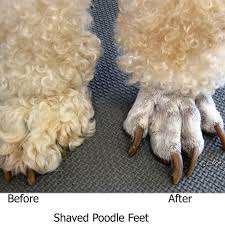
Poodle hair is beautiful, soft, curly, and naturally dense. However, that same curly coat can easily become tangled and matted when it is not brushed and maintained regularly.
Poodle matting is more than a cosmetic problem. Tight mats can pull on the skin, trap moisture and dirt, make grooming uncomfortable, and sometimes hide irritated skin underneath. For this reason, learning how to prevent and safely deal with mats is an important part of Poodle coat care.
Whether you have a Toy Poodle, Miniature Poodle, or Standard Poodle, a consistent grooming routine can help keep the coat healthy, fluffy, and easier to manage.
What Is Poodle Matting?
Poodle matting happens when loose hair becomes tangled and forms a compact mass within the curly coat.
Unlike many dogs that naturally shed loose hair onto the floor, Poodles tend to retain much of their loose hair within the coat. Without regular brushing, these hairs can become tangled with surrounding curls.
Small tangles can gradually develop into dense mats.
Common areas where Poodle mats develop include:
- Behind the ears
- Under the collar or harness
- Around the neck
- Armpits
- Chest
- Belly
- Legs
- Around the tail
- Between the toes
- Around the muzzle
These areas experience friction or are easily exposed to moisture, making them particularly prone to tangling.
Why Do Poodles Get Matted So Easily?
Several factors can contribute to Poodle matting.
Curly Coat
Poodles have a dense, curly coat that naturally holds loose hair. Without brushing, individual hairs can become intertwined.
Moisture
Wet hair tends to tangle more easily. Bathing without thoroughly brushing and drying the coat can contribute to mats.
Friction
Collars, harnesses, clothing, bedding, and movement can cause friction that gradually creates tangles.
Infrequent Brushing
Skipping brushing for several days may allow small tangles to become larger mats, particularly in longer coats.
Incorrect Grooming Technique
Brushing only the surface of a Poodle’s coat may leave hidden tangles close to the skin.
This is why proper brushing technique is important.
How to Tell If Your Poodle Has Mats
Some mats are easy to see, while others may be hidden underneath the outer layer of fur.
Run your fingers gently through the coat and use a metal comb to check the hair close to the skin.
Signs of matting include:
- The comb cannot pass through the hair
- Hair feels unusually compact
- Small knots can be felt beneath the surface
- The coat looks uneven or clumped
- Your dog reacts when a particular area is brushed
- Moisture remains trapped in the coat
Pay special attention to the areas behind the ears, under the legs, around the neck, and near the tail.
How to Prevent Poodle Matting
Prevention is much easier than removing severe mats.
1. Brush Regularly
Regular brushing is the most important part of preventing Poodle mats.
For many Poodles, frequent brushing is necessary, especially when the coat is long or fluffy.
A good routine includes:
- Separate the coat into small sections.
- Brush from the skin outward.
- Work through one section at a time.
- Follow with a metal comb.
- Make sure the comb reaches through the entire coat.
Do not simply brush the surface of the hair. A coat can look fluffy on top while still being badly tangled underneath.
2. Use Line Brushing
Line brushing is particularly useful for dense Poodle coats.
Start with a small section of hair and create a visible line. Brush the hair beneath the line from the roots toward the ends.
Move the line gradually as you work through the coat.
This method helps you reach deeper layers of the coat instead of only brushing the surface.
3. Brush Before Bathing
One of the most important Poodle grooming rules is to remove tangles before bathing.
Water can cause existing tangles to tighten. A small knot that might have been easy to remove before the bath can become much harder to manage afterward.
Always check the coat carefully before shampooing.
4. Dry the Coat Properly
Wet Poodle hair can easily form tangles if it is allowed to dry naturally in clumps.
After bathing:
- Gently towel dry
- Use an appropriate pet dryer
- Brush small sections while drying
- Keep the coat moving and separated
- Make sure the coat is completely dry
Proper drying is especially important for Poodles with longer hair.
5. Pay Attention to Friction Areas
Check areas that experience frequent friction.
These include:
- Behind the ears
- Under collars
- Under harnesses
- Armpits
- Between the legs
- Around the tail
A quick daily inspection can help you find small tangles before they become serious mats.
How to Remove a Small Poodle Mat
If you find a small, loose tangle, you may be able to remove it at home.
Start by separating the tangled section from the surrounding hair.
Hold the hair close to the skin to reduce pulling and work gently from the outer ends of the tangle.
Use a suitable grooming brush or comb and gradually loosen the hair.
Never pull aggressively.
If your dog becomes uncomfortable, stop and try again later or seek professional grooming assistance.
What About Large or Tight Mats?
Large, tight mats require more caution.
A tightly compacted mat can pull on the skin and may be difficult to remove without causing discomfort.
Do not aggressively brush a severe mat for a long time.
Do not use household scissors to cut mats close to the skin.
The skin can be extremely close to the matted hair, making accidental cuts possible.
For severe matting, professional grooming is generally the safer option.
A professional groomer can assess the condition of the coat and determine whether the mat can be safely removed or whether clipping is necessary.
Should You Cut Out Poodle Mats?
Sometimes clipping may be necessary for severe matting.
However, cutting mats at home with ordinary scissors can be dangerous.
The skin may be pulled upward into the mat, making it difficult to tell where the hair ends and the skin begins.
If a mat is tight against the skin, avoid inserting scissors underneath it.
Professional groomers have appropriate equipment and techniques for dealing with heavily matted coats.
Poodle Matting After a Bath
One common mistake is bathing a Poodle that already has tangled hair.
When the coat becomes wet, existing tangles can become tighter.
A better routine is:
Brush → Bathe → Condition if appropriate → Dry → Brush/comb → Final inspection
This sequence helps reduce the chance of creating additional tangles.
Poodle Matting and Different Haircuts
The length of your Poodle’s haircut affects how much maintenance is required.
Teddy Bear Cut
The fluffy Teddy Bear style can look adorable but usually requires frequent brushing to maintain its rounded appearance.
Puppy Cut
A shorter Puppy Cut is generally easier to maintain than a long, fluffy coat, although regular brushing is still important.
Asian Fusion
Asian Fusion styles often feature longer and carefully shaped sections of hair. These areas may require more frequent maintenance.
Short Poodle Haircut
A shorter haircut can reduce daily brushing requirements, especially for owners who have limited time for coat maintenance.
Choosing a haircut should take your dog’s lifestyle and grooming routine into account, not just appearance.
How Often Should You Brush a Poodle to Prevent Mats?
The ideal brushing frequency depends on coat length, texture, haircut, lifestyle, and the individual dog.
As a general guideline:
- Short coat: brush several times per week
- Medium coat: brush every day or every other day
- Long or fluffy coat: daily brushing may be necessary
- Puppies: establish a gentle brushing routine early
- Between professional grooms: increase brushing as the coat grows
The longer and fluffier the coat, the more maintenance it generally requires.
Common Poodle Matting Mistakes
Brushing Only the Surface
Surface brushing may make the coat look neat while leaving hidden mats underneath.
Skipping Brushing for Too Long
A few missed grooming sessions can allow small tangles to become difficult mats.
Bathing a Matted Coat
Water can tighten existing tangles.
Letting the Coat Air Dry in Clumps
Curly hair can dry into tangled sections.
Using Too Much Force
Aggressive brushing can hurt your dog and create negative associations with grooming.
Using Human Hair Products
Human grooming products may not be appropriate for a dog’s skin or coat.
Ignoring Small Tangles
Small knots are much easier to remove than large, compact mats.
How to Make Poodle Grooming More Comfortable
If your Poodle dislikes brushing, make grooming sessions shorter and more positive.
Try the following:
- Begin with a small section.
- Use gentle movements.
- Reward calm behavior.
- Take short breaks.
- Gradually increase grooming time.
- Avoid brushing sensitive areas for too long.
- End the session positively.
For puppies, introduce grooming tools gradually. Let them become familiar with brushing, combing, bathing, drying, and gentle handling.
The goal is to make grooming a normal part of everyday life.
When Should You See a Professional Groomer?
Professional help is recommended when:
- Mats are large and tightly packed
- Mats cover large areas of the body
- Your dog becomes distressed during grooming
- The skin underneath the mats cannot be seen
- You are unsure how to safely remove the mat
- The coat has become severely neglected
- You need a complete haircut or coat reset
If you notice redness, wounds, swelling, unusual odor, or other skin changes underneath a mat, consult a veterinarian.
Poodle Matting Prevention Checklist
Use this simple checklist as part of your grooming routine:
- Check the coat regularly
- Brush thoroughly
- Use line brushing for dense areas
- Comb through the entire coat
- Check behind the ears
- Check under the collar and harness
- Brush before bathing
- Dry the coat thoroughly
- Check the legs and armpits
- Check the tail and belly
- Schedule regular professional grooming
- Deal with small tangles early
Final Thoughts
Poodle matting is one of the most common coat-care challenges for Poodle owners, but it can usually be reduced with a consistent grooming routine.
Regular brushing, proper drying, suitable haircut lengths, and early attention to small tangles can make a major difference.
If your Poodle develops severe or tight mats, avoid using household scissors or forcing the tangles apart. Professional grooming can provide a safer solution.
A healthy Poodle coat does not happen by accident. With regular care and the right grooming techniques, you can keep your dog’s coat clean, comfortable, fluffy, and much easier to maintain.
Frequently Asked Questions
Why does my Poodle get matted so easily?
Poodles have dense, curly coats that retain loose hair. Without regular brushing, the loose hair can become tangled and form mats.
Should I brush my Poodle when the coat is wet?
It depends on the grooming routine and tools being used, but tangled hair should generally be addressed before bathing. After bathing, the coat should be dried properly while being gently brushed or separated as appropriate.
Can I remove Poodle mats at home?
Small, loose tangles may sometimes be gently removed at home. Tight or extensive mats are better handled by a professional groomer.
Can I cut Poodle mats with scissors?
Avoid using ordinary scissors to cut mats close to the skin. The skin can be hidden inside the mat, creating a risk of accidental injury.
How can I prevent my Poodle from getting mats?
Regular brushing, line brushing, proper bathing and drying, and keeping the coat at a manageable length are key ways to reduce matting.
Does a shorter Poodle haircut prevent matting?
A shorter haircut can reduce the amount of brushing required, but it does not completely eliminate the need for regular coat care.
Are Poodle mats painful?
Tight mats can pull on the skin and may cause discomfort. Severe matting can also hide skin problems underneath the coat.
How often should a Poodle be professionally groomed?
Many Poodles benefit from professional grooming every several weeks, depending on coat length, haircut, lifestyle, and how well the coat is maintained between appointments.