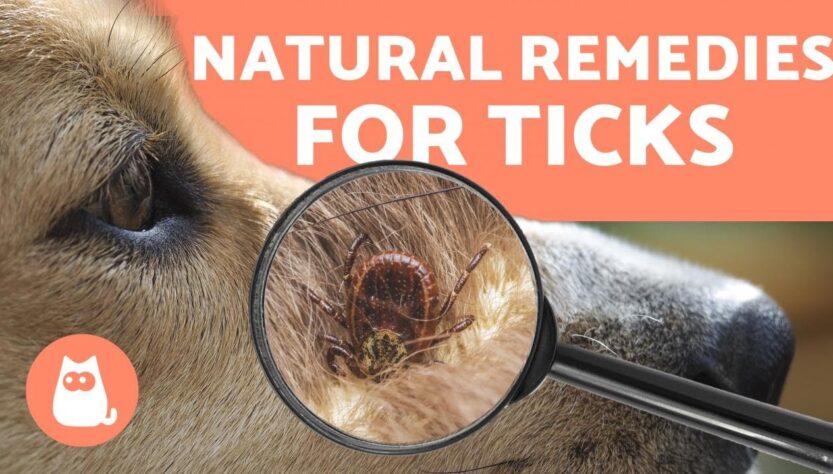
Dog ticks are one of the most annoying and dangerous parasites for pets. They not only suck blood but can also transmit diseases, cause skin inflammation, and weaken a dog’s health. If not treated promptly, ticks can multiply rapidly in the environment. This article will guide you on how to treat dog ticks at home effectively, safely, and easily.
- What are dog ticks and why is early treatment necessary?
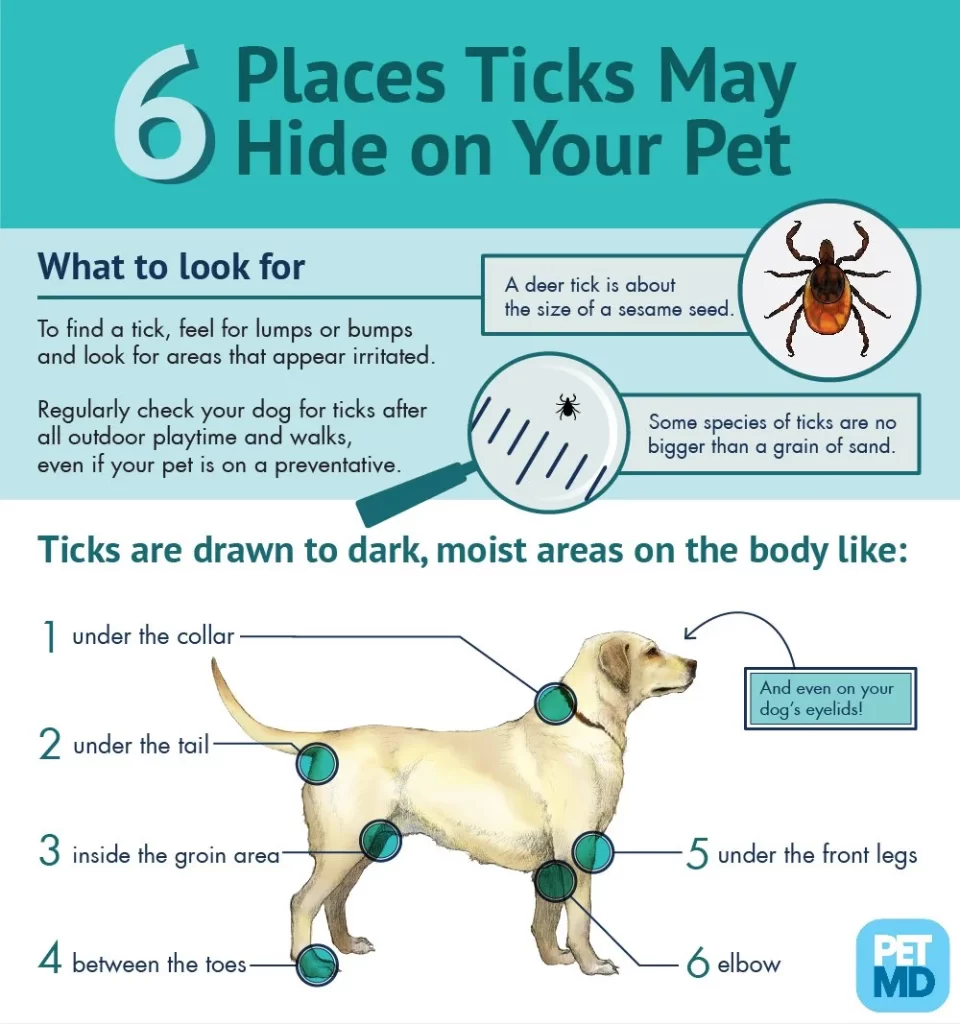
Dog ticks are parasites that live on the skin, sucking blood to grow. They usually appear in areas such as the ears, neck, armpits, or between the toes – areas with thin, warm skin.
If not treated early, ticks can cause:
Itching and discomfort
Dermatitis and infection
Anemia (when blood is heavily sucked)
Rapid spread to the living environment and other pets
Therefore, early detection and treatment are very important.
- Signs of a Dog Infested with Ticks
You can identify a dog infested with ticks through the following signs:
The dog frequently scratches or bites its skin.
Small brown or black spots appear on the skin.
The skin is red, has bite marks, or scratches.
Hair loss in patches.
Tiredness and reduced activity (in severe cases).
Regular checks of the dog’s fur will help you detect ticks earlier.
- Effective Home Remedies for Dog Ticks
3.1. Bathing the Dog with Warm Water and Specialized Shampoo
This is the basic and first step:
Wet the dog’s entire body with warm water.
Use a specialized tick-killing shampoo.
Massage thoroughly areas prone to ticks such as the neck, ears, and between the toes.
Leave the shampoo on the fur for about 5-10 minutes, then rinse thoroughly.
This helps remove some ticks and clean the skin.
3.2. Use a specialized comb to remove ticks
After bathing, you can use a fine-toothed comb to:
Brush the fur and remove any remaining ticks
Focus on the neck, behind the ears, and belly
Once you catch a tick, put it in soapy water or alcohol to completely kill it.
3.3. Using natural ingredients
Some ingredients that can help treat ticks at home:
Apple cider vinegar:
Dilute with water in a 1:1 ratio
Spray lightly on the dog’s fur (avoiding the eyes and mouth)
Helps repel ticks effectively
Lemon or lemongrass essential oil:
Their scent is unpleasant to ticks
Can be diluted and sprayed on the fur
Note: Do not use too concentrated as it may irritate the skin.
3.4. Use tick drops or spray
If there are many ticks, you should also use:
Specialized tick drops
Tick spray for dogs
These products kill ticks quickly and prevent recurrence. However, it’s important to read the instructions carefully.
- Maintaining a Clean Living Environment
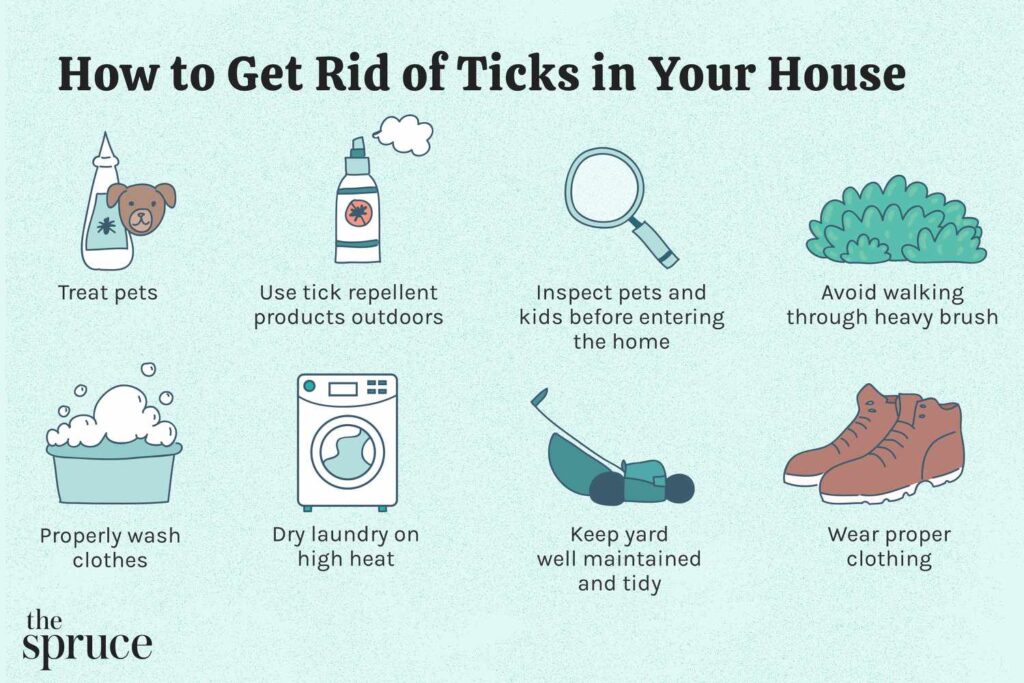
Killing ticks on your dog isn’t enough; you need to address the environment as well:
Wash the dog’s blankets, bedding, and sleeping area thoroughly.
Clean the floors and living area.
Spray insecticide (if necessary).
Keep the space dry and well-ventilated.
Ticks can survive in the environment and return to infest if not completely eliminated.
- Preventing Tick Returns
After successfully treating ticks, you should:
Bathe your dog regularly 1–2 times a week.
Brush its fur frequently.
Use a tick collar or tick prevention medication.
Limit your dog’s exposure to dirty environments.
Prevention is always easier than cure, especially with dog ticks.
- When should you take your dog to the veterinarian?
You should take your dog to the vet if:
The ticks are too numerous and uncontrollable
The skin is severely inflamed, bleeding, or has pus
The dog shows signs of fatigue and loss of appetite
Home remedies are ineffective
A veterinarian will have more specialized and safer treatment methods.
- Important Notes
Do not use human insecticides on dogs
Do not mix strong chemicals yourself
Avoid getting the medication in the dog’s eyes and mouth
Always monitor your dog’s reaction after using the product
- Conclusion
Treating dog ticks at home is entirely possible if you apply the correct methods and persevere. Combining good hygiene, using appropriate products, and cleaning the living environment will help eliminate ticks effectively. More importantly, maintain a routine of care and prevention to keep your pet healthy, clean, and comfortable.