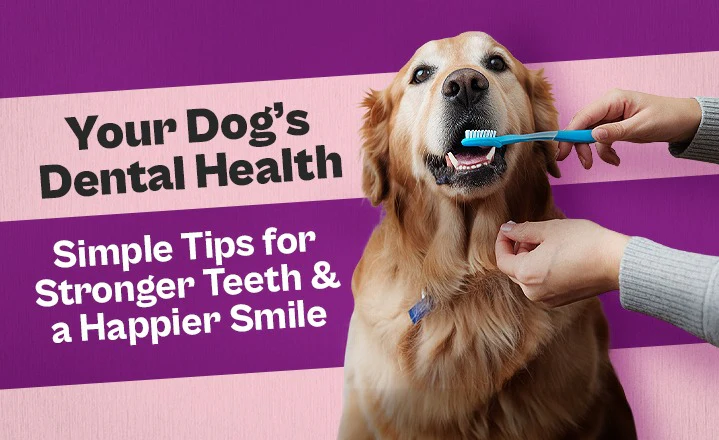
Oral care for dogs is an important but often overlooked part of pet care. Healthy teeth not only help dogs eat well but also prevent many dangerous digestive and cardiovascular diseases. This article will help you understand how to effectively care for your dog’s teeth, with clear and easy-to-apply instructions.
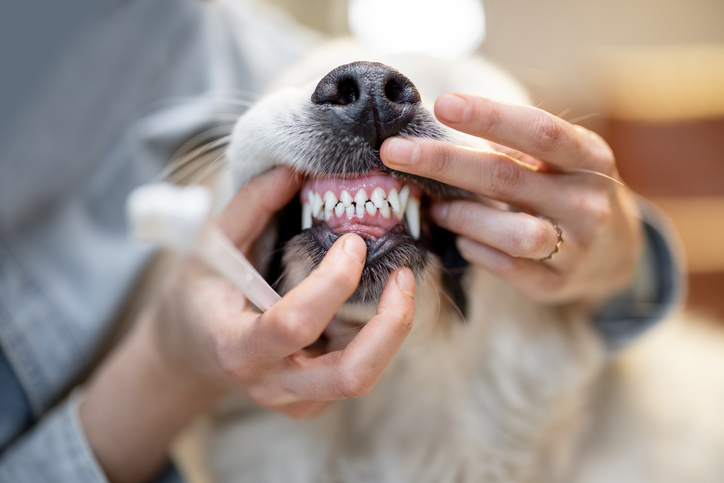
- Why is oral care necessary for dogs?
Oral health directly affects a dog’s overall health. Without proper cleaning, plaque and bacteria will accumulate, causing:
Bad breath
Gum inflammation (gingivitis)
Tooth decay or tooth loss
Infections spreading to other organs
Regular dental care helps dogs maintain good chewing ability and prolongs their lifespan.
- Signs of Dental Problems in Dogs
You should check your dog’s teeth regularly to detect early signs of abnormalities such as:
Severe bad breath
Red, swollen, or bleeding gums
Yellow teeth, tartar buildup
Dogs eating slowly, refusing to eat, or chewing on only one side
Frequent drooling
When you see these signs, take timely action.
- How to Brush Your Dog’s Teeth Correctly
3.1. Use a specialized toothbrush and toothpaste
Do not use human toothpaste as it can harm dogs. Choose:
A soft toothbrush specifically for dogs
Toothpaste with a pleasant flavor (meat, chicken, beef)
3.2. Gradually Introduce It
If your dog is not used to it, start by:
Letting it smell and lick the toothpaste
Gently touching the teeth and gums with your hand
Then move on to using the toothbrush
3.3. Toothbrushing Frequency
Ideally: 3–4 times/week
Best: once a day if possible
Regular brushing helps prevent plaque effectively.
- Use chew toys to aid in teeth cleaning
Chew toys not only entertain dogs but also aid in dental hygiene:
Specialized chew bones
Rubber toys
Dental cleaning snacks
When chewing, friction helps remove plaque and reduce tartar.
- A Healthy Diet for Teeth
5.1. Suitable Food
Dry food cleans teeth better than soft food
Limit foods that are too sticky or high in sugar
5.2. Nutritional Supplements
Some nutrients that help strengthen teeth:
Calcium and phosphorus
Vitamin D
Essential minerals
A balanced diet helps teeth and bones develop well.
- Regular Dental Cleaning
No matter how well you care for your dog, tartar can still build up over time. Therefore:
Dogs should be taken for professional teeth cleaning every 6–12 months.
This should be done at a reputable veterinary clinic.
This helps with deep cleaning and prevents oral diseases.
- Establish a habit of regular dental checkups
You should check your dog’s teeth weekly to:
Detect plaque or gingivitis early
Monitor changes in tooth color
Check breath
This habit helps you maintain good oral health for your pet.
- Mistakes to avoid
During dog dental care, avoid:
Using human toothpaste
Giving your dog bones to chew on, which can easily break teeth
Skipping dental cleaning for extended periods
Relying solely on food without brushing
These mistakes can seriously damage your dog’s teeth.
- Conclusion
Dog dental care isn’t overly complicated, but it requires patience and the right methods. From brushing and choosing the right food to regular checkups, everything contributes to your pet’s healthy teeth. Good teeth not only help your dog enjoy their food but are also the foundation for overall health. Start building a good oral hygiene routine for your dog today to best protect your furry friend.