
Calcium deficiency is a fairly common nutritional problem in dogs, especially puppies, pregnant dogs, or lactating dogs. If not detected and treated promptly, this condition can cause many serious consequences affecting the health and development of your pet. Below are some important notes to help you recognize and care for your dog when it has calcium deficiency.

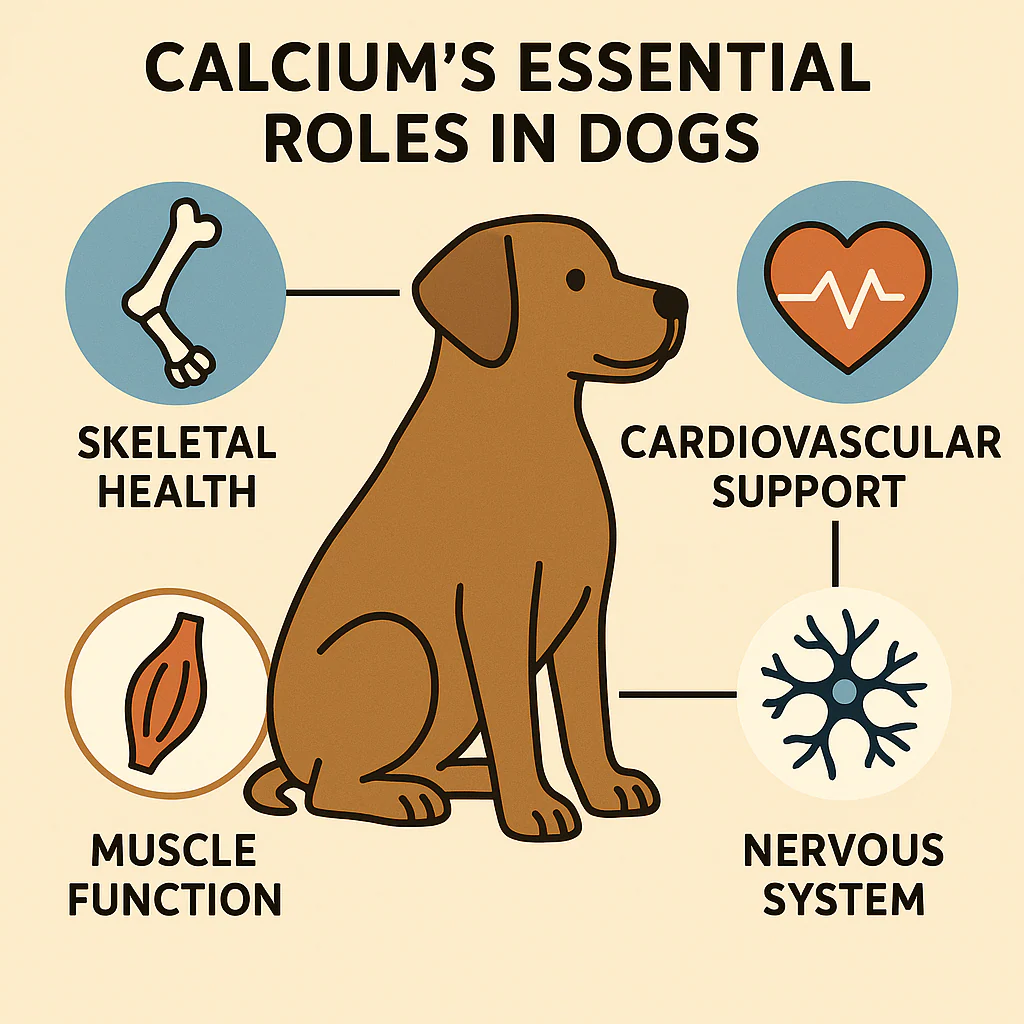
First, it’s necessary to understand the role of calcium in a dog’s body. Calcium is an essential mineral that helps form and maintain strong bones and teeth. In addition, calcium participates in muscle contraction, nerve transmission, and supports cardiovascular function. Therefore, when there is a calcium deficiency, the dog’s body will be affected comprehensively, not just the skeletal system.
One of the most easily recognizable signs of calcium deficiency is that the dog shows signs of weak legs, unsteady gait, or trembling. In puppies, this condition can manifest as slow growth, soft bones, bowed legs, or skeletal deformities. In more severe cases, dogs may experience seizures, especially in mother dogs after giving birth due to significant calcium loss during nursing.
In addition, you should also pay attention to your dog’s dental health. Dogs deficient in calcium often have weak, brittle teeth, poor enamel, and may lose teeth prematurely. Furthermore, their coat may become dry and dull – a sign of overall nutritional deficiencies, including calcium.
An important note is that excessive calcium supplementation isn’t always beneficial. Calcium supplementation needs to be done in the correct dosage and according to the dog’s stage of development. Over-supplementation can lead to problems such as kidney stones, malabsorption, or mineral imbalances. Therefore, it’s best to consult a veterinarian before giving your dog any calcium supplements.
Diet plays a crucial role in preventing and treating calcium deficiency. You should provide your dog with a nutritious and balanced diet of protein, fat, vitamins, and minerals. Foods rich in calcium include bone broth, small fish eaten whole with bones, eggs, dog-specific milk, or high-quality commercial dog food fortified with minerals.
In addition, vitamin D is also very important for the body to absorb calcium effectively. If your dog is deficient in vitamin D, even with plenty of calcium supplementation, absorption will be difficult. Therefore, you should expose your dog to sunlight in the early morning or late afternoon to support natural vitamin D synthesis.
During the care of a dog with calcium deficiency, you need to closely monitor your pet’s symptoms. If you notice signs of seizures, weakness, paralysis, or inability to walk, take your dog to a veterinary clinic immediately for prompt treatment. These cases may require direct calcium injections or specialized treatment.
For pregnant or lactating mother dogs, calcium requirements are higher than normal. You need to pay special attention to proper nutrition during this period to avoid postpartum calcium deficiency – a dangerous condition that can threaten the mother dog’s life.
Finally, prevention is always better than cure. You should establish a scientific nutritional plan from the beginning, choosing food appropriate for the dog’s age and breed. Regular health checkups are also essential to detect any abnormalities early.
In short, calcium deficiency in dogs should not be taken lightly. Early detection, proper supplementation, and appropriate care will help your pet develop healthily and avoid many dangerous complications. If you have any doubts, do not hesitate to consult a veterinarian to ensure your dog’s safety.