Important Considerations When Raising Samoyed Dogs
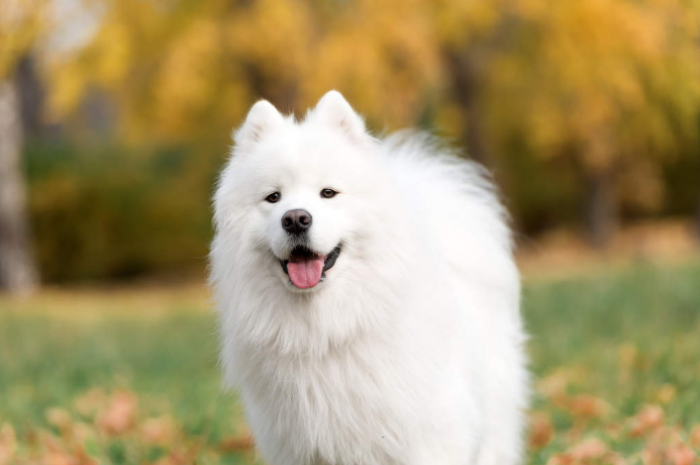
Raising a Samoyed can be a wonderful and rewarding experience. Known for their beautiful white coats, friendly personalities, and famous “Samoyed smile,” these dogs are loved by families around the world. However, caring for a Samoyed requires time, patience, and a good understanding of the breed’s unique needs.
Samoyeds are intelligent, energetic, and highly social dogs. Their thick double coats require regular grooming, while their active nature means they need plenty of exercise and mental stimulation. Before bringing one home, it is important to understand the responsibilities involved in raising Samoyed dogs.
This guide covers the most important considerations when raising a Samoyed, from nutrition and grooming to training, exercise, and health care.
Understand the Samoyed Breed Before Bringing One Home
Before raising a Samoyed, it is important to understand the breed’s personality and natural characteristics.
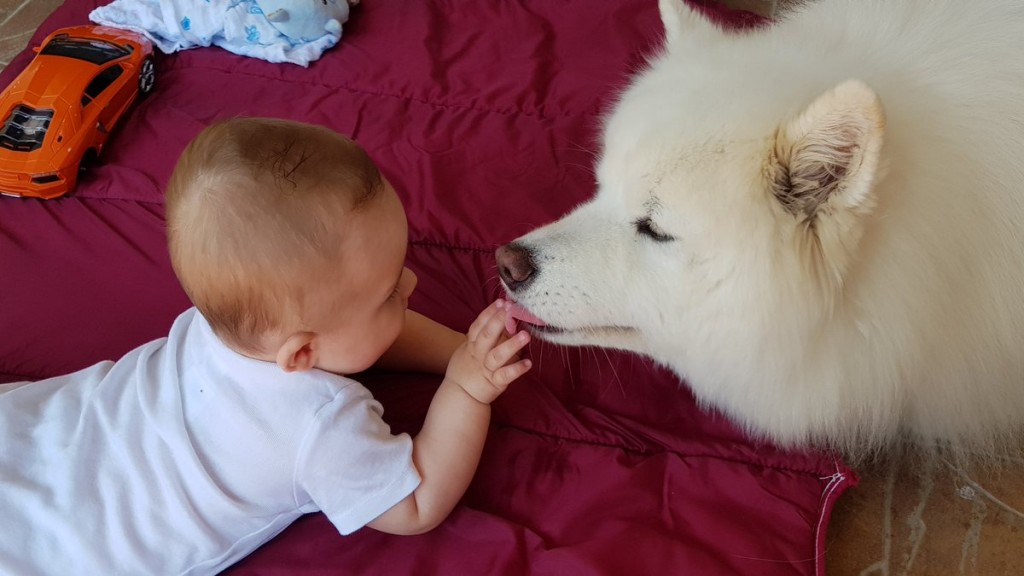
Samoyeds were originally bred to live and work in cold climates. They are known for being strong, energetic, intelligent, and highly social. Unlike some independent dog breeds, Samoyeds often enjoy spending time with their families and may not do well when left alone for long periods.
A Samoyed can become bored, anxious, or destructive if it does not receive enough attention and activity. This breed is generally best suited for owners who have enough time for daily exercise, training, grooming, and interaction.
When considering Samoyed care, remember that this is not a low-maintenance breed. Their beautiful appearance comes with significant responsibilities.
Provide a Balanced and Nutritious Diet
Good nutrition is one of the foundations of raising a healthy Samoyed. Your dog’s diet should provide an appropriate balance of protein, fats, carbohydrates, vitamins, and minerals.
The right amount of food depends on several factors, including:
-
Age
-
Body weight
-
Activity level
-
Overall health
-
Daily exercise
Samoyed puppies have different nutritional needs from adult dogs. Puppies need a balanced diet that supports healthy growth and development, while adult Samoyeds need enough energy to maintain their active lifestyle without becoming overweight.
Avoid overfeeding, especially when your dog receives plenty of treats during training. Excess weight can place additional stress on the joints and may contribute to other health problems.
Always provide clean, fresh water throughout the day. If you are unsure which diet is appropriate for your dog, consult a veterinarian for personalized advice.
Grooming and Coat Care Are Essential
One of the most important aspects of Samoyed care is grooming. Samoyeds have a thick double coat designed to protect them in cold weather.
Their coat consists of a soft, dense undercoat and a longer outer coat. Regular brushing helps remove loose hair, reduce tangles, and keep the coat clean and healthy.
For most Samoyeds, brushing several times per week is a good routine. During shedding seasons, daily brushing may be necessary because these dogs can lose large amounts of undercoat.
Proper Samoyed grooming can also help you check for:
-
Skin irritation
-
Mats and tangles
-
Fleas or ticks
-
Unusual lumps or bumps
-
Areas of excessive hair loss
Use grooming tools designed for double-coated dogs and brush gently to avoid damaging the skin.
How Often Should You Bathe a Samoyed?
Samoyeds do not necessarily need frequent baths. Bathing too often may remove natural oils from the skin and coat.
Instead, bathe your dog when necessary, such as when the coat becomes noticeably dirty or develops an unpleasant smell. Use a gentle dog shampoo and make sure to rinse thoroughly.
One important part of bathing a Samoyed is drying the coat completely. Because the undercoat is thick, moisture can remain trapped if the dog is not properly dried.
Regular brushing between baths can help keep the coat looking clean and reduce the need for frequent washing.
Give Your Samoyed Enough Daily Exercise
Samoyeds are active dogs that need regular physical activity. A simple walk around the neighborhood may not always be enough.
Daily exercise can include:
-
Walking
-
Running in a safe area
-
Playing fetch
-
Hiking
-
Interactive games
-
Dog sports
-
Training activities
The amount of exercise needed depends on your dog’s age, health, and individual energy level. Young and healthy Samoyeds may need more activity than senior dogs.
Mental exercise is equally important. Puzzle toys, obedience training, scent games, and learning new commands can help keep your Samoyed mentally stimulated.
A bored Samoyed may develop unwanted behaviors such as excessive barking, digging, chewing, or attempting to escape.
Start Training and Socialization Early
Training should begin as early as possible. Samoyeds are intelligent, but they can sometimes be independent and stubborn. Consistent and positive training can help establish good behavior.
Use rewards such as praise, toys, or appropriate treats when your dog responds correctly. Avoid harsh punishment, which can damage trust and make training more difficult.
Important commands may include:
-
Sit
-
Stay
-
Come
-
Down
-
Leave it
-
Heel
Early socialization is also essential for Samoyed puppies. Introduce them gradually to different people, environments, sounds, and friendly animals.
Positive experiences during early development can help your dog become more confident and well-adjusted.
Protect Your Samoyed From Hot Weather
Because of their thick double coats, Samoyeds may struggle in hot and humid weather.
When temperatures are high, provide a cool and well-ventilated place for your dog to rest. Make sure plenty of fresh water is always available.
Avoid intense exercise during the hottest parts of the day. Early mornings and cooler evenings are generally better times for walks and outdoor activities.
Watch for signs that your dog may be overheating, including excessive panting, weakness, restlessness, or unusual behavior. If you suspect overheating, move your dog to a cooler environment and seek veterinary advice if symptoms are serious.
Never shave a Samoyed’s double coat simply because of hot weather unless a veterinarian recommends it for a specific medical reason. Proper grooming and coat maintenance are generally more appropriate than removing the coat.
Watch for Common Samoyed Health Problems
Regular health care is another important part of raising Samoyed dogs. While many Samoyeds live healthy lives, owners should be aware of potential health concerns.
Pay attention to changes in:
-
Appetite
-
Energy level
-
Body weight
-
Walking or movement
-
Skin and coat condition
-
Eyes
-
Urination
-
Behavior
Regular veterinary checkups can help identify potential problems early.
Keep vaccinations, parasite prevention, and other routine veterinary care up to date according to your veterinarian’s recommendations.
If your Samoyed suddenly shows unusual symptoms or behavior, do not ignore the changes. Early veterinary attention can often make a significant difference.
Take Care of Teeth, Ears, and Nails
Samoyed grooming involves more than brushing the coat.
Dental care is important for helping maintain healthy teeth and gums. Regular tooth brushing with dog-safe toothpaste can help reduce plaque buildup.
Check the ears regularly for dirt, odor, redness, or other signs of irritation. Only clean them using appropriate products and methods.
Nails should also be checked and trimmed when necessary. Overgrown nails can cause discomfort and may affect the way your dog walks.
Creating a regular grooming routine from an early age can help your Samoyed become comfortable with being handled.
Create a Safe and Comfortable Living Environment
Samoyeds are social dogs and generally enjoy being close to their families. They need a safe environment with enough space to move, play, and rest.
Provide your dog with:
-
A comfortable sleeping area
-
Fresh drinking water
-
Safe toys
-
Regular exercise opportunities
-
Protection from extreme heat
-
Daily interaction with family members
Because Samoyeds can be curious and energetic, make sure your home and outdoor areas are secure. Check fences regularly and avoid leaving your dog unattended in an unsafe environment.
Build a Consistent Daily Routine
A consistent routine can make Samoyed care easier for both you and your dog.
Try to establish regular times for meals, walks, training, play, and rest. A predictable routine can help your dog understand what to expect each day.
For example, a healthy daily routine might include morning exercise, meals at scheduled times, short training sessions, interactive play, grooming when needed, and enough time to rest.
Consistency is especially important when training a Samoyed puppy.
Final Thoughts on Raising Samoyed Dogs
Raising a Samoyed requires commitment, but the rewards can be incredible. These beautiful, affectionate, and energetic dogs can become wonderful companions when their physical and emotional needs are properly met.
The most important considerations when raising Samoyed dogs include providing balanced nutrition, regular grooming, enough daily exercise, early training, socialization, and consistent health care.
Remember that Samoyed care is a long-term responsibility. Before bringing one home, make sure you have the time and resources needed to care for this active and high-maintenance breed.
With patience, consistency, and proper care, your Samoyed can enjoy a healthy, happy, and active life as a beloved member of your family.