Common Diseases in Pug Dogs: Symptoms & Care Guide
Pugs are small, affectionate dogs known for their wrinkled faces, short noses, large eyes, and playful personalities. Their friendly nature makes them popular family companions. However, their unique body structure also makes them more susceptible to certain health problems.
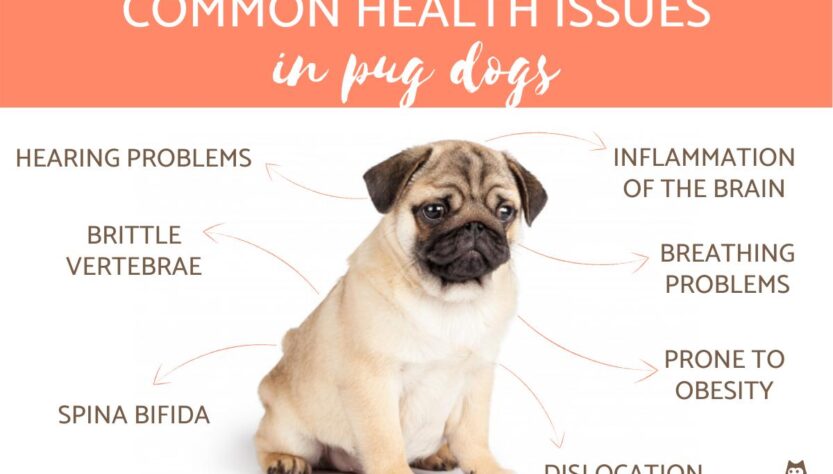
Understanding the common diseases in Pug dogs can help owners recognize warning signs early and provide appropriate care. From breathing difficulties and skin problems to eye conditions and obesity, Pugs require regular attention to maintain good health.
In this guide, we will discuss the most common Pug health problems, the symptoms to watch for, and practical ways to keep your Pug healthy and comfortable.

Why Are Pugs Prone to Health Problems?
Pugs belong to a group of dogs known as brachycephalic breeds. They have short skulls and flattened faces, which can affect their breathing and other aspects of their health.
Their facial wrinkles can also trap moisture, dirt, and bacteria, increasing the risk of skin irritation and infections.
In addition, Pugs can gain weight easily and may be less tolerant of heat compared with some other breeds.
This does not mean every Pug will develop these conditions. However, understanding potential risks can help owners provide better preventive care.

1. Breathing Problems
Breathing problems are among the most important Pug health issues to understand.
Because of their short noses and compact airways, some Pugs can experience a condition known as brachycephalic obstructive airway syndrome, or BOAS.
Symptoms to Watch For
Possible signs include:
-
Noisy breathing
-
Excessive snoring
-
Difficulty breathing during exercise
-
Heavy panting
-
Reduced exercise tolerance
-
Breathing difficulties in hot weather
If your Pug struggles to breathe, becomes weak, collapses, or shows signs of severe respiratory distress, seek veterinary care immediately.
Avoid strenuous exercise during hot or humid weather, as Pugs can have difficulty cooling themselves through panting.
2. Skin Problems and Allergies
Skin problems are another common concern in Pugs.
Their facial and body folds can retain moisture and debris. If these areas are not cleaned and dried properly, irritation and infection may occur.
Pugs may also experience allergies that cause itching, redness, or recurrent skin problems.
Signs of Skin Problems
Watch for:
-
Red or irritated skin
-
Excessive scratching
-
Hair loss
-
Unpleasant odor
-
Frequent licking
-
Moist or inflamed skin folds
Regularly checking and gently cleaning skin folds can help maintain healthy skin. If your Pug develops persistent itching or inflammation, a veterinarian can help identify the underlying cause.
3. Eye Problems
Pugs have large, prominent eyes, which can make them more vulnerable to certain eye injuries and conditions.
Potential Pug eye problems include corneal injuries, dry eye, ulcers, and other eye disorders.
Warning Signs
Contact your veterinarian if you notice:
-
Redness
-
Excessive tearing
-
Squinting
-
Cloudiness
-
Swelling
-
Eye discharge
-
Frequent rubbing of the face
Eye problems should not be ignored because some conditions can worsen quickly and may affect vision.
4. Ear Infections
Pugs can develop ear infections, particularly if their ears remain warm and moist.
An ear infection may cause discomfort and lead to behaviors such as frequent scratching or head shaking.
Common Symptoms
Look for:
-
Head shaking
-
Scratching the ears
-
Redness
-
Unusual odor
-
Dark or excessive ear discharge
-
Sensitivity when the ears are touched
Keep your Pug’s ears clean and dry, but avoid inserting objects deep into the ear canal. If an infection is suspected, veterinary examination is recommended.
5. Dental Problems
Dental disease is common in many small dog breeds, including Pugs.
Because Pugs have relatively small mouths and crowded teeth, plaque and tartar can build up easily.
Poor dental hygiene can contribute to bad breath, gum inflammation, pain, and more serious dental disease.
How to Protect Your Pug’s Teeth
A good dental routine may include:
-
Regular tooth brushing with dog-safe toothpaste
-
Dental products recommended for dogs
-
Regular veterinary dental examinations
-
Monitoring for changes in eating habits or mouth odor
Starting dental care when your Pug is young can make the routine much easier to maintain.
6. Obesity
Obesity is one of the most important health problems to prevent in Pugs.
Pugs often enjoy food and treats, while their relatively small bodies mean that excess calories can quickly lead to weight gain.
Being overweight can place additional stress on the joints and may make breathing and exercise more difficult.
Tips for Maintaining a Healthy Weight
To help your Pug stay fit:
-
Measure daily food portions
-
Limit unnecessary treats
-
Choose an appropriate diet
-
Provide regular exercise
-
Monitor body weight regularly
If you are unsure whether your Pug is at a healthy weight, ask your veterinarian for an assessment.
7. Joint and Mobility Problems
Pugs can experience orthopedic problems that affect movement and comfort.
Joint issues may become more noticeable as a dog ages or if the dog is overweight.
Watch for signs such as:
-
Limping
-
Reluctance to climb stairs
-
Difficulty getting up
-
Reduced activity
-
Stiffness after resting
Maintaining an appropriate body weight and providing suitable exercise can support joint health.
8. Patellar Luxation
Patellar luxation occurs when the kneecap moves out of its normal position.
It can range from mild cases with occasional symptoms to more serious problems that affect walking.
A Pug with patellar luxation may occasionally skip, hop, or briefly hold one hind leg up while walking.
If you notice unusual movement or repeated episodes of limping, schedule a veterinary examination.
9. Pug Dog Encephalitis
Pug dog encephalitis, also known as necrotizing meningoencephalitis, is a serious neurological condition associated particularly with Pugs.
Possible signs can include:
-
Seizures
-
Changes in behavior
-
Difficulty walking
-
Loss of coordination
-
Weakness
Neurological symptoms require prompt veterinary attention. Early evaluation is important whenever a Pug develops unexplained seizures or sudden changes in neurological function.
10. Heat Stress and Overheating
Heat sensitivity is a particularly important consideration for Pug owners.
Their short facial structure can make it harder to cool themselves efficiently through panting. Hot and humid conditions can therefore be dangerous.
During warm weather:
-
Exercise during cooler parts of the day
-
Keep fresh water available
-
Provide shade and ventilation
-
Avoid intense physical activity
-
Never leave your Pug in a parked car
Watch closely for excessive panting, weakness, confusion, vomiting, collapse, or other signs of heat-related illness.
If your Pug appears severely overheated, seek emergency veterinary care.
Signs Your Pug May Be Sick
Knowing your dog’s normal behavior makes it easier to recognize changes.
Some warning signs that may require veterinary attention include:
-
Sudden loss of appetite
-
Persistent vomiting or diarrhea
-
Difficulty breathing
-
Severe or unusual coughing
-
Sudden weakness
-
Repeated seizures
-
Significant eye changes
-
Persistent itching or skin inflammation
-
Difficulty walking
-
Unusual changes in behavior
When symptoms are severe, sudden, or getting worse, do not rely solely on home treatment. Contact a veterinarian for professional advice.
How to Keep Your Pug Healthy
Preventive care is one of the best ways to reduce health risks.
A healthy Pug should receive:
A Balanced Diet
Provide an appropriate, nutritionally balanced diet and avoid excessive treats.
Regular Exercise
Short, moderate exercise sessions can help maintain fitness without placing excessive strain on your Pug, especially in warm weather.
Consistent Grooming
Brush the coat regularly and pay special attention to skin folds, ears, nails, and other areas that may require routine care.
Dental Hygiene
Regular tooth brushing can help reduce plaque and support better oral health.
Veterinary Checkups
Routine veterinary examinations allow potential health problems to be identified earlier and provide an opportunity to discuss vaccinations, parasite prevention, nutrition, and weight management.
When Should You Take Your Pug to the Vet?
Some symptoms should receive immediate attention, particularly severe breathing difficulty, collapse, seizures, serious eye injuries, or signs of heat-related illness.
For less urgent concerns, such as persistent itching, bad breath, recurring ear problems, or gradual changes in mobility, arrange a veterinary appointment rather than allowing the problem to continue.
Early veterinary evaluation can make a significant difference in managing many Pug health problems.
Final Thoughts
Understanding the common diseases in Pug dogs is an important part of responsible pet ownership. Pugs can be loving, playful, and wonderful family companions, but their distinctive anatomy means they need attentive care.
Breathing problems, skin conditions, eye disorders, dental disease, obesity, joint problems, and heat sensitivity are among the health concerns owners should understand.
With a balanced diet, appropriate exercise, regular grooming, good dental care, weight management, and routine veterinary checkups, you can help your Pug stay comfortable and enjoy a healthier life.
Most importantly, learn your dog’s normal habits and pay attention to changes. When something seems unusual or concerning, consulting a veterinarian is always the safest choice.