Your pet’s health depends on more than just having enough food every day. A balanced diet provides essential nutrients that support growth, energy, immune function, healthy skin, and strong bones. Among these nutrients, vitamins play an important role.
But does every dog or cat need vitamin supplements? Not necessarily.
Healthy pets that eat a complete and balanced diet will usually receive the vitamins they need from their food. However, certain pets may require additional nutritional support because of age, health conditions, dietary restrictions, or specific nutritional deficiencies.
In this guide, we will explain the importance of vitamins for pets, the main types of vitamins, their benefits, natural food sources, and what pet owners should know before using supplements.
Why Are Vitamins Important for Pets?
Vitamins are organic nutrients that pets need in relatively small amounts to support normal body functions.
Although pets do not need large quantities of vitamins, insufficient intake can affect different systems throughout the body.
Vitamins can help support:
-
Normal growth and development
-
Immune system function
-
Healthy skin and coat
-
Bone and muscle health
-
Vision
-
Energy metabolism
-
Nervous system function
-
Normal cell function
-
Reproductive health
However, more vitamins are not always better. Some vitamins can accumulate in the body when consumed in excessive amounts, which may cause health problems.
For this reason, vitamin supplementation should be based on your pet’s individual nutritional needs.
Essential Vitamins for Dogs and Cats
Dogs and cats need several different vitamins to maintain normal health. Their nutritional requirements are not identical, so supplements designed for one species should not automatically be given to another.
Vitamin A
Vitamin A supports normal vision, skin, immune function, and growth.
It can be obtained from appropriately formulated pet foods and certain animal-based ingredients.
Cats have particularly specific requirements for vitamin A because they cannot convert beta-carotene into vitamin A as efficiently as many other animals.
B Vitamins
The B-vitamin group includes several vitamins involved in energy metabolism and normal nervous system function.
B vitamins include:
-
Thiamine (B1)
-
Riboflavin (B2)
-
Niacin (B3)
-
Pantothenic acid (B5)
-
Pyridoxine (B6)
-
Biotin (B7)
-
Folate (B9)
-
Cobalamin (B12)
A balanced commercial pet diet is generally formulated to provide appropriate amounts of these nutrients.
Vitamin C
Dogs can normally produce vitamin C in their bodies, so it is not usually considered an essential dietary vitamin for healthy dogs.
Cats can also synthesize vitamin C.
Therefore, routine vitamin C supplementation is generally unnecessary for healthy pets unless a veterinarian recommends it for a specific reason.
Vitamin D
Vitamin D is important for calcium and phosphorus metabolism and supports normal bone health.
However, excessive vitamin D can be dangerous. Pet owners should never assume that giving more vitamin D will automatically improve bone health.
Vitamin E
Vitamin E acts as an antioxidant and contributes to normal immune function and cellular health.
It is also commonly included in complete and balanced pet diets.
Vitamin K
Vitamin K plays an important role in normal blood clotting.
Healthy pets generally obtain sufficient vitamin K through their diet and normal metabolism.
Benefits of Vitamins for Pets
When provided at appropriate levels, vitamins contribute to many aspects of pet health.
1. Supports Immune Health
Certain vitamins and other nutrients contribute to normal immune system function.
A nutritious diet containing adequate vitamins can help support your pet’s natural defenses.
2. Promotes Healthy Skin and Coat
Nutrition has an important relationship with skin and coat health.
Adequate levels of nutrients such as vitamins A, E, and certain B vitamins can contribute to maintaining normal skin and coat condition.
However, excessive shedding, itching, hair loss, or skin changes should not automatically be treated with vitamin supplements. These symptoms can have many possible causes.
3. Supports Strong Bones
Vitamin D works together with calcium and phosphorus to support normal bone metabolism.
For puppies and kittens, proper nutrition is especially important during growth.
Adding calcium or vitamin supplements without professional advice can sometimes disrupt nutritional balance.
4. Supports Vision
Vitamin A is important for normal vision and eye health.
A complete diet should provide the amount needed by your pet.
5. Supports Energy Metabolism
Several B vitamins help the body use nutrients from food and support normal energy metabolism.
A balanced diet is therefore essential for maintaining appropriate vitamin intake.
Natural Sources of Vitamins for Pets
The best source of vitamins for most pets is a complete and balanced diet formulated for their species and life stage.
Depending on the diet, vitamins may come from ingredients such as:
-
Meat and animal-based ingredients
-
Fish
-
Eggs
-
Organ meats in appropriate amounts
-
Vegetables
-
Fruits used appropriately
-
Fortified commercial pet food
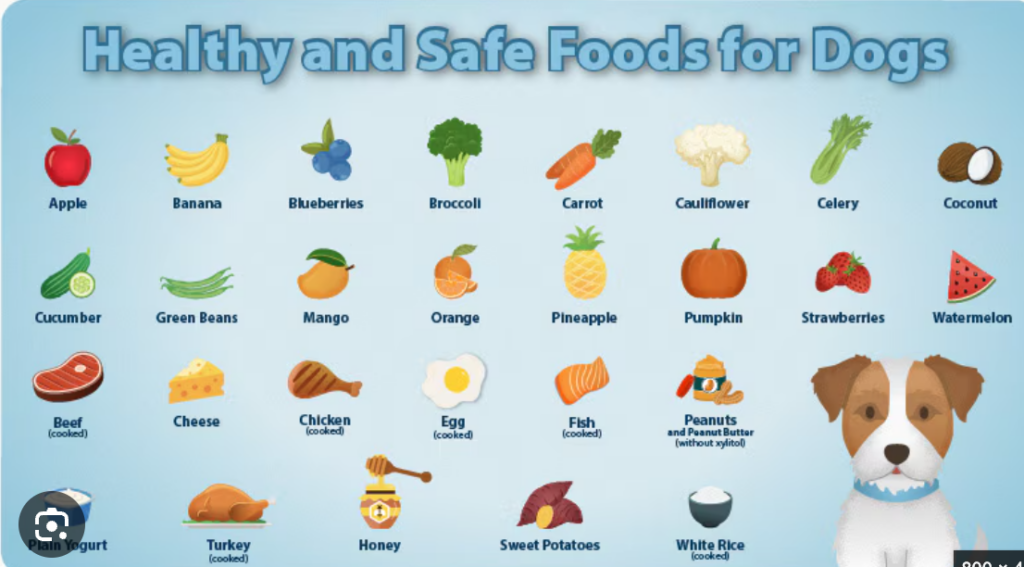
However, not every human food is safe for dogs and cats.
Some foods that people commonly eat can be harmful to pets. Always check whether an ingredient is safe before adding it to your pet’s diet.
Do All Pets Need Vitamin Supplements?
This is one of the most important questions about vitamins for pets.
The answer is no.
A healthy dog or cat eating a complete and balanced commercial diet generally does not need additional vitamin supplements simply because vitamins are considered beneficial.
Supplementation may be considered when there is a specific nutritional need, such as:
-
A confirmed nutritional deficiency
-
A veterinarian-recommended therapeutic diet
-
Certain medical conditions
-
A restricted or homemade diet that requires nutritional balancing
-
Specific life-stage or health-related needs
If you prepare homemade food for your pet, it is especially important to work with a veterinarian or qualified veterinary nutrition professional to ensure the diet is nutritionally complete.
Signs Your Pet May Have a Nutritional Problem
Vitamin deficiencies can cause different symptoms depending on the nutrient involved.
Possible warning signs include:
-
Poor growth
-
Weakness
-
Changes in skin or coat
-
Reduced appetite
-
Weight changes
-
Poor muscle condition
-
Changes in vision
-
Digestive problems
-
Reduced energy
However, these symptoms are not specific to vitamin deficiency.
For example, poor appetite or hair loss can have many causes, including illness, parasites, allergies, dental problems, stress, or other nutritional issues.
Do not diagnose a vitamin deficiency based on symptoms alone.
If your pet develops persistent or unusual symptoms, a veterinary examination is the safest approach.
How to Choose the Right Pet Vitamins
If your veterinarian recommends a supplement, choose a product carefully.
Look for:
Species-Specific Formulation
Choose products specifically formulated for dogs or cats.
Appropriate Dosage
Follow the recommended dosage rather than assuming that a larger amount will provide greater benefits.
Clear Ingredients
Choose products that clearly list their ingredients and nutritional content.
Reputable Manufacturers
Purchase supplements from reputable manufacturers and reliable sellers.
Veterinary Guidance
If your pet has a medical condition, takes medication, is pregnant, is very young, or is elderly, ask your veterinarian before introducing supplements.
Can Too Many Vitamins Be Harmful?
Yes.
Some vitamins are fat-soluble, including vitamins A, D, E, and K. These vitamins can be stored in the body, meaning excessive intake can potentially lead to toxicity.
Water-soluble vitamins can also cause problems when consumed inappropriately, depending on the specific nutrient and dose.
This is why vitamin supplements should not be treated like ordinary treats.
Never combine several supplements without checking their ingredients. Different products may contain overlapping nutrients, increasing the total amount your pet receives.
Vitamins for Puppies, Kittens, and Senior Pets
Different life stages have different nutritional requirements.
Puppies and Kittens
Growing animals need carefully balanced nutrition to support healthy development.
Avoid giving calcium, vitamin D, or other supplements simply because your puppy or kitten is growing unless a veterinarian recommends them.
Too much supplementation can interfere with nutritional balance.
Adult Pets
Healthy adult dogs and cats generally benefit most from a complete and balanced diet appropriate for their species and lifestyle.
Senior Pets
Older pets may have different nutritional needs because of changes in metabolism, activity, dental health, or underlying medical conditions.
A veterinarian can help determine whether a senior pet would benefit from dietary adjustments or specific supplements.
Vitamins and a Healthy Pet Diet
Vitamins are only one part of good nutrition.
Your pet also needs an appropriate balance of:
-
Protein
-
Fat
-
Carbohydrates
-
Essential fatty acids
-
Minerals
-
Water
-
Vitamins
Giving a vitamin supplement cannot compensate for an otherwise poorly balanced diet.
For this reason, focus first on providing a nutritionally complete diet suitable for your pet’s species, age, size, and health status.
Frequently Asked Questions About Vitamins for Pets
Should I give my dog vitamins every day?
Not necessarily. Healthy dogs eating a complete and balanced diet usually do not need additional vitamins unless there is a specific nutritional reason or veterinary recommendation.
Do cats need vitamin supplements?
Healthy cats generally receive the vitamins they need from an appropriate complete and balanced cat food. Supplements should only be used when there is a clear nutritional or medical reason.
Can vitamins improve my pet’s coat?
Adequate nutrition supports healthy skin and coat, but supplements are not a universal solution for poor coat quality. Underlying health problems should be considered if your pet develops persistent skin or coat changes.
Can I give human vitamins to my pet?
Do not give human vitamin supplements to your pet unless a veterinarian specifically tells you to do so. Human products may contain inappropriate doses or ingredients for animals.
Are vitamin supplements safe for puppies?
Some supplements can be appropriate in specific circumstances, but puppies require carefully balanced nutrition. Unnecessary supplementation can cause nutritional imbalances.
What is the best source of vitamins for pets?
For most healthy pets, the best foundation is a complete and balanced diet formulated for their species and life stage.
Final Thoughts
Vitamins for pets are an important part of proper nutrition, but supplementation is not automatically necessary for every dog or cat.
The goal should be to provide the right nutrients in the right amounts. A complete and balanced diet should come first, while vitamin supplements should be considered only when there is a specific nutritional or veterinary reason.
If you notice changes in your pet’s appetite, energy, skin, coat, growth, or general health, avoid treating the symptoms with supplements alone. Talk with your veterinarian to identify the underlying cause and determine whether additional nutritional support is appropriate.
Good nutrition, regular veterinary care, exercise, grooming, dental care, and a safe home environment all work together to help your pet live a healthier and happier life.