
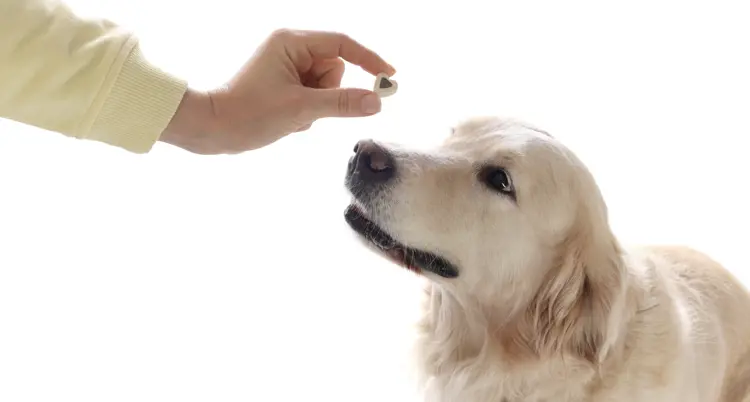
Vitamins play an extremely important role in the health and overall development of pets. Whether it’s dogs, cats, or other pets, providing sufficient vitamins helps their bodies maintain normal functions, strengthen their immune system, and prevent many dangerous diseases. Especially for popular breeds like Poodles or pet cats, the vitamin needs are even more crucial to ensure the best possible quality of life.
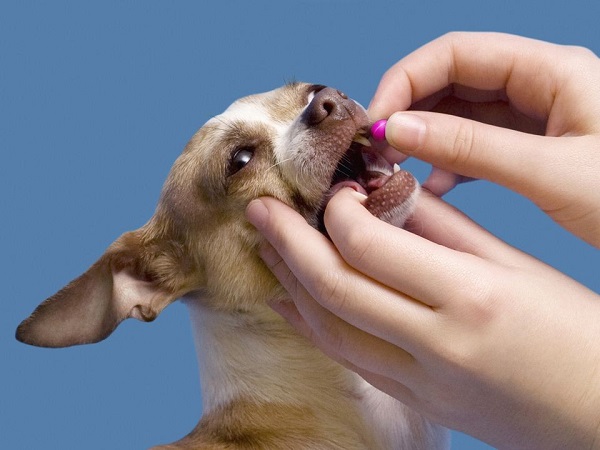
First of all, vitamins are essential organic compounds that are present in very small amounts but play a major role in regulating the body’s physiological functions. Unlike proteins, fats, or carbohydrates, vitamins don’t provide energy directly, but participate in metabolism and help the body absorb other nutrients more effectively. When pets are deficient in vitamins, their bodies will quickly show abnormal signs such as fatigue, loss of appetite, hair loss, dry skin, or even a weakened immune system.
One of the most important vitamins is vitamin A. This is an essential nutrient that helps maintain good eyesight, especially in low light conditions. In addition, vitamin A supports the development of skin and fur, helping pets have a shiny and healthy coat. A deficiency in vitamin A can lead to dry eyes, reduced vision, and increased susceptibility to skin diseases.
B vitamins also play an indispensable role. This group of vitamins includes various types such as B1, B2, B6, B12… which support the nervous system, enhance metabolism, and improve digestive function. When adequately supplied with B vitamins, pets will have better energy, a better appetite, and be more active. Conversely, a deficiency in B vitamins can cause pets to become lethargic, lose weight, and experience neurological problems.
Vitamin C is a powerful antioxidant that helps protect cells from damage caused by free radicals. Although dogs can synthesize vitamin C on their own, in some cases such as stress, illness, or changes in living environment, vitamin C supplementation is necessary. This vitamin helps boost the immune system, supports recovery, and reduces the risk of disease.
Vitamin D is also an important factor in helping the body absorb calcium and phosphorus effectively, thereby supporting bone and teeth development. For pets that are growing or pregnant, vitamin D becomes even more essential. However, supplementation must be done in the correct dosage, as excess vitamin D can cause dangerous side effects.
In addition, vitamin E plays a role in protecting cells and enhancing skin health. It is also an important antioxidant, helping to slow down the aging process and support the immune system. Vitamin K, though less frequently mentioned, is essential for blood clotting, helping the body respond promptly to wounds.
Vitamin supplementation for pets can be done through their daily diet. High-quality commercial pet food is usually already balanced with vitamins and minerals. Alternatively, you can supplement from natural foods such as vegetables, meat, fish, and eggs. However, careful research is necessary to avoid nutritional imbalances.
A common mistake many pet owners make is self-administering vitamins without veterinary guidance. This can lead to vitamin overdose, negatively impacting health. For example, excess vitamin A can cause bone deformities, while excess vitamin D can affect kidney function. Therefore, supplementation should be based on the actual needs and health condition of each pet.
Furthermore, each stage of a pet’s development has different vitamin requirements. Young pets need more vitamins for growth, while adult pets need maintenance vitamins, and older pets need anti-aging support. Therefore, pet owners need to monitor and adjust the diet accordingly at each stage.
In short, vitamins are indispensable in pet care and nutrition. Providing sufficient and proper vitamins not only keeps pets healthy but also extends their lifespan and improves their quality of life. A balanced diet, combined with proper care and attention, is the key to keeping your pet active, happy, and a long-lasting companion.